Hiroshima Summer Festivals: A Local's July Guide
Hiroshima's summer festival season is already underway in late July. A local's guide to what's on, how to watch, and when to avoid the crowds.
July in Hiroshima is the run-up to the most significant weeks on the city’s calendar. The rainy season — which usually drags into the first week or two of the month — finally lifts, temperatures climb past 33°C, and the city shifts into a kind of summer intensity that’s harder to describe than you’d expect. There are festivals, street food stalls, yukata, lanterns on the river. But there’s also something heavier in the air as August 6 approaches, and residents feel it whether or not they’re consciously thinking about it. I’ve lived here long enough that the two things — the festival energy and the quiet weight of August — feel inseparable now. This guide covers what’s actually happening in the city through late July, what’s worth showing up for, and a few things I’d skip if you’re short on time or tolerance for crowds.
The Summer Calendar Really Starts in Late July
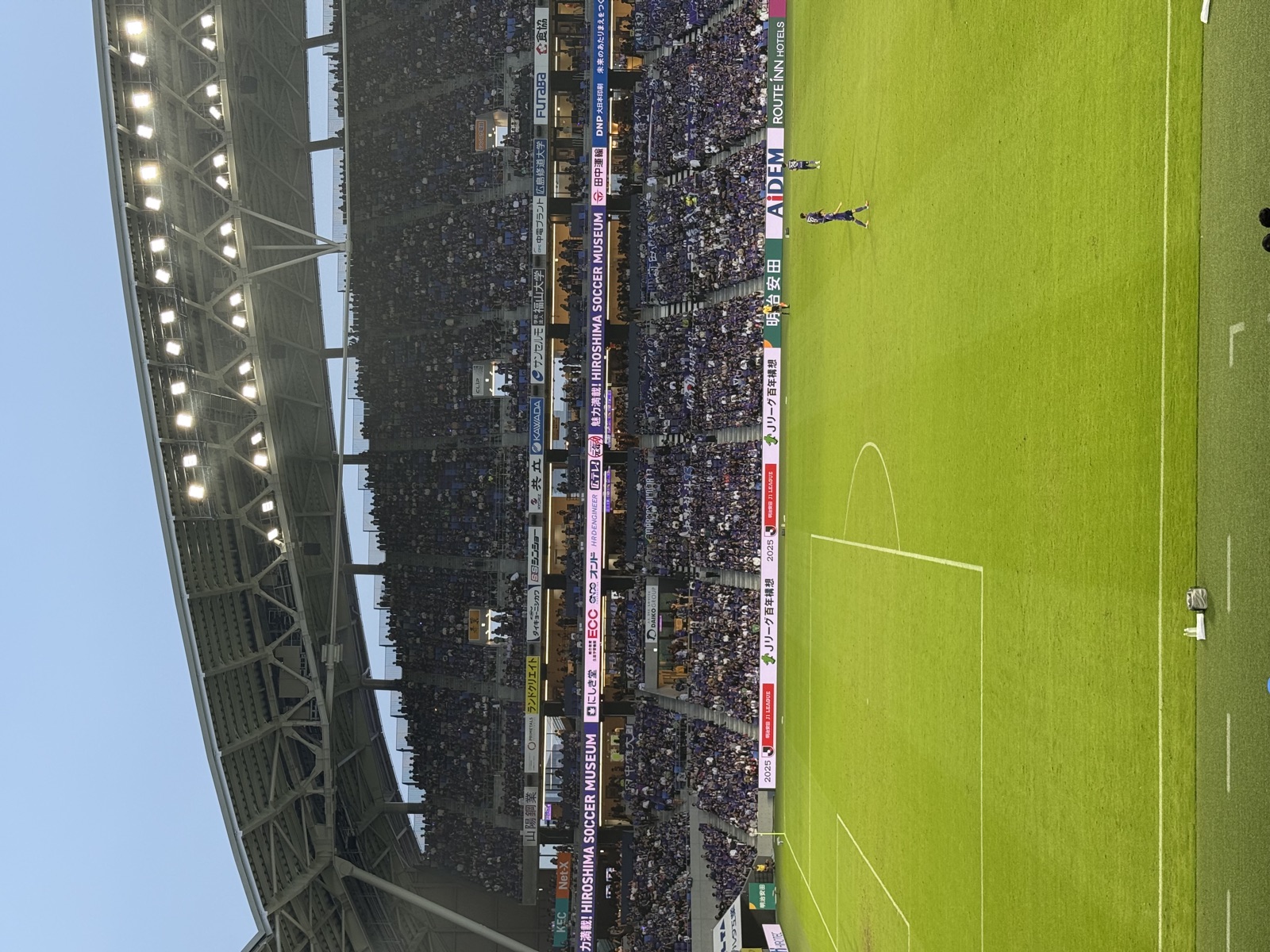
If you arrive in early July expecting peak-summer Hiroshima, you might be underwhelmed. The tail end of rainy season can push into the second week, and while temperatures are already high, the festival atmosphere hasn’t fully ignited. The second half of July is when things start moving. Street food carts appear near Hondori and along the riverbanks, the Carp’s home schedule fills Mazda Stadium most weekday evenings, and department stores run yukata fairs.
The change I notice most as a local isn’t any single event — it’s that people start staying out later. The stretch between 8 and 10 PM on a weekday, which can feel quiet in May, fills up in a way that’s genuinely different.
Tenma-ya Yukata Festival and the Summer Street Scene
I’ll be honest: Hiroshima doesn’t have the concentrated summer festival culture that cities like Kyoto or Osaka do. There’s no single event that draws international attention the way Gion Matsuri does. What it has instead is a series of smaller neighborhood festivals, shopping arcade events, and riverfront gatherings that layer on top of each other through July and into August.
The yukata culture is real though. Around late July you’ll see people in cotton kimono on weekday evenings — not just tourists, but younger locals heading to dinner or meeting friends. If you want to wear one yourself, the department stores around Hatchobori rent sets and can help you dress.
Hondori shopping arcade runs its own summer events — outdoor pop-ups, food stalls, occasional live performances. Nothing that requires a dedicated trip, but if you’re in the area in the evening, it’s livelier than usual. The Kamiyacho intersection is a good anchor point for just wandering and seeing what’s going on.
Sumidagawa? No. But the Ota River Has Its Moments
Hiroshima’s six rivers don’t get celebrated the way Tokyo’s Sumida does on fireworks night, but they matter in summer in a quieter way. The riverbanks along the Honkawa and the Kyobashi-gawa see more foot traffic in July. There are occasional informal gatherings — families with plastic sheeting and convenience store beers — and the light at around 7 PM, when the sun is still up but the heat has dropped maybe two degrees, is genuinely beautiful.
For more structured riverfront events, the area around Peace Memorial Park sees lantern-related programming as August approaches. I’d read more about the August 6 Peace Ceremony separately if that’s your focus — there’s a whole different cadence to that, and it’s not really a festival in the ordinary sense. If you want context on the ceremony and what the city feels like in the days leading up to it, the article on Hiroshima in Late July: Preparing for August 6 covers that directly.
Fireworks: When and Where
Hiroshima does have proper summer fireworks displays, and they’re worth planning around. The timing varies by year, but there are typically displays in the waterfront area and occasionally coordinated with regional events. For current-year dates and viewing spots, the Hiroshima Fireworks 2026 guide has specific information I’d trust over anything I write here about dates. Fireworks in Japan tend to sell out nearby food stalls and viewing spots fast — if you’re set on being close to the launch site, arrive at least 90 minutes early. If you don’t care that much about proximity, the elevated footbridge near Motoyasu River gives a reasonable view without the crush.
The Toukasan Afterglow and Yukata in the Neighborhoods
The big early-summer yukata event — the Toukasan festival in early June — is already past by July, but it leaves a kind of cultural residue. Yukata rentals stay busy, and the Nagarekawa and Yagenbori bar districts see more people dressed up through the end of the month. If you missed Toukasan, don’t worry — the summer yukata atmosphere persists. There’s a full guide to Hiroshima Toukasan: A Local’s Guide to the Yukata Festival if you want the background.
Heat, Humidity, and Being Realistic About It
Late July in Hiroshima is properly hot. I mean 35°C on a clear day with humidity sitting around 75–80%. The basin geography traps heat in a way that people who’ve only visited in spring aren’t prepared for. This shapes how you should think about festivals and outdoor events.
Mornings before 10 AM and evenings after 6 PM are when outdoor activity makes sense. The middle of the day — roughly 11 to 4 — is best spent indoors. Museums work well, and the Hiroshima Rainy Day: A Local’s Guide to Indoor Things to Do actually covers a lot of the same options that apply to heat days.
For clothing, the short version: linen or cotton, light colors, a small towel (a lot of locals carry one), and actual sunscreen rather than SPF-15 moisturizer. The UV index in late July regularly hits 10 or 11. A collapsible fan is genuinely useful, not a tourist prop. Most department stores and convenience stores sell them.
If you’re watching fireworks or attending any evening outdoor event, bring a mosquito repellent patch or spray. The riverbanks are bad for mosquitoes once the sun goes down.
Street Food and Beer Gardens
Summer in Hiroshima means beer gardens appear on rooftops of department stores — Sogo and Fukuya both run them, usually through the end of August. They’re not fine dining. But they’re inexpensive, casual, and the view from the Sogo rooftop over Hatchobori at dusk is actually quite good. Check Hiroshima Beer Gardens: A Local’s Early-Summer Guide for opening dates and current pricing, since those vary season to season.
On the street food side, summer festivals bring the usuals: yakitori carts, shaved ice (kakigōri), grilled corn, takoyaki. You’ll find clusters of these near Hondori on weekend evenings and around festival grounds when events are active. The kakigōri at a few spots near Hatchobori is genuinely good — condensed milk on shaved ice sounds too simple to bother with, but on a 34°C afternoon it’s hard to argue against.
A Few Places I’d Send a Friend To
Most summer evenings I end up in Otemachi or around Hatchobori. If you’re in the area after a festival or just after dinner and want to sit somewhere without noise, VUELTA is a small craft cocktail bar in Otemachi I go to regularly. Sixteen seats, quiet room, they take walk-ins. Worth booking if it’s a Saturday night.
For a different vibe — more wine than cocktails, good for dinner extension rather than a proper evening out — Metcha Monte in Ginzancho is a spot I started going to about a year ago. Closed Sundays, so plan around that. It’s small and intimate in a way that makes it easy to stay longer than you planned.
If you want food rather than drinks, MORETHAN Hiroshima in Otemachi (ground floor of THE KNOT hotel, near Chuden-mae station) is somewhere I go often for a meal that doesn’t require planning ahead. Open from lunch through late dinner. The charcoal grill does well in summer — lighter preparations than you’d expect from a hotel restaurant.
FAQ
See below.