Hiroshima Beer Gardens: A Local's Early-Summer Guide
Hiroshima's rooftop beer gardens open in late May. A local's honest take on when to go, what to expect, and where to drink properly after.
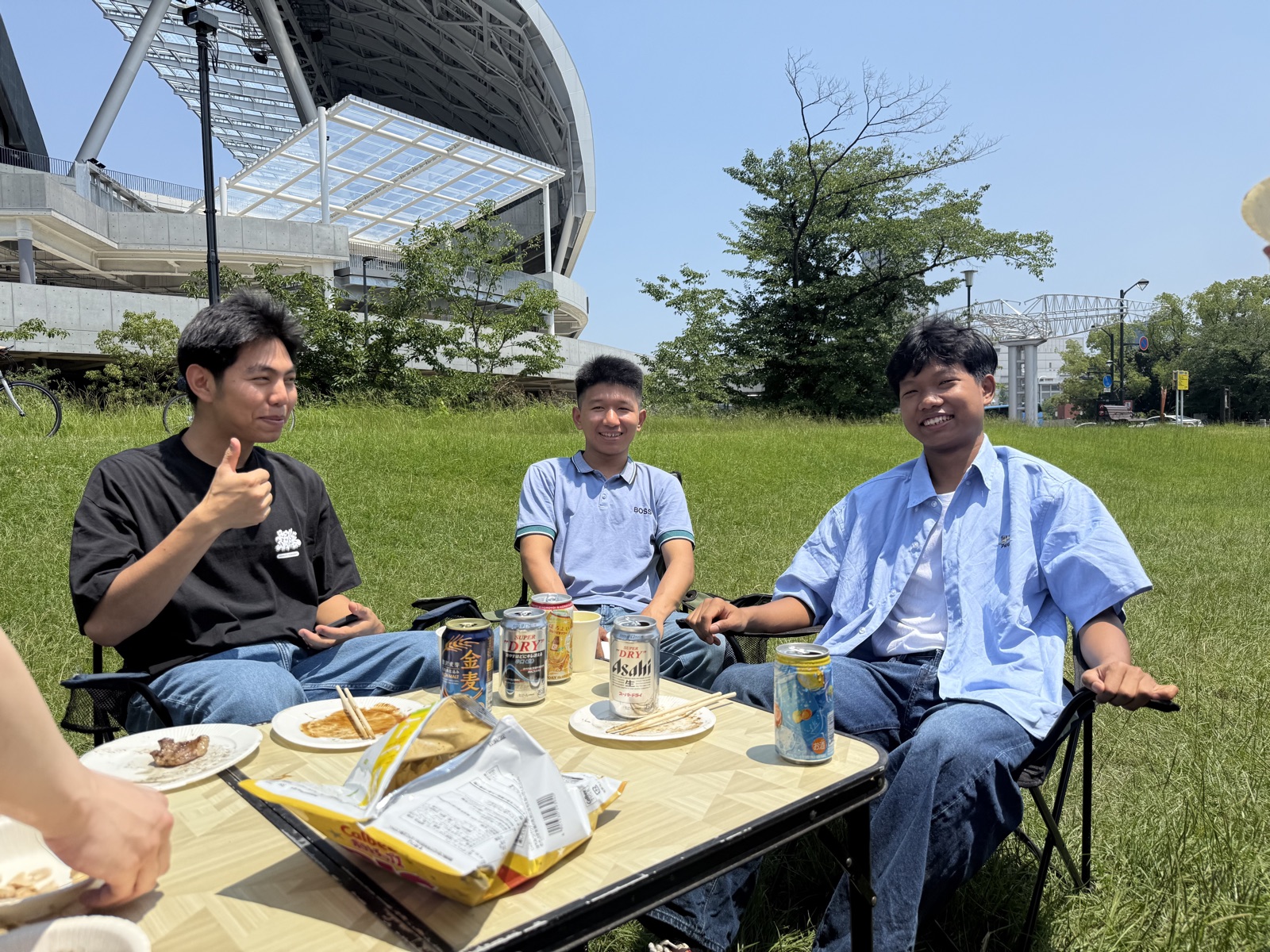
Hiroshima’s beer gardens open around the end of May and run through the summer until sometime in early or mid September. If you’ve never been to a Japanese rooftop beer garden, it’s worth doing once. Even if it’s not the most refined drinking experience in town. I’ve lived here for a while and have been to most of the central ones at least once. Some I go back to every year, others I went to and that was enough. This is what to expect, when the season actually peaks, and how to plan around the rain. It’s also a good place to point out, gently, that the rainy season eats the first half of June, so the prime weeks are right now in late May and again in late July through August. The middle stretch is hit-or-miss, which is a shame because that’s exactly when most foreign visitors are in town.
Where the Beer Gardens Actually Are
Most of Hiroshima’s beer gardens sit on the rooftops of department stores, hotels, and a few standalone buildings clustered around Hatchobori and Kamiyacho. The Sogo Hiroshima rooftop has run a beer garden for as long as I can remember, and several of the central hotels open one each summer too. The names and the lineup rotate a little year to year, as some hotels skip a season, but the concept is the same. A tarp roof, plastic patio chairs, a buffet line, a beer tap, and a view of central Hiroshima as the sky turns navy.
If you want the current year’s list, the Hiroshima visitors’ bureau usually keeps a summer event page running once gardens start to announce dates.
When the Season Really Runs
Officially, most gardens open between mid and late May and close in early September. The shoulders are the best time to go. The first two weeks of June are usually a write-off because the rainy season takes over; if you’re planning around that, the June rainy season guide covers what to expect. Late May and the first week of July, before the worst of the rain and humidity, are when I tend to make my one or two annual visits. Mid-to-late August is also fine if there’s a breeze and you can stomach the humidity.
If you’re already in town in late May, the last clear days before the rains are worth using for a rooftop evening before you lose the window.
The All-You-Can Format, Explained
Almost every Hiroshima beer garden runs the same format. A flat per-person fee covers all-you-can-drink for ninety minutes or two hours, often with an all-you-can-eat buffet bolted on. Expect [VERIFY: typical 2026 set-menu range, roughly 4,500–6,000 yen per person] for the food-and-drink set, and somewhat less for drinks only. The drinks list usually covers draft beer, a couple of highballs, a few sours and chu-hi, soft drinks, and sometimes wine. Don’t expect cocktail-bar quality. This is bulk pour, served fast, and the goal is volume and atmosphere, not precision.
The food is buffet. Yakisoba, fried chicken, salad, sometimes a small steak station, sometimes a teppanyaki corner doing okonomiyaki to order if the venue leans into the local angle. It’s filling. It’s not what you came for.
What It Actually Feels Like
The appeal isn’t the food or the drinks. It’s the rooftop, the breeze, the open sky over central Hiroshima, the group at the next table getting visibly louder around the forty-minute mark, the staff weaving between tables with empty pitchers. It’s a Japanese summer ritual more than a meal. Office groups go for end-of-fiscal-year celebrations in early June and farewell parties at the end of August. University clubs go in late July to mark the start of break. Foreign visitors I’ve taken have all left a little surprised by how plastic-chair-and-tarp the setting is, and a little charmed by the same thing.
It’s loud. Don’t go expecting conversation. The pace is fast, the beer is cold, the city is laid out below you, and that’s the whole thing.
Going as a Foreign Visitor
A few practical points. Most beer gardens take walk-ins on weeknights but want a reservation on Fridays and Saturdays. English support is hit-or-miss; the staff are friendly but the booking system is built around groups of six to ten Japanese coworkers, not a couple. If you’re going as two people, you’ll usually get a smaller table, but it’s worth calling ahead or asking your hotel concierge to book on your behalf. Some hotel-run beer gardens handle foreign guests more comfortably than the department-store rooftops, simply because they’re already set up for it downstairs.
Payment-wise, cash and IC card both work at most central venues now, but a few of the older rooftops are still cash-preferred. The cash-or-card piece goes into the broader picture. Tipping isn’t a thing here, so don’t.
When Not to Go
Don’t bother on a rainy night unless the venue has full covered seating. Some have a proper roof, some have only partial tarps, and a thunderstorm in June will end the evening fast. Check the forecast that afternoon. If it’s borderline, call ahead and ask whether they’re operating outdoor seating; many places switch indoors for a smaller capacity rather than cancel outright.
Don’t go on a Friday night in late July expecting a casual two-person visit. Office parties take over completely and the buffet line is twenty deep by 19:30. Earlier on a weekday, or a Sunday early evening, is calmer.
And honestly, don’t go for a quiet drink. There are better places for that. Which brings me to the next section.
A Few Places I’d Send a Friend To
After a rooftop beer garden, I usually want one proper drink in a quiet room before heading home. The contrast is half the reason the rooftop felt good in the first place.
For a fuller pick of post-beer-garden cocktail spots, the craft cocktail bar guide maps out the options.
If by the end of the night you’ve remembered that the beer-garden buffet wasn’t really a meal, Okkundo in Otemachi runs mazemen until late. It’s Hiroshima’s own evolution of tsukemen, on flat thick noodles, with a spice level you pick at the counter from 0 to 7. A 23:00 bowl after a beer garden is a fine way to close the summer evening.
If you want the broader bar-strip experience instead of a single quiet drink, Nagarekawa is a fifteen-minute walk and runs late.
FAQ
When do Hiroshima beer gardens open and close? Most central gardens open between mid and late May and close in early to mid September. The exact dates shift year to year by a week or two, so check the specific venue’s site or social media before going.
How much does a Hiroshima beer garden cost? All-you-can-drink-and-eat sets typically run several thousand yen per person for ninety minutes or two hours. Drinks-only is cheaper. Prices reset each season, so confirm on the venue’s current page rather than relying on last year’s number.
Do I need to book ahead? Walk-ins are usually fine on weeknights. Fridays, Saturdays, and any evening in late July or August are safer with a reservation, especially for groups of four or more.
Is English available at Hiroshima beer gardens? Hit-or-miss. Hotel-run gardens tend to handle foreign guests more comfortably than the department-store rooftops. Asking your hotel concierge to book and translate is the easy route if you don’t read Japanese menus.
What happens if it rains? It depends on whether the venue has a full roof or only partial tarps. Many have a rain-cancellation policy that kicks in if it’s actively pouring at opening time. Call the afternoon-of if the forecast looks borderline.