Is Hiroshima Worth Visiting in Summer?
Yes, but the heat is real and timing matters. A local's honest take on visiting Hiroshima in July and August, what's good and what's genuinely rough.
Yes, it’s worth it, but summer in Hiroshima is genuinely hot, and I think some travel sites undersell that. July and August here mean temperatures that regularly sit above 33°C, humidity that makes it feel closer to 38, and midday hours when walking around outside becomes an exercise in endurance rather than enjoyment. I live here, and there are days in August when I don’t leave the building between noon and five. That said, summer has real things going for it: longer evenings, fewer tour groups than cherry blossom season, the river running a little higher and cooler-looking than it really is, and a version of Miyajima that’s genuinely beautiful in the early morning before the boats start running. The question isn’t whether to come; it’s when in the day to move, what to skip, and how to make the heat work for you rather than against you.
The Heat Is Not a Joke
Hiroshima sits in a basin surrounded by mountains on three sides and the Seto Inland Sea to the south. That geography traps heat. Rainy season typically ends around mid-July, and when it does, temperatures climb fast. By late July you’re regularly looking at 34–36°C, and with humidity around 70–80%, it feels significantly worse than the number suggests.
I’m not saying this to scare anyone off. I’m saying it because I’ve watched visitors arrive dressed for Tokyo in spring and spend their first afternoon looking genuinely miserable outside the Peace Memorial Museum. If you know what you’re walking into, you can plan around it.
The rough hours are roughly 11:00 to 16:00. The mornings before ten are legitimately pleasant, even in August. Evenings from around 18:00 onward are fine, sometimes nice. Build your itinerary around those windows and summer becomes manageable.
What’s Actually Good About Summer in Hiroshima
Fewer crowds at the major sites. Golden Week and cherry blossom season bring a kind of tourist density that makes Peace Memorial Park feel like an airport. Summer, especially August outside of the 6th itself (the anniversary of the bombing), is calmer. You can stand in front of the Genbaku Dome and actually think.
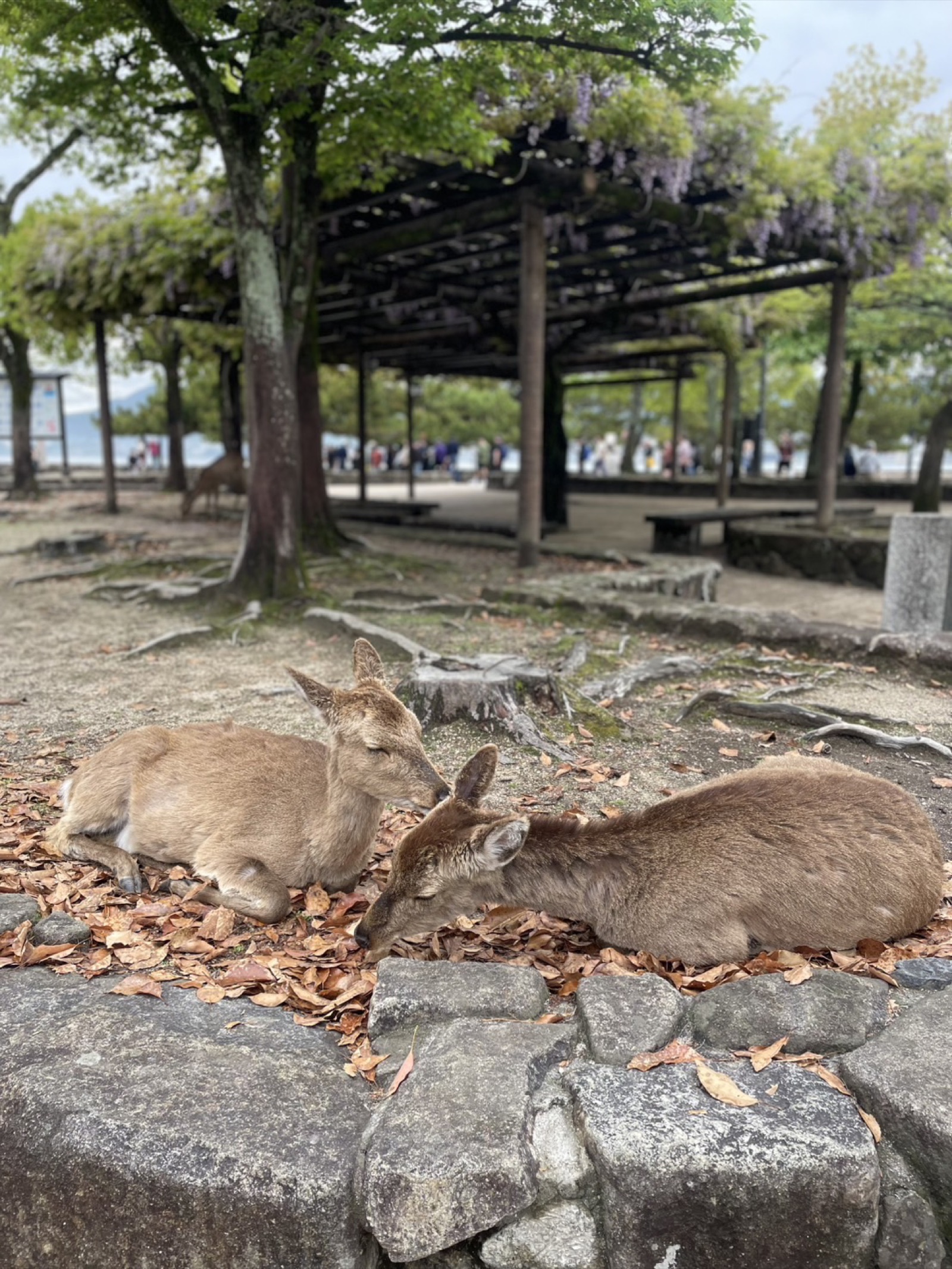
Miyajima is another one. Go on the first boat out (around 6:30 or so, though [VERIFY: current timetable]) and you’ll have maybe 30 minutes before it starts filling up. The deer are calmer, the light is genuinely beautiful, and the famous torii in the water looks the way it does in photos. By 9:00 the crowds arrive and it’s a different experience entirely. Summer mornings on Miyajima are worth an early alarm.
The food case for summer is also real. Hiroshima’s anago is available year-round, but there’s something about eating it cold over rice on a hot day that works particularly well. Cold udon is everywhere in summer and better than it sounds. Kakigori (shaved ice) has become a minor obsession in Japan and Hiroshima has a few good places, though I’d rather let you discover those on your own than give you stale information about which shop is still operating.
When You Should Maybe Reconsider
If you’re traveling with young children, peak summer is genuinely hard. Kids overheat faster, the long waiting times at ferry terminals or outdoor sites become miserable, and the relief of air conditioning only goes so far when you need to be outside to see things.
If you have a limited budget and plan to do most sightseeing on foot between noon and four, summer will grind you down. The cost of taxis and indoor breaks adds up if heat management is forced.
If heat is a health concern for you specifically, not just general discomfort but an actual medical consideration, late September or October is a dramatically better window. Hiroshima in October is one of the best travel months I’ve experienced anywhere in Japan.
If you’d rather sidestep the heat altogether, late May is another strong window: cooler evenings, and the start of hotaru (firefly) season in the valleys outside the city. Our guide to firefly viewing near Hiroshima covers when and where to go.
What Locals Actually Do in Summer
We stay inside during the middle of the day. I mean this literally: I’ll sometimes schedule nothing between 12:00 and 16:00 and use that time for errands that involve air conditioning or just staying at my desk.
River evenings are a real thing. The Ota River has embankment paths that catch whatever breeze exists, and from around 19:00 the temperature drops enough that walking becomes pleasant again. It’s not a formal activity, just what people do. Families, couples, people walking home: the riverside in summer evenings has a low-key quality that’s probably the most local thing you can do here.
Beer gardens open in late June and run through August on rooftops and hotel terraces around the city. They’re popular with locals in a way that not many tourist-facing things are. Casual, loud, good fun. I wrote more about those in the beer garden guide if that’s your thing.
August 6th: Plan Carefully
Every year on August 6th, the Peace Memorial Ceremony takes place at the park from around 8:00 in the morning. It’s a meaningful event and the city takes it seriously. The area around Peace Park fills up earlier than you’d expect, transportation is busier, and accommodations book out months in advance.
If you’re coming specifically to attend the ceremony, that’s completely understandable; it’s one of the most quietly powerful events I’ve witnessed in Japan. If you’re coming for general sightseeing and August 6th is just a date that happened to work, be aware that logistics that week require more planning than usual. Booking accommodation well in advance isn’t optional.
Practical Wrap-Up
Summer Hiroshima works if you’re willing to adapt your schedule to the heat rather than fight it. Mornings and evenings are your real windows. Midday is for sitting somewhere with strong air conditioning, eating cold noodles or shaved ice, and not pretending you’re tougher than the weather. Miyajima in early morning is genuinely worth the logistics. The crowds are lighter than you’d expect for a major destination in peak season. And if you’re here in August, check what’s happening on the 6th and plan accordingly; it’s not a day you stumble into unprepared.
For more on what to actually do once you’re here, the Hiroshima travel tips guide covers the city broadly, and the rainy season guide for June is worth reading if you’re considering the transition month instead.
FAQ
Is Hiroshima hotter than Tokyo in summer? Roughly comparable, maybe slightly hotter due to the basin geography. Both are genuinely harsh in July and August. If you’ve done Tokyo in summer and survived, Hiroshima is similar.
Is Miyajima worth visiting in summer? Yes, specifically if you take the first boat of the day. The midday heat at Miyajima is intense and the crowds compound it. Early morning is a completely different experience.
Does it rain a lot in Hiroshima in summer? Rainy season (tsuyu) typically runs through most of June into mid-July. Once it ends, July and August are mostly hot and sunny with occasional afternoon thunderstorms, not persistent rain.