Hiroshima June Evenings: The City Before Summer Hits
What Hiroshima actually feels like in June — the green light, the warm evenings, the pause before peak summer. A local's guide to early summer nights in the city.
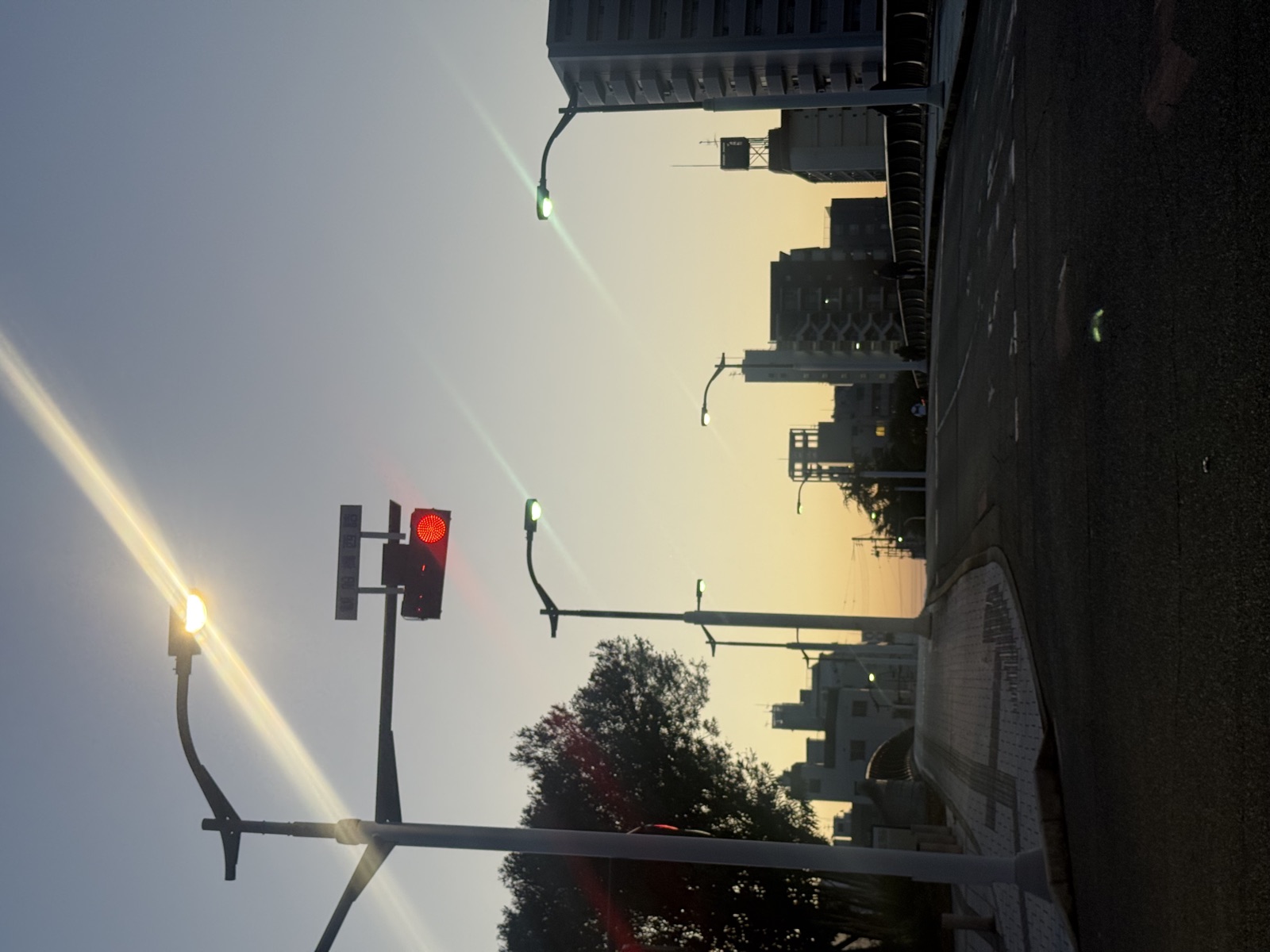
June in Hiroshima is the city holding its breath. The hydrangea have peaked and the beer gardens haven’t opened yet, and somewhere in that gap — maybe two weeks, maybe three — the city settles into a mood that’s hard to describe to someone who hasn’t been here for it. The evenings are warm enough to walk without a jacket, at least until the rain decides otherwise. The light, when it comes through the clouds in the hour before sunset, turns everything a particular shade of yellow-green that you only get in early summer. Locals move a little slower. The tram sounds different somehow, though that’s probably just the humidity carrying the sound differently along the tracks near Hatchobori. If you’re visiting Hiroshima in June and you’ve already read the weather warnings and packed accordingly, let yourself ignore the forecast some evenings. The city in this between-season is genuinely worth being present for — not despite the uncertainty, but partly because of it.
The Gap Nobody Talks About
Most travel content about Hiroshima in June focuses on what to do when it rains, as though rain is the problem that needs solving. It isn’t. The rain is part of what makes this particular stretch of the calendar feel different from every other month — quieter, greener, less crowded with people who are only here for the obvious things.
There’s a specific week, usually somewhere in the middle of June, when the ajisai (hydrangea) at Shukkeien are just past their peak and the momiji (maple) at Mitaki-dera have turned a deep, saturated green. The tourist clusters thin out. The light stays longer than you expect — Hiroshima sits far enough west that June evenings stretch to almost eight o’clock before it gets properly dark. That window, from about six to eight, is some of the best time you can spend in this city all year.
If you want to understand what the rainy season actually looks like on the ground in Hiroshima — the forecasts, the gear, the practicalities — Hiroshima in the rainy season covers all of that well. This piece is about something different: the texture of June evenings specifically, and what to do with them.
Where to Be When the Evening Clears
The Motoyasu River around dusk on a clear June evening is one of those settings that would feel almost staged if you didn’t know how reliable it is. The A-Bomb Dome sits across the water in that long golden light, and the river itself picks up the color in a way that photographs struggle to capture honestly. Walk the east bank from the Peace Memorial Museum toward Aioi Bridge around 6:30 or 7:00, and you’ll find maybe a handful of other people doing the same thing, mostly locals.
Shukkeien garden in June is worth visiting even after the ajisai peak, which the dedicated guide to Hiroshima’s hydrangea spots covers in more depth. What that guide doesn’t quite get into is how the garden feels on a weekday evening in mid-June, when the irises near the northern pond are still going and the koi look prehistoric moving through the green water. Admission is [VERIFY: current hours and evening opening schedule] — worth checking if they run late on summer weekdays.
The Ōta River delta’s smaller branches, the ones that run through Naka Ward between Kamiya-cho and Hatchobori, are genuinely pleasant to walk after rain. Not picturesque in any curated sense, but the smell of wet stone and the sound of water moving alongside tram tracks is specific to this city in a way that I find hard to get tired of. Maybe fifteen minutes at a slow pace, depending on which branch you follow.
What the City Eats in June
Early summer in Hiroshima means a few things on the food side that don’t make it into the standard seasonal guides. Octopus season runs through early summer, and the preparations at the older izakayas around Yagenbori-dori tend to shift accordingly — lighter, more vinegared, less of the winter braises. Lemon sours, which are already everywhere in Hiroshima, seem to multiply in June because the local lemon harvest from the Seto Inland Sea islands peaks in spring and the processed versions stay abundant through summer. The combination of a cold, slightly tart lemon sour and the first genuinely warm evening of the year is one of those minor pleasures that’s hard to oversell without sounding like you’re doing exactly that.
For the local izakaya context — where to eat, what to order, how these places actually work — the Hiroshima izakaya local guide is a useful starting point. In June specifically, I’d lean toward spots that have outdoor seating, even if it’s just two tables on a narrow street, because the evenings are warm enough to want the air but not so hot that you need to escape it.
There’s also a quieter early summer ritual around coffee. Several of the older kissaten — proper old-school coffee shops, not the newer third-wave places — do iced coffee preparations that they’ve been making the same way for decades. June is when those become the default order. Hatchobori and Kamiya-cho have a few of these left.
On Trams and Timing
One mildly contrarian thing to say about Hiroshima in tsuyu: the trams are more pleasant when it’s raining than people expect. The older Hiroden cars, the ones that still run on some of the inner-city lines, have a specific sound when rain hits the roof — a distributed, almost rhythmic clatter that’s nothing like what you get on a bus or underground. If you’re on the 1 line heading toward Ujina on a rainy June evening, or the 6 out toward Eba, the combination of misted windows, that sound, and the way the city looks through the glass at 7 PM is legitimately atmospheric in a way that requires no effort from you.
The Hiroshima early summer evenings post goes deeper on riverside spots and what the city looks like in this light. Worth reading alongside this piece if you’re planning more than a day or two in June.
For transit specifics — lines, fares, IC card setup — JR Odekake is the most reliable source, though it’s primarily in Japanese.
My Otemachi Rotation
If you’re spending June evenings in Hiroshima properly, you’ll probably want somewhere to end up once the walking and the tram rides are done. These are the places I find myself returning to.
Lemon Stand Hiroshima in Fukuro-cho is a different register — more casual, lemon sours and oysters, louder on weekends. In June it makes sense as an earlier stop, before the night cools down, somewhere you can talk across the table rather than leaning in.
Before the Real Summer Starts
By mid-July, Hiroshima shifts into a different mode entirely. The beer gardens open on rooftops around the city, the festivals start, the temperature climbs past the point where evening walks feel good rather than necessary. The whole texture changes. The Hiroshima beer gardens guide covers that well when you’re ready for it.
June is the pause before all of that. A month that rewards attention over planning, that’s better experienced slowly than efficiently. If you’re here for it — even if you came for something else and tsuyu is just what the calendar handed you — there’s more in these evenings than the rain warnings suggest.