Hiroshima Bars in Summer: A Local's July Night Guide
Where to drink in Hiroshima on a hot July night — a local's honest guide to neighborhoods, bar types, and a few places worth staying out for.
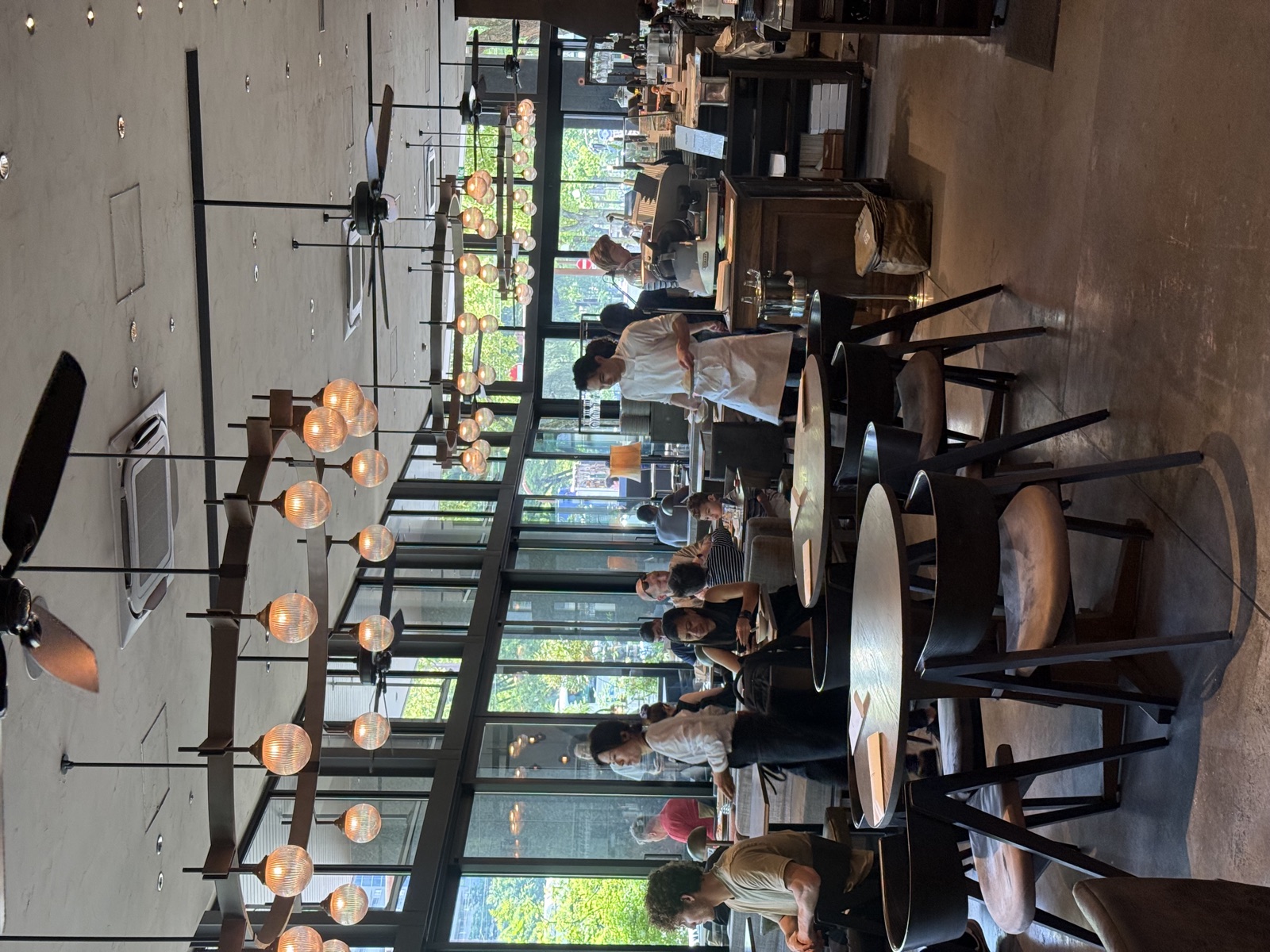
July in Hiroshima is sticky and loud, in the best possible way. By eight in the evening the heat hasn’t really broken, the streetcar tracks on Heiwa Odori are still radiating warmth, and the city settles into that particular summer-night mode where no one is in a hurry to go home. This is actually a good thing if you’re trying to understand how people here drink. Hiroshima’s bar scene is not Tokyo’s. It’s smaller, more personal, built on regulars who’ve been coming to the same counters for years. The central areas — Nagarekawa, Yagenbori, Otemachi — are close enough that you can walk between them in twenty minutes, which means a proper evening can cover two or three different atmospheres without a taxi. If you’ve only visited during the day, the city at night can feel like a different place entirely. Quieter than you’d expect, but more interesting for it.
What July Nights Actually Feel Like in Hiroshima
The rainy season officially ends sometime in mid-July, though the exact date varies. Once it does, the evenings shift fast: the cloud cover goes, the humidity stays, and suddenly you want to be sitting somewhere with a cold drink rather than walking to another landmark. That shift is when Hiroshima’s nightlife starts making sense.
Nagarekawa, the city’s main bar district, gets louder on summer weekends. Salarymen spilling out of izakayas onto narrow sidewalks, people sitting on steps outside convenience stores with tallboys, the occasional group of tourists trying to find the place they read about. It’s lively without being overwhelming, at least before midnight. The district runs roughly between Hatchobori and Kamiyacho, a stretch of maybe six or seven blocks with an improbable density of places to drink.
Yagenbori, a few minutes south, is quieter. The streets there have more of a residential underlay — old wooden shopfronts between bars, a dentist next to a whisky place. I walk through there more than I drink there, but it’s worth knowing about.
Otemachi, further west toward Peace Park, has a different texture again. Fewer tourists, fewer groups. Smaller bars that feel like they’re there for people who live in the city.
The Case for Arriving Early (by Hiroshima Standards)
One thing that catches visitors off guard: Japanese bar culture does not start at 10pm. The rhythm in Hiroshima is closer to 7pm for a first drink, 9pm for a second stop, and anything after midnight is genuinely late. This is not Tokyo. A lot of the better places close at 2am and last call tends to come earlier than you’d think.
Getting somewhere at 7:30 or 8pm, before it fills up, is almost always the right call. You get the bartender’s attention, the seats you actually want, and a chance to figure out the menu before the room gets noisy. I went to Bar Alegre on a Tuesday once and was the only customer for the first forty minutes. By 9pm there were maybe eight people and it felt exactly right.
Nagarekawa: Volume Without the Chaos
Nagarekawa is the obvious starting point, and that’s fine. The obvious answer is often the right one. The district isn’t Shinjuku — it’s not disorienting or seedy or particularly hard to navigate. It’s just a cluster of drinking establishments in a concentrated area, which is exactly what you want when you don’t know a city.
What makes Nagarekawa interesting rather than just convenient is the mix. There are izakayas where you can eat well while drinking, standing bars with a ¥1,000 set of something small and a glass of beer, cocktail bars with serious ice programs, places that only do sake, places that seem to only serve their owner’s friends. In July you’ll find some of them opening their windows or spilling onto the street — not quite outdoor seating, just acknowledgment that the weather demands some air.
For a longer write-up on the neighborhood specifically, the Nagarekawa nightlife guide covers it in more detail.
Craft Cocktails: What to Look For
Hiroshima has a craft cocktail scene that punches above its size. Some of it traces back to the city’s history with hotel bars — Grand Prince and the old ANA hotels trained a generation of bartenders who eventually went independent. Some of it is just luck, the kind of clustering that happens when one or two serious bartenders settle in a city and quietly attract others.
Bar Alegre in Horikawacho (a side street off the main Hatchobori area) is one of the benchmarks. Third floor of an older building, you have to bow your head to get through the low entrance. Owner Shu Kojima has been doing this for over twenty-five years and it shows in exactly the way you hope it would: no gimmicks, very good ice, drinks that taste like what they’re supposed to taste like. The Japanese tea-room influence in the interior design sounds unusual and kind of is, but it works. Open until 2am, 1am on Sundays.
For the afternoon drinker or anyone arriving jet-lagged, Bar Upstairs on Yagenbori-dori is genuinely unusual — it opens from 2pm, which almost no bar in this city does. The owner, Sho Tsunoda, ran hotel bars for over a decade before going independent. You can get a coffee, a plate of Napolitan, and something proper to drink, all in the same afternoon session. That kind of flexibility matters when your body thinks it’s 6am.
For a deeper look at the cocktail-specific options around the city, there’s a craft cocktail bar guide that covers this in more detail.
Drinking in July Heat: Some Practical Notes
A few things that affect how an evening actually goes in summer. First: bring cash to smaller bars. Hiroshima is getting better at cards but many of the one- or two-person operations still run cash-only, and there’s nothing worse than being turned away at a counter you waited to get to. The cash situation in Hiroshima is covered elsewhere if you want the full picture.
Second: the walk between neighborhoods is fine early in the evening and genuinely unpleasant at midnight in July if it’s still 28°C. Plan accordingly. The streetcar from Kamiyacho to Otemachi is two stops. Use it.
Third, and this is a preference: solo drinking is easier here than you might expect. Many of the better bars are counter-only or counter-first, which means being alone doesn’t mean sitting at a table feeling conspicuous. A friend who used to bartend in Tokyo told me Hiroshima has a higher ratio of serious counter bars per capita than most cities its size. I have no way to verify that. Maybe fifteen or twenty places total that fit that description, I haven’t counted. But it feels true.
For the specific solo-bar question, there’s a piece on drinking alone in Hiroshima that goes into the etiquette side.
What About the Nagarekawa Izakaya End of Things
Not every night needs to be craft cocktails and quiet counters. The izakaya side of Hiroshima nights has its own rhythm and there’s nothing wrong with starting there — cheaper drinks, actual food, a noisier atmosphere that makes it easier to talk. The Hiroshima izakaya guide covers the food-and-drink side of evenings more specifically if that’s the direction you’re going.
The general pattern I use: start somewhere you can eat (izakaya or a restaurant with a bar), then move to somewhere more drink-focused once the kitchen’s no longer the priority. It means you end the night in a better bar without having had to eat bar snacks for dinner. For what’s actually good to eat this time of year, there’s a summer food guide to Hiroshima worth checking before you plan the night.
A Few Places I’d Send a Friend To
For the cocktail-and-counter evening, Bar Alegre is the one I come back to. The Horikawacho address can be slightly confusing on foot at night — it’s in one of those blocks where the street names don’t quite line up with Google Maps — but you’re looking for a small sign, third floor, and the bow-to-enter doorway. Worth the minor navigation. If the article topic naturally leads to whisky or classic cocktails, this is the place.
If I’m doing an early evening and don’t want to commit to a full bar session yet, VUELTA in Otemachi is where I tend to land first. Small craft cocktail bar, sixteen seats, quiet in a way that’s different from the Nagarekawa bars — not precious about it, just calm. Walk-ins are fine most nights; weekends it’s worth booking through their site if you want to be sure of a seat.
For the Yagenbori end of things, Bar Upstairs is the useful wildcard: early hours, a proper drink menu, and food if you need to extend the session without moving.