Drinking Alone in Hiroshima: Where to Sit at the Bar
Where to drink solo in Hiroshima without feeling awkward — a local's picks across neighborhoods, bar styles, and price points.
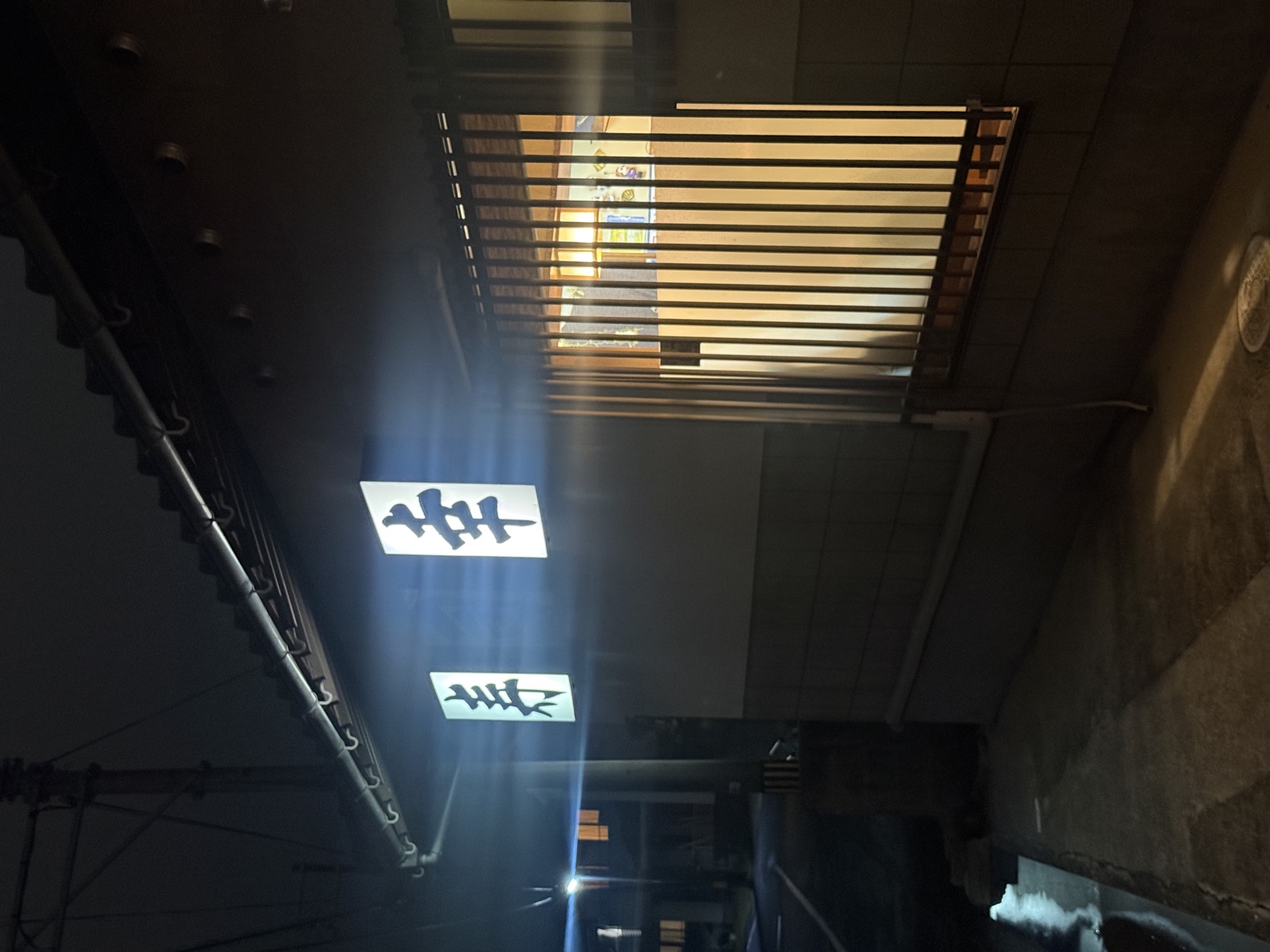
Drinking alone in Japan is easy. That probably sounds counterintuitive if you’ve only done it in London or Chicago, where the solo customer at a bar is either invisible or watched too closely. Here it’s just normal. The counter is a legitimate place to be, the bartender will talk when you want to talk and leave you alone when you don’t, and nobody will try to seat you at a table by the kitchen because they need the bar space. Hiroshima is smaller than Tokyo and Osaka, which means the good bars are quieter, and a solo drinker at a counter tends to get actual attention rather than being one of thirty people flagging for a cocktail. I’ve been working in hospitality in central Hiroshima for a few years now and I spend a reasonable number of evenings at bars in this city. This is where I’d tell a visitor to go if they were doing a night alone.
The Hiroshima Bar Scene Is Smaller Than You’d Expect
I mean that as a compliment. Most of the bars worth sitting at are concentrated in a few blocks around Nagarekawa, Yagenbori, and Otemachi, which means you can actually walk between them in a single evening without committing to a taxi. Tokyo has more of everything, but you spend half the night in transit. In Hiroshima you can have a first drink somewhere quiet, drift into somewhere louder, and end up somewhere intimate — all on foot, usually within twenty minutes total.
The crowd skews local. You’re not going to run into tour groups nursing beers and shouting over each other. The bars that have been around for fifteen or twenty years tend to have regulars who come in on the same nights each week, know their orders, and are not especially interested in performing for visitors. That’s actually comfortable when you’re alone — nobody’s paying attention to you either, which paradoxically makes it more relaxing.
English is hit or miss. Most serious cocktail bars have at least one person who can manage a basic conversation, but don’t count on being able to ask the bartender for their life story in English. Pointing at the menu works fine. Saying “something citrusy” or “not too sweet” works fine. There’s a lot of nonverbal fluency that happens at a good bar counter and you don’t need much language to participate in it.
Nagarekawa: The Most Bar Density Per Block in the City
If you get off the streetcar at Yagenbori or walk south from Hatchobori, you hit Nagarekawa, which is where most of Hiroshima’s denser bar clusters are. On a Friday or Saturday night it can get genuinely loud — there are places here that feel more like clubs than bars, and a few corners where you’ll walk past groups of people in yukata or matching T-shirts for a work party. This is not the wrong place to start an evening, but it’s also not the place to end one if you came out to think.
For solo drinking specifically, Nagarekawa works best early — say, eight o’clock, before the group bookings fill up the counters. Get there at nine on a Friday and you might spend ten minutes standing in the entry of three different places before finding a seat. Get there at seven-thirty and you’ll have your pick.
The bars worth sitting at in this area tend to be upstairs or down a narrow hallway, with maybe twenty seats max. The street-level places that look big through the glass tend to be louder and less interesting. Go up the stairs.
Yagenbori: Where to Go When You Don’t Want to Shout
Yagenbori-dori is the main street that runs through this area, and there’s a particular afternoon-into-evening quality to it that I find more forgiving than Nagarekawa proper. The street is lined with smaller places, and because some of them open early in the afternoon, you can actually start a solo evening before it’s dark, which feels more natural than waiting until the night kicks in.
Bar Upstairs is on the fifth floor of a building on this strip. The owner Sho Tsunoda spent years at Hotel Granvia Hiroshima before going independent, and the space reflects that: it’s quieter than its surroundings, it has a small cafe menu in the afternoon, and it shifts into proper cocktail mode after dark. I went in once on a Tuesday around half past four when I had two hours to kill before meeting someone for dinner. Ordered a coffee, sat at the window, watched the street below. Around six the room just naturally changed temperature — a few more customers, the lights adjusted somehow, and without anyone saying anything it became a bar. That kind of place.
Sundays are fine here. It’s one of the few spots in the area that doesn’t feel depleted on a Sunday night.
Hatchobori and Horikawacho: The Serious Cocktail Crowd
A short walk toward Hatchobori and you start finding the bars that take the drink itself more seriously. This isn’t a knock on Nagarekawa — there’s plenty of good work being done over there — but if you want to sit at a counter where the bartender is grinding ice by hand and the menu is organized by spirit rather than by flavor descriptor, you tend to find that energy closer to Horikawacho.
Bar Alegre is on the third floor of a building near here, accessible via a staircase you might genuinely miss the first time. The entrance door is low enough that you have to bow your head slightly going in, which is apparently intentional. The owner Shu Kojima has been doing this for over twenty-five years and the bar reflects that — it has the kind of organized calm that comes from someone who’s been in the same room for a long time and knows exactly where everything goes. The concept is a Japanese tea-room version of a 1920s American speakeasy, which sounds overwrought but lands naturally when you’re inside. This is where I’d go on a night when I wanted a drink that took some thought to make.
Open until 2 AM most nights, which matters if you’re arriving from somewhere earlier in the evening.
Otemachi: One More Before Heading Back
Otemachi sits between the Peace Memorial area and central Hiroshima and has a different rhythm from Nagarekawa — fewer bars total, more restaurant-first spots, quieter after eleven. It’s the kind of neighborhood where you end up rather than start. If you’ve had dinner somewhere in central Hiroshima and you want one more drink that isn’t loud, Otemachi makes sense.
VUELTA is a sixteen-seat craft cocktail bar in this area that I’ve been going to regularly since it opened. Small counter, serious attention to technique, and the kind of quiet that lets you hear the person next to you without having to repeat yourself twice. Walk-ins are usually fine on weeknights; a weekend late evening you might want to book a seat through their site in advance. It’s the kind of bar that works well when you want the last drink of the night to actually be worth ordering.
A Few Things Worth Knowing Before You Go Out
Most bars in Hiroshima charge a table fee, called a seat charge or otoshi, somewhere in the range of ¥300–800. You’ll often get a small snack with it. This is normal and not a scam; it’s just how the economics of a small bar work in Japan. The drink prices themselves are roughly what you’d expect for craft work — somewhere between ¥1,200 and ¥1,800 for a cocktail in the places I’ve described, give or take depending on ingredients.
Cash is still preferred in older bars. Newer places take cards. If you’re going somewhere that looks like it’s been open since 1990 and has maybe twelve bar stools, bring cash. If you want the fuller picture on carrying cash in Hiroshima, it’s worth a quick read before you head out for the night.
Last trains in Hiroshima run around midnight on most lines. If you’re staying on the other side of the city or planning to rely on public transit, keep track of the time — Hiroshima is not a city where you can assume you’ll get a train at 1 AM. Taxis are available but can be expensive if you’re going any distance.
One more thing: smoking is still permitted inside some of these places. Japan has been tightening indoor smoking rules, and many bars have already gone smoke-free, but not all of them. If that matters to you, it’s worth checking before you sit down.
A Few Places I’d Send a Friend To
If someone visiting Hiroshima asked me where to spend an evening alone at a bar counter, I’d probably start them at Bar Upstairs in the late afternoon before the night fills in — it’s one of the more forgiving spaces in the city for someone who doesn’t know anyone and wants to ease into the evening rather than arrive cold into a busy room. The hotel-bar background shows in the way the service is calibrated.
For something more atmospheric later in the night, Bar Alegre in Horikawacho is worth the staircase. I took a friend who used to bartend in Ginza there last winter and she didn’t say much for the first twenty minutes, which I took as a good sign. The kind of bar that makes you want to sit quietly and pay attention to your glass.
And if the night calls for one more drink somewhere that doesn’t involve navigating Nagarekawa again, VUELTA in Otemachi is a short walk from most of central Hiroshima and has the particular quality of being a bar that’s easy to stay in. Sixteen seats, not hurried. Worth the visit.