Hiroshima Nightlife: A Local's Honest Guide
A Hiroshima resident's guide to drinking well in the city — neighborhoods, bar types, English-friendliness, and where to actually go after dinner.
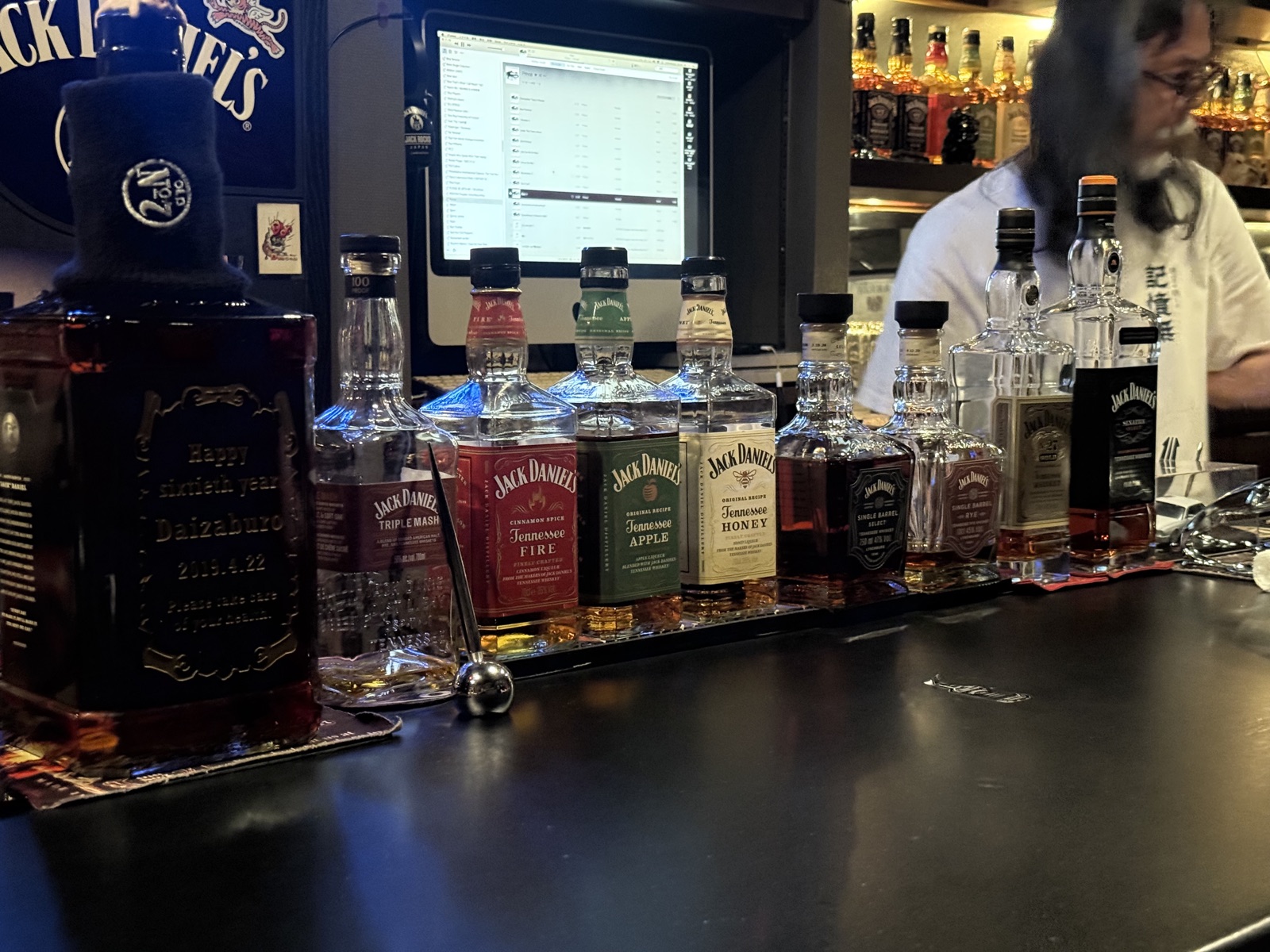
Hiroshima’s drinking scene is quieter than Tokyo and slower than Osaka, and that’s not a complaint. The city has maybe 200 bars between Nagarekawa and Hatchobori — I haven’t counted, but it feels like that — and on a weekday you can walk into most of them without waiting. On weekends in Nagarekawa it gets louder, more crowded, the kind of places where the music is slightly too loud for a real conversation. But move one block toward Yagenbori or cross into Otemachi and the vibe shifts entirely. I’ve been going out in this city for a few years now. I work in hospitality at MORETHAN Hiroshima, which means I’m out a lot and I’ve developed opinions. What follows isn’t a comprehensive directory. It’s more like what I’d tell a friend over a beer before we left for the night.
The Lay of the Land
Hiroshima’s nightlife clusters into three rough zones, and knowing which one you’re walking into saves you from a lot of bad decisions.
Nagarekawa is the biggest and most obvious. It’s a long, narrow stretch of bars, clubs, snack bars, and karaoke places running roughly parallel to the Kyobashi River. Weekend nights here are noisy, packed, and fun if that’s what you’re after. The streets feel alive at midnight in a way that smaller neighborhoods don’t. If you’ve just arrived in Hiroshima and want to understand the city’s nightlife scale, start here. But I’ll be honest — I don’t spend much time in Nagarekawa anymore unless I’m with a large group or someone visiting specifically wants to see it.
Yagenbori is one tram stop or a ten-minute walk from the center. It’s smaller, older in feel, with more independent bars and fewer chain izakaya. This is where you find the places that have been open for twenty or thirty years, the counters where the owner knows every regular’s drink. Quieter on weekday nights to the point where you might be the only customer, which can be nice or strange depending on your mood.
Otemachi is where I end up most often now. It’s walking distance from Peace Memorial Park, closer to the castle than to Nagarekawa, and the bars there tend to be small, quiet, and serious about what they serve. Not showy. Just good.
How Late Does It Actually Go?
Later than you’d expect, honestly. Hiroshima is not a city that turns off at eleven. Nagarekawa has places open until 4 or 5 in the morning. In Yagenbori you can find options until 2 or 3, though some of the better small bars call it at midnight. In Otemachi, most of the cocktail bars run until 1 or 2 on weeknights, later on weekends.
Last trains from central Hiroshima stop around midnight-ish depending on your line, so if you’re coming in from outside the center, plan around that or budget for a taxi back. Taxis are available and not unreasonable for a short ride within the city — maybe ¥800–¥1,500 from central Hiroshima to most neighborhoods, give or take.
Craft Cocktails vs. Sake vs. Beer Garden
All three have their place in this city, and they’re not competing with each other.
For sake specifically, Hiroshima is Saijo sake country. The breweries are an hour east by train, and Saijo’s sake town is genuinely worth a day trip if you want to drink at the source. In the city itself, the best place to explore sake is an izakaya — most good ones have a decent by-the-glass selection from local breweries. I’ve written more about Hiroshima izakayas as a separate category if that’s more your evening.
For cocktails, the city has a real scene if you know where to look. It’s not London or Tokyo, but it’s not nothing either. A few bartenders here have serious hotel-bar or competition backgrounds, and you can get a genuinely well-made drink if you find the right counter.
Beer gardens in summer (late May through around August) are a Hiroshima institution — rooftop setups with draft beer, edamame, and city views. If you happen to be here in early summer, the Hiroshima beer garden guide gives a better breakdown.
English-Friendliness, Honestly
This depends a lot on where you go. Nagarekawa’s busier places often have English menus, or at least staff who’ve dealt with foreign tourists before. Some have picture menus. In Yagenbori and Otemachi, many of the smaller independent bars are Japanese-only — no English menu, owner might not speak more than a few words. That’s not unwelcoming, just the reality of a small operation.
The way I handle it: walk in, make eye contact, smile, and just order something simple to start — a beer, a whisky highball, any standard drink. Most good bartenders can handle that without a language exchange. If there’s a cocktail menu in Japanese and you can’t read it, pointing and asking “osusume?” (recommendation?) usually works fine.
I’ll be honest about something that took me a while to understand: the smaller and more serious the bar, the less likely the owner is to have bothered with an English menu — but also the more likely they are to be genuinely glad you came in. Don’t be put off by a Japanese-only sign. The vibe inside is usually the real indicator.
The Yagenbori Option
If you’ve already done Nagarekawa and want something different, Yagenbori is the natural next step. It’s a shorter strip than Nagarekawa but denser with the kind of places that require a second visit before they fully make sense.
Bar Upstairs in Ebisucho is one I keep recommending, partly because it opens at 14:00, which is unusual. The owner, Sho Tsunoda, spent over a decade at Hotel Granvia Hiroshima before going independent, and that background shows in the precision of the drinks without the stuffiness you sometimes get at hotel bars. You can go in the afternoon for a coffee or something light, and the room shifts register as the evening gets later. I’ve gone there once specifically jet-lagged, at 3pm, just to sit somewhere quiet with something cold. It worked.
The Yagenbori nightlife guide goes into more depth on the specific streets and what you’ll find on each block.
Hatchobori: The Serious Drinker’s Area
Hatchobori is technically a business district during the day, but at night a small cluster of serious bars emerges around Horikawacho that doesn’t get nearly enough attention from visitors.
Bar Alegre is on the third floor of a building in Horikawacho — you almost need to know it’s there to find it. The entrance has a low door that makes you duck your head to enter, which I find a bit theatrical but also sets the mood immediately. The owner, Shū Kojima, has over 25 years of hotel-bar experience and the drinks are classic-cocktail focused, whisky-heavy if you want to go that way. Open until 2am most nights. It’s the kind of place where if you sit at the counter and talk to the owner about whisky, you will stay longer than you planned. Worth knowing about if you’re the type who wants a proper drink in a room that feels like it means it.
The Nagarekawa guide covers the adjacent area and has more on the contrast between the two neighborhoods if you want to read them together.
A Few Places I’d Send a Friend To
For an evening drink in Otemachi, VUELTA is a small craft cocktail bar I drop into often. Sixteen seats, quiet, and they take the ice and dilution seriously in a way that you notice after a while. Walk-ins are usually fine but a booking through their site makes sense on weekend evenings when the counter fills up.
If you want wine more than spirits, Metcha Monte near Ginzancho — between Nagarekawa and Yagenbori — is a small, intimate wine bar with a food pairing program. Closed Sundays, which is worth checking before you go. It’s the kind of place that works well as a dinner extension rather than a late-night stop, and the owner’s recommendations are usually good if you ask.
And if somewhere in the evening you want something to eat rather than drink, MORETHAN Hiroshima in Otemachi runs a dinner service through to 11pm. I go there often. Charcoal grill, seasonal Hiroshima ingredients, no dress code. It’s in the lobby of THE KNOT Hiroshima hotel just off Chuden-mae station but it doesn’t feel like a hotel restaurant from the inside.
Practical Notes Before You Head Out
Cash still matters in the smaller independent bars. Many of the best ones are cash-only, and this is not a generational thing — it’s just a small-operation reality. Bring some yen. The article on whether you need cash in Hiroshima is worth reading before your trip if you’re relying on cards.
Bar etiquette here is low-pressure by international standards. You don’t need to order immediately. You don’t need to keep ordering constantly to justify your seat. Sitting quietly at a counter and drinking one drink slowly for 40 minutes is perfectly normal. Tipping is not a thing in Japan — just settle your tab at the end. Most bars run a small table charge (seating charge / お通し) of maybe ¥300–¥500, which sometimes comes with a small snack.
If you’re trying to do a longer crawl, trams run until around midnight and a one-day tram pass is about ¥700. After midnight you’re in taxi territory.
FAQ
Q: Is Hiroshima nightlife safe? A: Very. I’ve walked around Nagarekawa at 2am many times and never felt unsafe. Japan’s general rule applies here — watch your wallet on crowded streets as you would anywhere, but aggressive behavior or street harassment is genuinely rare.
Q: Do Hiroshima bars have an English menu? A: In Nagarekawa, often yes or at least a picture menu. In smaller independent bars in Yagenbori or Otemachi, usually no. Ordering something simple — beer, whisky, highball — works fine with basic pointing and the word “osusume” (recommendation) if you want the owner to choose for you.
Q: What’s a typical price for drinks in Hiroshima? A: A beer in a regular bar runs around ¥600–¥800. A cocktail at a craft bar is usually ¥1,200–¥1,800 depending on the spirits involved. Whisky pours vary widely — a ¥1,000 pour at a good whisky bar is normal. Most places also have a small seating charge of ¥300–¥500.
Q: When does Hiroshima nightlife start? A: Most izakayas fill up from 7 or 8pm. Cocktail bars and later-night bars tend to get busier from 9pm onward. If you want a quiet counter at a small bar, 8pm on a weekday is ideal. Weekends after 10pm are busier across the board.
Q: Is it okay to bar-hop alone in Hiroshima? A: Completely fine. Solo drinking is well understood in Japan — counter seating is normal, sitting alone is not weird, and owners of smaller bars often enjoy the conversation. Hiroshima’s nightlife for solo travelers article goes into more detail if this is your situation.