Hiroshima Nightlife for Solo Travelers: A Local's Guide
Hiroshima nightlife from a local: where solo travelers should drink, what counter etiquette looks like, and three small bars worth your evening.
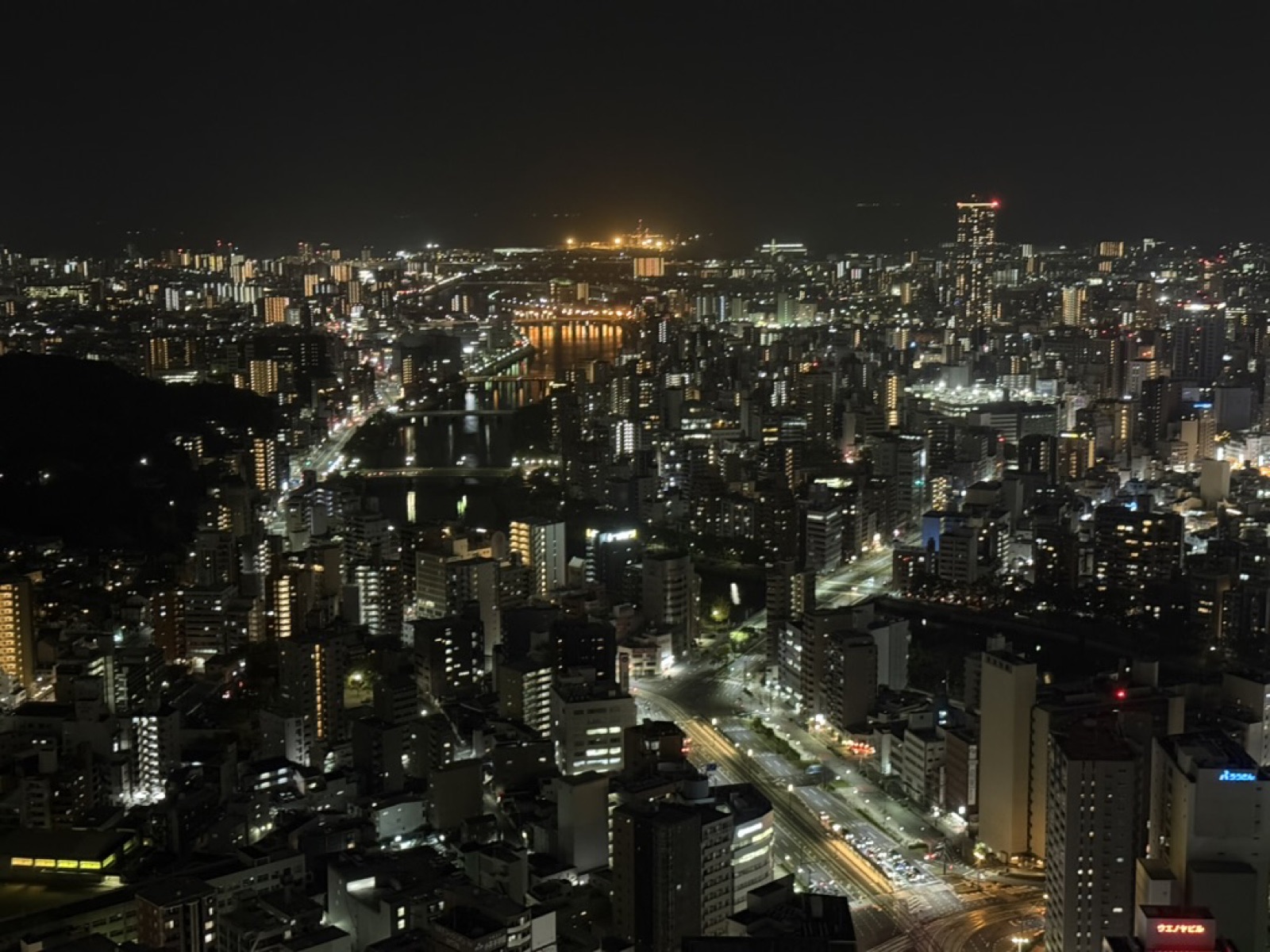
Hiroshima nightlife is built for the solo drinker, more so than people seem to realize before they arrive. The good bars here are small, counter-shaped, and run by people who actually want to talk to whoever’s sitting in front of them. You don’t need a group. You don’t need a reservation most nights. You can walk in, take a stool, and have a real evening on your own without it feeling awkward. I live in Hiroshima and work in hospitality here, which means I’ve watched a lot of solo travelers fumble through their first night here, and I’ve also watched plenty of them figure it out by the second drink. This is the version of the guide I wish more of them had read on the train down from Kyoto: which neighborhoods are worth your evening, how counter etiquette actually works, and three specific bars I’d send a friend to without hesitation.
Why Hiroshima Works for Solo Drinking
Hiroshima isn’t Tokyo. There’s no Golden Gai pressing you against strangers, no Shinjuku-density of options. It’s smaller, calmer, and the bar scene reflects that. Most good places have a counter, a long wooden bar where the bartender stands across from you while you sit on one of seven or eight stools. That counter setup is built for one person. You don’t need a group. You don’t need a reservation on most nights. You walk in, sit down, you’re set.
Maybe 80% of the bars I’d recommend to a visitor are sized between 8 and 20 seats. There are bigger places, especially in Nagarekawa, but the ones worth your evening tend to be small. As a solo traveler that’s a feature, not a bug. You’ll end up talking to the bartender. You might talk to the person next to you, or you might not. Both are fine. If you’re still working out whether to lean into sake-focused izakaya or cocktail bars, the short answer is that cocktail bars are easier to navigate alone. Izakaya assume a group dynamic; cocktail counters don’t.
Neighborhoods Worth Your Evening
Three areas matter for nightlife: Nagarekawa, Yagenbori, and Otemachi. They sit close enough that you can move between them on foot in 10 to 15 minutes. (For a broader district breakdown, the neighborhoods guide covers what each part of the city is actually like.)
Nagarekawa is the busiest. Lots of neon, lots of options, also lots of touts on Friday and Saturday nights trying to push you into kyabakura (hostess clubs). Ignore them and walk on. Once you’re a block off the main strip the touts disappear and the good bars start. Honestly, Nagarekawa as a brand is louder than the actual bar scene there warrants. The better drinking sits in the side streets.
Yagenbori is one street east, smaller, more izakaya than bar but with several great drinking spots tucked into upper floors. Look up. A lot of Hiroshima’s good bars sit on the third or fifth floor of small commercial buildings, with nothing but a small sign at street level. If you only walk eye-level you’ll miss them entirely.
Otemachi is west of the Peace Park, about a 10-minute walk from the Genbaku Dome, the site at the center of Hiroshima’s atomic bomb history. Quieter. More residential. A small but growing cluster of places where you can hear yourself think. If you’re staying near the Peace Park and don’t want to commit to a half-hour walk into Nagarekawa, this is your area.
Counter Etiquette (You Don’t Need to Stress About It)
A bit of context if you’ve never sat at a Japanese bar counter. Walk in, say “konbanwa,” and let the bartender point you to a seat. Don’t pick your own; they may be reserving certain stools or balancing the room. Hand the oshibori (the warm towel) back when you’ve used it. Order one drink at a time, not three at once. Tipping isn’t a thing here. Don’t try.
What about menus? Some places have one, some don’t. If a bar has no list and the bartender just looks at you, that’s a “bartender’s choice” cue. Tell them your favorite spirit, your last good drink, or just “something not too sweet, gin if you have a nice one.” That’s plenty of direction. Most places have a seat charge of roughly ¥500 to ¥1,500 that covers a small snack (otoshi). It’s standard, included on the bill, and not negotiable. Don’t argue it; you’ll only embarrass yourself.
One more thing. Phones on the counter face-down, voice low. The room is sized for conversation at half-volume.
Will They Speak English?
Some will, some won’t. The cocktail bars run by bartenders who’ve worked in hotels are your most reliable bet. Hiroshima has several big-hotel-trained bartenders, and they tend to have functional English from years of dealing with foreign guests. The older Showa-era snack bars are largely Japanese-only. If you want a low-stakes solo evening, head to bars that explicitly market to travelers or have English Instagram accounts. Most of the cocktail places do both. There’s also a foreign-friendly bar guide on this site if you specifically want English-first staff.
A regular at one of the Otemachi bars told me last month that he’d watched the same German solo traveler come back four nights in a row, ordering the same Negroni every time, never saying more than “Negroni, please.” Both sides understood the situation perfectly. The bartender even started pre-chilling the glass when he saw him round the corner. That story is roughly the level of language friction you should expect at a good cocktail bar here. Almost none.
A Sample Solo Evening
If I were planning my own crawl, here’s roughly the shape. Start around 18:00 with a small dinner. Okonomiyaki, ramen, tsukemen, your call. Around 19:30 walk to your first bar. Spend an hour, have two drinks, run up maybe ¥3,000. Move to a second bar in a different neighborhood. Walk between them. The night air clears your head and you’ll catch parts of the city you’d miss in a taxi. End around 23:00, or push to 01:00 if you’re up for it. Total spend, around ¥7,000 to ¥10,000 depending on what you order. (If you’re still hungry after the bars close, the late-night food situation is covered separately.)
Don’t try to hit four bars in one night. Two, or three at most, is the right number. You’ll enjoy each one more, the bartenders will remember you better, and you won’t lose track of what you’ve actually drunk.
What Solo Drinkers Should Skip
Honestly, skip the karaoke chains, skip the international chain pubs near the station, and skip anywhere a tout is pulling you off the street. None of that is what you came to Hiroshima for. If you want a beer in a sports-pub atmosphere there are foreign-friendly options, but you can find that in any city. Save your nights for the small counter bars.
Where I Drink in Hiroshima
These are the three places I’d send a solo traveler to without hesitation, each different enough from the others that you could reasonably do all three across two evenings.
There’s a small place in Otemachi I keep returning to, VUELTA, a 16-seat craft cocktail bar a few minutes from the Peace Park. Sixteen seats means it stays quiet. They take ice and dilution seriously, the staff speak English, and it’s the kind of room where ordering “something with mezcal, smoky but not aggressive” gets you a thoughtful answer rather than a confused look. Walk-ins are fine, but you can book through their site for a Friday or Saturday.
Up on the third floor in Horikawacho is Bar Alegre, a speakeasy-style room you reach through a deliberately low entrance door, low enough that you bow your head walking in. It’s a Japanese tea-room concept layered onto a 1920s American hidden-bar feel, run by a bartender with more than 25 years of hotel experience. Classic cocktails are the move. Order an Old Fashioned and watch how it’s built. Late hours too, which makes it a good second or third stop of the night.
Bar Upstairs in Yagenbori is the outlier of the three because it opens at 14:00. That’s almost unheard-of for cocktail bars in Hiroshima, where most don’t unlock until 18:00 or 19:00. If you’ve just landed, jet-lagged, and want a proper drink in the afternoon rather than at midnight, this is the place. Cafe menu by day, full cocktail menu after dark, run by a bartender who spent 14 years at Hotel Granvia. Fifth-floor location, solo-friendly seating, removed from the street noise.
Final Thoughts
Hiroshima nightlife rewards the solo traveler more than it rewards groups. The rooms are small. The bartenders have time. The bill at the end won’t ruin your trip. You’re not going to find the maximum-density night you’d find in Tokyo or Osaka, and that’s the point. You’ll find something quieter, slower, more memorable. For a broader sweep of the city’s drinking scene beyond the three picks above, the general bars guide covers more ground.
FAQ
Is it weird to drink alone in Hiroshima as a foreigner? Not at all. Counter-style cocktail bars are designed for solo drinking. The bartender will likely engage you, especially in places used to international guests, and other locals at the counter generally won’t bother you unless you signal you want to chat.
Do Hiroshima bars accept credit cards? Many cocktail bars in central Hiroshima accept cards now, especially the newer or more international-facing ones. Smaller snack bars and izakaya often stay cash-only. Carry around ¥10,000 in cash to be safe on any given night.
When do bars in Hiroshima close? Most cocktail bars run until 01:00 or 02:00. A few close earlier on Sundays or holidays. Last orders usually go in 30 minutes before close, so don’t sit down at 01:25 expecting a full menu.
Is there a dress code? No formal dress code at most cocktail bars in Hiroshima, but the speakeasy-style places lean smart-casual. Avoid shorts, beach sandals, and team-jersey-and-baseball-cap looks. A clean shirt, dark trousers or jeans, and decent shoes is more than enough.
Can I just walk in without a reservation? For most bars, yes, especially weeknights. Friday and Saturday after 21:00 in Nagarekawa or Otemachi can fill the small rooms quickly. If a bar takes online bookings and you’re set on going there, book.