Sake or Cocktails? A Local's Hiroshima Drinking Guide
How to drink well in Hiroshima: local sake from Saijo, cocktail counters downtown, and how to choose between them for your night out. A local's guide.
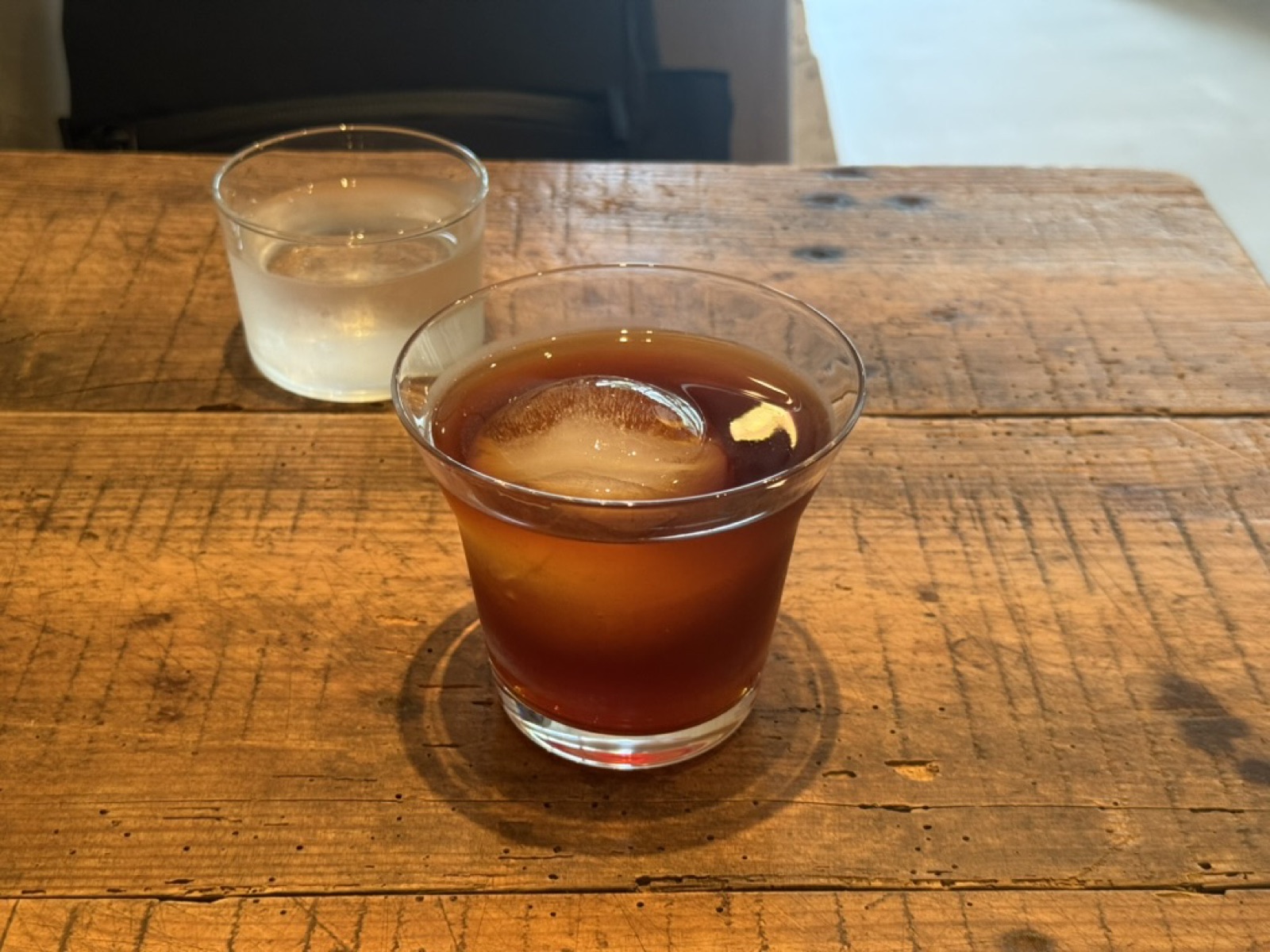
If you’re trying to choose between a sake bar and a cocktail bar in Hiroshima, the honest answer is: do both, in that order, on the same night. Sake suits the early evening — food-forward, often paired with sashimi or oysters. Cocktails suit later, when you’ve eaten and want a quieter room with someone behind a counter who cares about the ice. I’ve lived in Hiroshima for years, and I’ve watched friends visit with one bar in mind and miss the rhythm of a full local evening. This guide is the rhythm. We’ll cover where to go for proper junmai, where to find a bartender who measures by feel, what these places actually cost in JPY, and how to handle the etiquette without getting flustered. Hiroshima nights are slower than Tokyo and softer than Osaka — they reward people who don’t rush. Pick a starting drink, walk a couple of blocks, and you’ve got the shape of a good evening.
How Hiroshima Nights Move Differently
Hiroshima drinks differently from Tokyo or Osaka. The pace is slower, the rooms are smaller, and bartenders generally have time to talk if you want to. Most of the action sits in three pockets within walking distance of each other: Nagarekawa (the loud, neon main drag), Yagenbori (the alley-thick area east of Nagarekawa, more izakaya than club), and Otemachi (quieter, west of the river, where the cocktail crowd has been settling in over the past few years).
If you stay near Peace Park or downtown, all three are 5–15 minutes on foot. The trams stop running around 11 PM, and the last Shinkansen back to Osaka or Fukuoka is easy to miss if you don’t watch the clock — but for most travelers, you’re walking back to your hotel anyway.
When to Choose Sake (and Where)
Sake belongs early. Hiroshima Prefecture is one of Japan’s three historic sake regions, alongside Nada in Hyogo and Fushimi in Kyoto. The water here is soft, which produces a softer, slightly sweeter junmai than what you’d get from Niigata.
A few starting points:
Saijo-style izakaya near Hatchobori. Kamotsuru, Kamoizumi, and Hakubotan are all from Saijo, about 30 minutes east by JR. Most decent izakaya in central Hiroshima will pour at least one of them. Ask for junmai ginjo if you want a clean rice flavor, or honjozo if you prefer something rounder.
Yagenbori standing bars. Several tachinomi (standing bars) here serve flights of three Hiroshima sakes for around ¥1,500–2,000. You’re meant to stand, drink, and leave within an hour.
Pair with oysters or sashimi. Hiroshima produces roughly 60% of Japan’s farmed oysters. A sake-and-oyster pairing in late autumn or winter is the closest thing to a regional set menu — see our oyster guide for specific spots.
Etiquette: pour for the person across from you, never for yourself. If they pour for you, lift your cup slightly. Don’t fill anyone’s glass to the brim — the meniscus should rise just above the rim, and that’s a courtesy you can practice anywhere.
When to Choose Cocktails (and Where)
Cocktails come later, after you’ve eaten. Hiroshima’s cocktail scene is small but serious — there are maybe 15–20 bars in the city where someone is genuinely thinking about ice density, dilution, and the temperature of the glass.
Where to look:
Nagarekawa upper floors. The sixth, seventh, eighth floors of mixed-use buildings are where the older, more established cocktail bars sit. The street-level neon is mostly chain karaoke and hostess clubs; the good cocktails are above them. Look for a small sign and a wooden door.
Otemachi. Over the last couple of years, smaller bars have opened on the west side of the river around Otemachi. The vibe is quieter, the rooms are smaller, and prices are usually a little softer than the established Nagarekawa rooms.
Hondori arcade fringes. A few solid bars sit one street off the main shopping arcade, especially toward the southern end near Chuo-dori.
A standard cocktail at a serious bar runs ¥1,200–1,800, with a table charge (otoshi) of ¥500–1,000 added once. Don’t be surprised by it — it’s universal here. For a wider survey beyond this sake-vs-cocktails frame, the city’s main bar list covers the bigger names by category.
A Sample Evening, From First Pour to Last
Here’s the rhythm I’d suggest for a first-time visitor with a free Saturday night:
6:30 PM — Start with sake and oysters at an izakaya near Hatchobori or Yagenbori. ¥3,500–5,000 per person.
8:30 PM — Walk twenty minutes to Hondori for a coffee or a short break. Yes, coffee. The good cocktail bars don’t open until 8 PM, and you don’t want to arrive already tired.
9:30 PM — Cocktails. This is where the choice opens up.
For that last stop, three options worth considering:
An older Nagarekawa room for classics, where the bartender has been making Negronis for thirty years and the back-bar is twice as deep as the room.
A small Yagenbori standing bar if you want something less formal and a quicker turnover — you’ll usually be out within forty-five minutes.
You don’t need to do all three. One of them, plus the sake start, is a complete Hiroshima evening.
What These Places Actually Cost
A rough ladder, in JPY, as of writing:
Standing sake bar: ¥2,000–3,000 per person, including a small dish.
Sit-down izakaya with sake and oysters: ¥4,000–6,000 per person.
Serious cocktail bar: ¥3,000–5,000 for two drinks plus the otoshi.
Late-night ramen or okonomiyaki to close the night: ¥1,000–1,500.
A full evening with one of each runs around ¥8,000–12,000 per person. You can do less; you can also do quite a bit more if you start ordering rare bottles.
English, Reservations, and How to Walk In
Most cocktail bars have at least one staff member who can take an order in English, but the conversation will often happen in a mix. A simple “I like gin, not too sweet” will get you a thoughtful drink almost anywhere. Don’t ask for a menu at the smaller cocktail bars — there usually isn’t one.
Reservations are appreciated for rooms under twenty seats but rarely required on weeknights. On Friday and Saturday, walk in by 9 PM or call ahead. If a bar has a “members only” sign in Japanese, it’s not actually members-only — it’s a polite way to ask first-timers to come with a regular. You can still ask, and you’ll often be welcomed. If language is a real concern, bars that lean foreign-friendly are worth knowing about before you head out.
Tip: most Japanese bars don’t accept tips. Don’t leave one. The otoshi covers what would be a tip in your home country.
Late-Night Food Between Rounds
The bars close, you’re hungry, the trams have stopped — what to eat?
Okonomiyaki at Hassei or one of the late-open Nagarekawa stands, usually open until 1–2 AM. ¥900–1,400.
Spicy tsukemen at Hiroshima-style shops in the Hatchobori area, several of which run past midnight.
Late-night ramen along Chuo-dori — a handful of standing-bar style shops stay open into the early morning.
A bowl of something hot before you walk back to the hotel is, in my experience, the most reliable way to make the next morning easier. For dinner planning before the drinks, the restaurant recommendations roundup covers the basics around downtown. General arrival logistics — IC cards, tram routes, hotel zones — sit in the Hiroshima travel tips guide.
A Final Note on Pacing
The mistake I see most often is people trying to fit four bars into one night. Don’t. Two is comfortable, three is a long evening, four is a hangover. Hiroshima rewards a slower pace — the rooms are small, the conversations get longer, and you’ll remember more of the night if you let it breathe.
Pick a sake start, pick a cocktail finish, and walk between them. That’s the city’s rhythm. Once you find it, you don’t really need a guide.
FAQ
Is Hiroshima good for nightlife compared to Tokyo or Osaka?
It’s smaller and slower-paced — fewer huge clubs, more small bars where the bartender remembers you. If you want intensity, Osaka is closer. If you want quality without the crowd, Hiroshima is better.
Do Hiroshima bars accept credit cards?
Cocktail bars usually do. Smaller standing bars and old-school izakaya often don’t. Carry ¥10,000–20,000 in cash per person for an evening to be safe.
When do bars close in Hiroshima?
Most close between 1 and 3 AM. Last call is usually 30 minutes before closing. The bigger Nagarekawa places run later on Friday and Saturday.
Is it OK to go drinking alone in Hiroshima?
Yes, and it’s common. Sit at the counter, order one drink, and the bartender or the regular next to you will usually start a conversation if you seem open to it.
What’s a reasonable budget for one night out?
Around ¥8,000–12,000 per person for sake start, cocktail finish, and a late-night bowl of something. You can do it cheaper at standing bars; you can spend two or three times as much if you order older bottles.