Where to Eat Near Hiroshima Station: A Local's Guide
Where to eat near Hiroshima Station without falling into tourist traps. A local's honest picks for ramen, okonomiyaki, standing bars, and more.
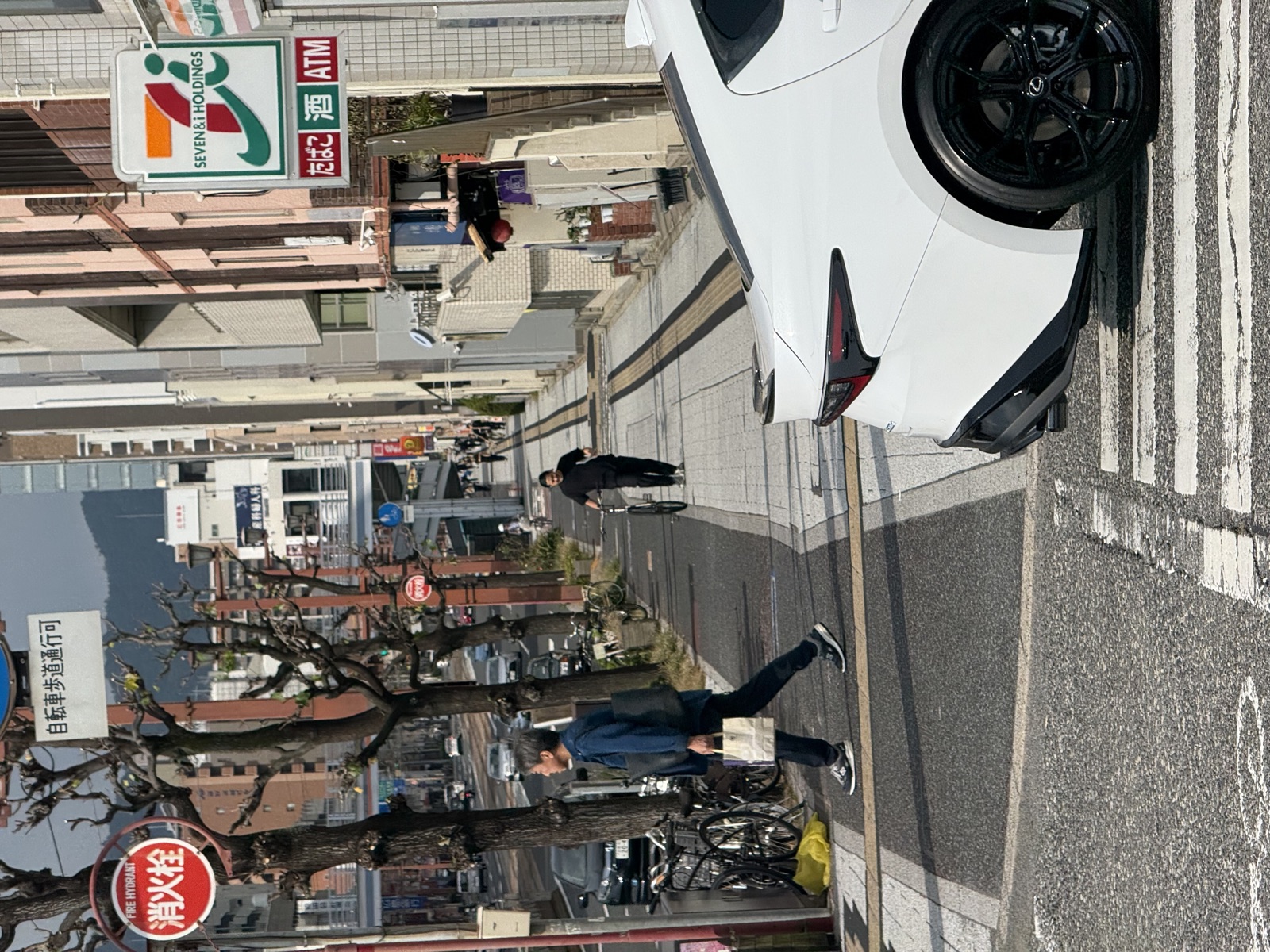
Hiroshima Station is not where I usually eat. I live in the city, and the area right around a major train station is, in most Japanese cities, a mix of chain restaurants and places designed for people who are passing through rather than staying. That said, I’ve spent enough time at Hiroshima Station — picking up friends, catching shinkansen, waiting around — that I’ve worked out which spots are worth stopping at and which ones you can safely skip. The eating landscape around Hiroshima Station has changed noticeably in the last few years, mostly because of Ekie, the station building that opened on the north side. Some of what’s in there is genuinely good. Some of it is the kind of thing that looks appealing when you’re jet-lagged and hungry and don’t want to walk anywhere. This guide tries to be honest about the difference.
The station area in plain terms
Hiroshima Station sits on the east edge of central Hiroshima. The shinkansen platforms are on the south side; the Hiroden streetcar lines, local JR, and most of the city-facing exits are also on the south. The north exit opens onto a different neighborhood entirely — quieter, more residential — and most of what I’d call the interesting eating is either inside the station building itself or within about a ten-minute walk south and west toward Hatchobori.
The station building is split across two structures. Ekie (the newer north-side building) has a solid food floor on the upper levels and a basement grocery hall worth knowing about. The south side, older, connects directly to the shinkansen gates and has the main retail concourse with a mix of souvenir shops and sit-down restaurants. I’d say the food is generally better on the north side, though that’s a low bar.
If you have time to walk, the fifteen-to-twenty minutes into Hondori or Kamiyacho opens up the city’s actual restaurant scene. But if you’re arriving late, leaving early, or just want to eat quickly without logistics, here’s how I’d navigate what’s available.
Okonomiyaki near the station
This is the obvious question when you’re at Hiroshima Station, and the honest answer is that the best okonomiyaki in the city is not here. The Okonomi-mura building in Shintenchi is about a fifteen-minute streetcar ride away, and for a first proper Hiroshima okonomiyaki, it’s worth making the trip. That said, there are a couple of decent options close to the station if you’re time-crunched.
The station area has a small cluster of okonomiyaki shops on the south side, mostly in the covered shopping street that runs parallel to the tracks. The quality varies. A few are workmanlike — the kind that get the basic layering right (cabbage, thin noodles, yakisoba, egg) without doing anything particularly memorable. I’ve eaten at a couple of them in transit and come away satisfied if not excited. What to avoid: anything with a laminated photo menu specifically targeting tourists, or anything with a queue that formed because of signage rather than word of mouth.
If you want a sit-down okonomiyaki experience without the journey to Okonomi-mura, there are a handful of small family-run shops a five-to-ten-minute walk south of the station exit toward Matoba-cho. They don’t have English menus but staff are generally accommodating. Point at what someone nearby is eating — it works.
Ramen options
Ramen around Hiroshima Station is more reliable than okonomiyaki. There are two distinct things to understand about ramen in Hiroshima: the city has its own regional style (thicker noodles, lighter chicken-based broth, sometimes called Hiroshima ramen), and it also has a strong tsukemen scene, particularly the spicy red variety the city is known for. Both exist near the station.
Ekie’s food floors include at least one bowl-based shop that does something closer to the local style. It’s the kind of place I’d eat at on a hurried Tuesday without feeling like I wasted the meal. More interesting, though, are the shops in the streets immediately south of the station — particularly around Matoba-cho and the back streets toward Minami Ward. There are a few spots in that direction that feel like they’re there because people who live in the neighborhood eat there, not because a station-adjacent guidebook listed them. That’s usually a reasonable proxy for quality in Japan.
For tsukemen specifically, the Hiroshima style uses flat thick noodles and a heavily seasoned dipping broth, often with a spice level you choose yourself. This is one of the things Hiroshima does better than almost anywhere in the country, and the genre has more depth than the tourist-facing places suggest. If you’re curious about the full range of what Hiroshima does with noodles, I wrote more about it in my Hiroshima tsukemen guide.
The Ekie food floors
Ekie is the north-side station building, finished a few years ago, and the upper floors (mainly the 5th and 6th, if I remember right — [VERIFY: confirm current Ekie restaurant floor numbers]) have a curated selection of restaurants that’s better than the average station building. The mix includes Japanese, some Italian, a few coffee concepts, and a couple of spots doing lunch sets.
What I appreciate about Ekie is that it’s air-conditioned, it has proper seating, and it’s not the chaos that some Japanese station food floors become at lunch peak. The downside is that almost everything is priced slightly above what you’d pay for equivalent food in the actual neighborhood. That premium is essentially what you’re paying for not having to walk anywhere. If that trade-off makes sense given your schedule, Ekie is genuinely fine. If it doesn’t, the money goes further a ten-minute walk away.
The basement grocery hall is worth a mention for a different reason: it’s where I go when I’m picking someone up from the shinkansen and want to have snacks ready, or when I want to grab a prepared meal without the table wait. The prepared foods section has decent bento, onigiri from a couple of local brands, and some food from the region — citrus products, oyster items, and local sweets — that hold up better than the souvenir-packaged versions in the gift shops.
Standing bars and quick drinks
If you’re waiting for a platform departure and want something that isn’t a coffee chain, the area around the south exit has a couple of standing bars that open early enough to catch people transitioning from lunch to the afternoon. The format — you stand at a counter, order a beer or a highball, eat something small — is common in Japan and underrepresented in English-language Hiroshima guides, which tend to focus on sit-down restaurants.
I’ve used these before when arriving late-morning and killing time before a meeting: quick bowl of something, a beer if the day allows, out in twenty minutes. The ones that have been there for years and have a regular crowd of office workers and construction guys are usually the right call. The ones with a chalkboard outside and a cocktail list are probably aiming at a different customer than me.
Eating at the station vs. eating in the city
I’ll be honest: if you’re staying in Hiroshima for more than one night, the station area is probably where you eat on arrival or departure, not where you explore. The city’s real eating is concentrated in the zone between Hatchobori and Kamiyacho — maybe fifteen minutes west on the streetcar — and sprawls south into Nagarekawa and Yagenbori for the evening options. That’s where restaurants that have been around for decades sit next to newer places run by people who grew up eating here and came back to cook.
For what it’s worth, the Hiroden streetcar from the station is easy to figure out even without Japanese. You pay on exit (have coins or an IC card — the cash and cards situation in Hiroshima is worth reading before you arrive), and you’ll be at Hatchobori in about twelve minutes. That’s enough time to move from “I just got off the shinkansen” to a lunch that actually represents what this city eats.
For a broader sense of where the neighborhoods are and which areas have what, my Hiroshima neighborhoods guide covers the eating geography better than I can squeeze into a section here.
Practical notes for getting around
The Hiroden streetcar stops directly in front of the south exit. Line 2 and Line 6 both head toward Hatchobori and the city center. Frequency is good during the day — you shouldn’t wait more than five or six minutes. A single fare is [VERIFY: current Hiroden single fare, typically ¥180–220]. IC cards (ICOCA, Suica, Pasmo) work on the Hiroden, which is convenient if you already have one from elsewhere in Japan.
There are also taxis immediately outside both exits. For a group of three or four people who are tired and just want to get to a restaurant without thinking about transit, a taxi to Hatchobori is probably under ¥1,000 and takes ten minutes.
For the station area itself, almost everything within the Ekie building is walkable without going outside, which matters in Hiroshima’s summer heat (July and August are genuinely uncomfortable outdoors, 35°C range) or during the rainy season in June.
A few places I’d send a friend to
If you’re spending an evening in the city — not just passing through the station — the eating and drinking options in central Hiroshima are worth the fifteen-minute streetcar ride.
For a casual lunch in the Otemachi area, Udon-tei Sakae is a small family-run shop I keep coming back to. The karaage is as much the draw as the udon, and the weekday-only hours (closed weekends and holidays) give it a neighborhood-regulars feel. Around ¥1,000 for a meal. No English menu, but they’re patient.
For an evening stop, VUELTA is a small craft cocktail bar in Otemachi I drop into often — sixteen seats, quiet, with careful attention to how things are made. It’s about a twenty-minute streetcar ride from the station, so it’s a deliberate decision rather than a quick detour. Worth it if you’re staying in the city and want a proper drink rather than a hotel bar.
FAQ
The questions below come up a lot when people are planning the station-area eating, and I’ve tried to answer them the way I’d answer a friend’s text.
Is there good food inside Hiroshima Station itself?
Yes, specifically in the Ekie building on the north side. The upper restaurant floors have a decent selection — nothing that will be the highlight of your trip, but reliably good. The basement grocery is useful for prepared food and local snacks.
What’s the closest okonomiyaki to Hiroshima Station?
There are a few okonomiyaki shops within five minutes’ walk south of the station, mostly in the covered shopping street off the south exit. Quality is adequate. If you have time, the Okonomi-mura building in Shintenchi (fifteen minutes by streetcar) is meaningfully better.
Should I eat at the station or go into the city?
For a meal that represents what Hiroshima actually eats, go into the city. The streetcar to Hatchobori or Kamiyacho takes about twelve to fifteen minutes and opens up a completely different range of restaurants. If you’re time-limited — arriving late, leaving early — the station area is fine.
What’s the best quick food at Hiroshima Station?
The Ekie basement prepared-foods section is the best quick option: bento, onigiri, some local products. For a sit-down bowl of something, there are ramen options in the streets south of the station that are better than anything inside the building.
Can I find vegetarian or dietary-restricted food near the station?
It’s harder near the station than in the city center. The Ekie building has the broadest range of options given its variety of restaurants. Fully vegan options near the station specifically are limited — there’s more choice in the city center if dietary restrictions are a factor.