Where to Eat Lunch in Hiroshima: A Local's Picks
A local's honest guide to lunch in Hiroshima: teishoku counters, okonomiyaki timing, noodle shops, and where office workers actually eat.
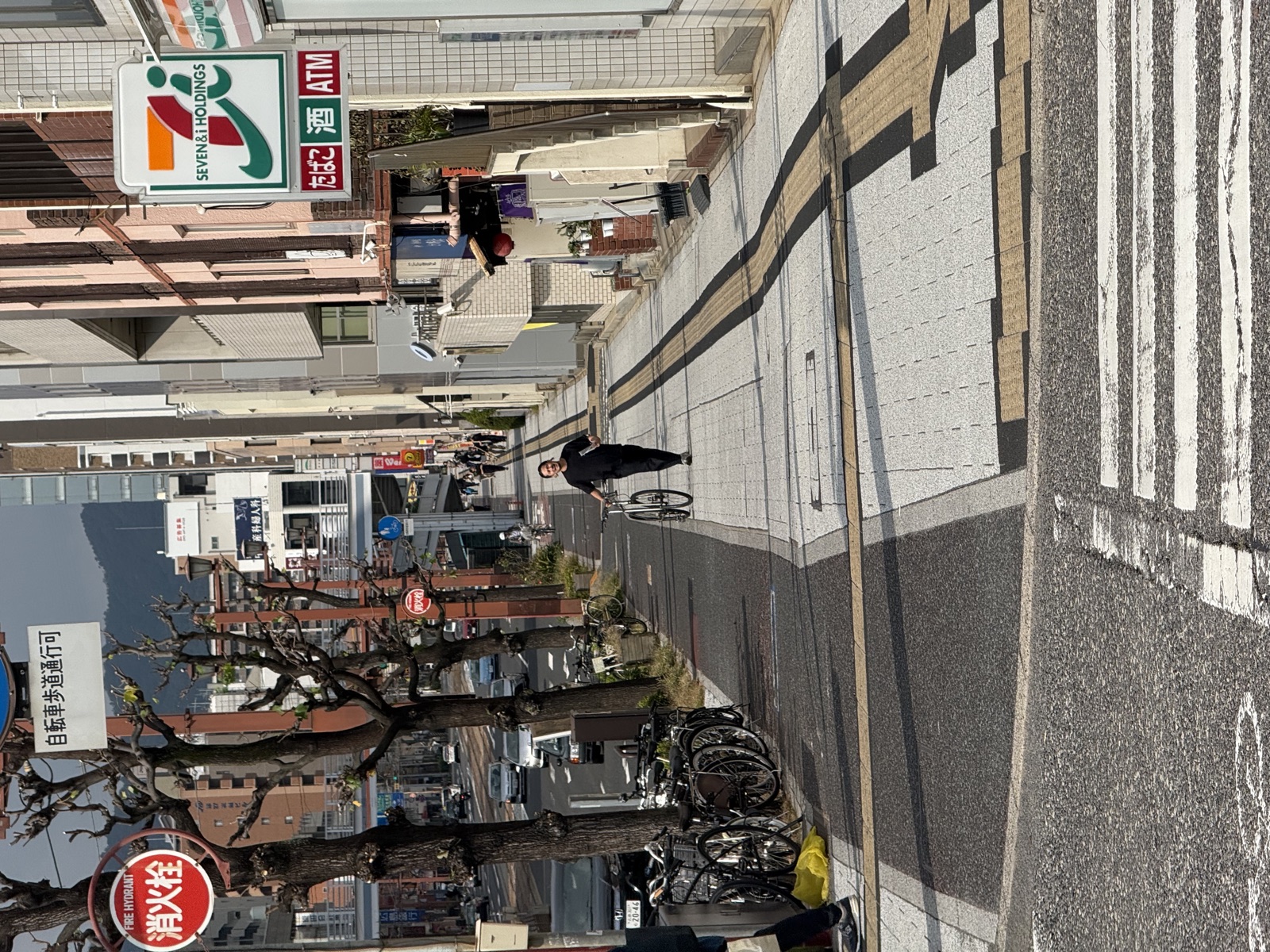
People ask me where to eat lunch in Hiroshima more than almost any other food question. And that makes sense: lunch is actually where this city earns its reputation, though not in any way the guidebooks usually cover. The tourist story is okonomiyaki for dinner, Miyajima for the day. But the real rhythm of eating here is the midday one, running on office workers and neighborhood regulars rather than visitors. I live in central Hiroshima and eat out for lunch most weekdays. What I’ve figured out over time is that the best value is almost never near the famous sights. Get yourself a few blocks from Peace Memorial Park, toward Otemachi or the back streets off Hondori, and the options multiply fast. The places I’d actually send a visitor are nearly all ones where I’d feel self-conscious pulling out a camera, because they’re working-lunch spots first and tourist destinations not at all. That’s the version of lunch in Hiroshima I want to map out here.
Why Lunch Is Worth Planning Here
Hiroshima’s working districts (Otemachi, Kamiyacho, Hatchobori) run on a midday rhythm. That density means competition, and competition means value. A teishoku set lunch in this part of the city often costs forty or fifty percent less than the same food at dinner. The menus are shorter, the portions stay honest, and the service is quick because everyone at the surrounding tables has thirty minutes before getting back to a desk. It’s one of the more efficient ways to eat well in Japan.
The tradeoff is timing. Most lunch counters here run from around eleven-thirty to two, sometimes cutting off earlier when they sell out. Go after twelve-fifteen and you’re likely queuing in the office-worker rush. Go before noon and you’ll usually walk straight in.
Okonomiyaki at Lunch: Why the Timing Matters
Most first-time visitors do okonomiyaki in the evening. That’s understandable, but lunchtime is genuinely better, at least for Okonomimura, the multi-stall building near Shintenchi with roughly twenty-five counters across several floors. The midday crowd is lighter and mostly local. The evening version involves more waiting, more noise, and a stronger sense of doing something explicitly touristy. Lunch there is just lunch.
My default inside the building is Tetsu on the second floor. Opens at eleven, closes when it runs out. Traditional Hiroshima style: good cabbage, thin noodles, no theatrical flair. The owner is approachable in a way that some of the older counters in the building aren’t, which matters when it’s your first time eating at a griddle counter and you’re not sure what to do with yourself. Walk straight to the second floor and you’ll find it.
One note about weekends at Okonomimura: the tourist concentration changes the whole experience. Weekday lunches are better. If you want a broader sense of what’s available before committing, this guide to the best okonomiyaki spots in Hiroshima maps out the main counters across the city, including some outside the building entirely. The other thing about going at lunch: if you want to compare styles, you can eat at one counter and walk a floor up and try another. I’ve watched other people do it and the staff seem used to it.
Noodles at Midday: Beyond the Ramen Headlines
Hiroshima’s noodle landscape at lunch is wider than the ramen narrative suggests. Tsukemen gets a lot of coverage, tantanmen gets some, but the format I come back to most at midday is mazemen: a brothless bowl with thick flat noodles and a soy-based tare that you mix at the table. No broth, which suits lunchtime better, especially in June when it’s already humid and a full steaming bowl feels like a lot to ask of yourself at noon.
Okkundo in Otemachi does this format well. Their menu is online if you want to look ahead. Spice levels run zero to seven; I’ve had a three and a five, and the five is probably the ceiling for most people. Open from eleven through late evening, so it works as a late dinner fallback too. I went on a Tuesday once and was the only customer for the first twenty minutes. That version of the place is the one I like best.
For standard ramen at lunch, the Hatchobori and Kamiyacho side streets have plenty of options, but the well-known shops queue fast after noon. This ramen guide is worth checking if ramen is the specific priority.
The Teishoku System: How Set Lunches Work
The thing that feeds most working people in Hiroshima at midday is the teishoku set-meal system, and it’s worth understanding if you’re here for more than a couple of days. Teishoku means a main dish, rice, miso soup, and usually a side or two. It’s almost always the cheapest way to eat at a sit-down restaurant in Japan, and in Hiroshima the lunch-set pricing is noticeably more generous than dinner.
Look for a plastic food display in the window or a laminated board near the entrance with a photo and a price. In the working districts around Otemachi and Kamiyacho, this typically means somewhere in the ¥800–¥1,200 range. Walk in, sit at the counter, point at what you want or wait for someone to bring a paper menu. Most places have enough visual reference that Japanese isn’t strictly necessary.
Timing again: noon to twelve-thirty is peak. Go at eleven-forty and you’ll probably sit immediately. Go at twelve-thirty and you may be waiting outside. I took a friend visiting from Osaka to a counter lunch in Otemachi once and she spent the whole meal quietly impressed that the bill came to under ¥1,000 each. In Osaka you can spend that in five minutes at a tourist-facing takoyaki stall. The midday value in Hiroshima is real. It just doesn’t photograph well, which is probably part of why it doesn’t get written about more.
Standing Bars That Do Lunch
Several places in Hiroshima run a daytime food service before switching to drinks in the evening, and this is probably the most underrated lunch format for visitors. Lemon Stand Hiroshima in Fukuro-cho is the clearest example. Daytime it runs a single-menu Hiroshima curry plate; evening it becomes a standing bar for lemon sours, natural wine, and raw oysters. The bright yellow exterior is hard to miss once you know to look for it. The lunch is simple and good, and the standing structure is comfortable for solo diners. Nobody looks at you eating alone at a bar counter in Japan. That absence of social weight is one of the things I find most pleasant about the country’s lunch culture in general.
The standing-bar lunch crowd in Hiroshima tends to be people who work nearby and need to be back at their desk in forty minutes. Practical, not fashionable. That honesty is part of why it works.
Practical Notes: Budget, English Menus, and Getting There
Budget for most of the options here runs ¥800–¥1,500.
English menus are more reliably available near Peace Memorial Park than in the working-lunch districts. In Otemachi and Hatchobori, assume you’ll be pointing at photos or using a translate app. Most counter staff have encountered this before and handle it without fuss.
From Peace Memorial Park, Otemachi is about fifteen minutes east on foot. Faster by Hiroden streetcar toward Kamiyacho or Chuden-mae. I’ve written a Hiroshima streetcar guide if the tram system is still unfamiliar. For the Otemachi area specifically, there’s a neighborhood food guide on this blog that covers more meal times in more detail. For Hatchobori, aim for the streets running away from the covered Hondori arcade rather than along it. One block off the main shopping street and the menus change noticeably.
Where I Eat and Drink Around Otemachi
For a fast weekday lunch without fuss, I keep going back to Udon-tei Sakae in Otemachi, a small family-run shop two minutes from Chuden-mae station. The karaage gets as much attention as the noodles, which tells you something about the character of the place. Around ¥1,000 for a full meal. The thing worth knowing before you go: it closes on Saturdays, Sundays, and holidays. I have confirmed this the hard way enough times that the day-of-week check is now automatic. Weekday only. If that fits your schedule, it’s one of the more honest lunches near the city center.