Is Hiroshima Worth Visiting in Autumn?
Yes — autumn is one of the best times to visit Hiroshima. A local breaks down the crowds, temperatures, and what's actually good about October and November.
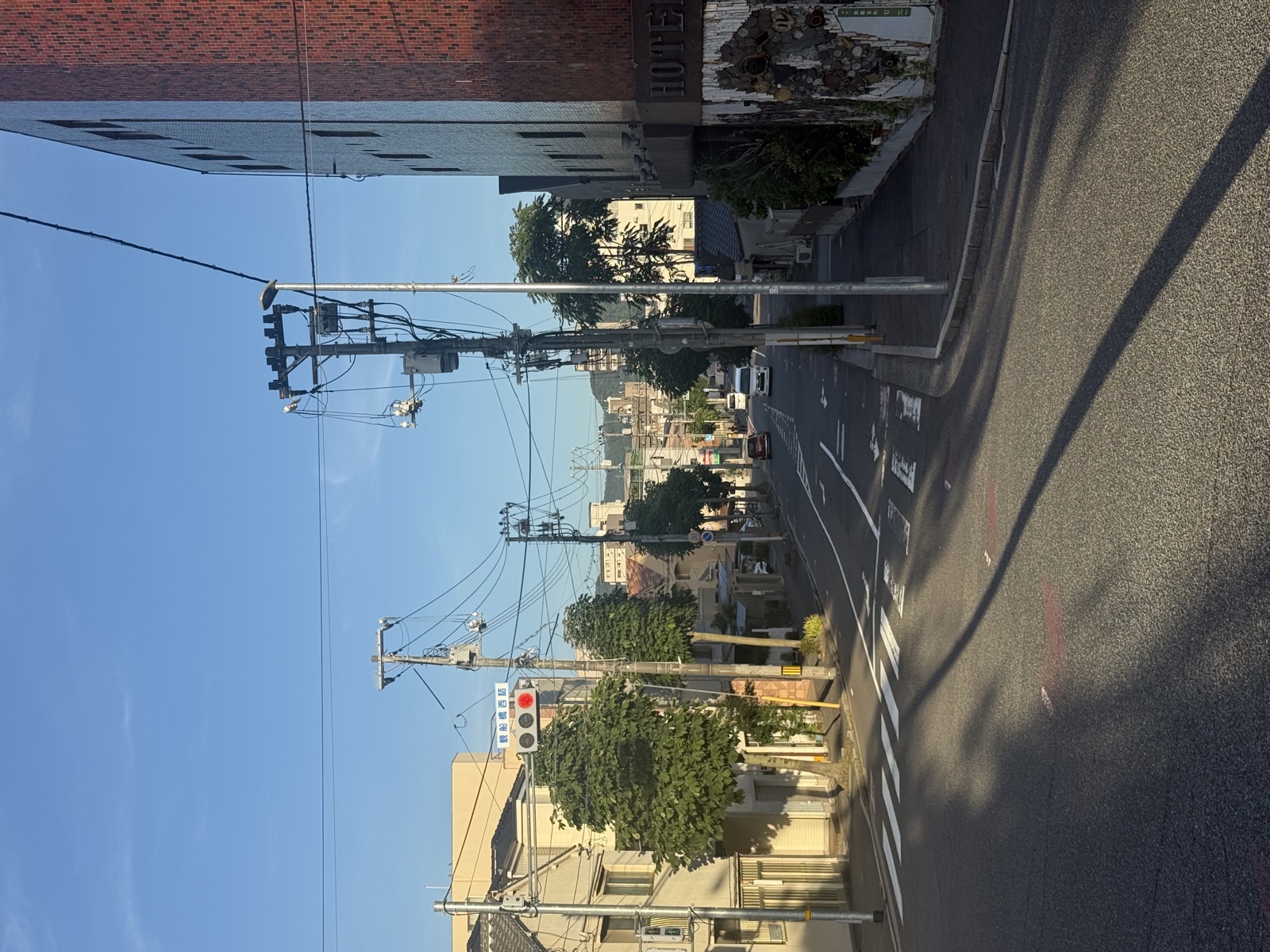
Yes, unambiguously. If I had to pick one season to send someone to Hiroshima for the first time, autumn would be it — not because of any single event, but because the city is simply easier to be in. Temperatures drop into the high teens and low twenties Celsius somewhere around mid-October, the brutal summer humidity is gone, and Peace Memorial Park goes from a sweaty ordeal to an actual pleasure to walk through. I’ve lived here long enough to feel the city exhale when October arrives. The tourist numbers thin out relative to the golden week and summer peak. Miyajima on a weekday in early November is a genuinely different experience from Miyajima in August — same island, different world. There are genuine tradeoffs: autumn also brings the tail end of the typhoon season in September and early October, and the famous momiji red maples on Miyajima can attract their own crowds during peak colour weeks. But on balance, yes. Worth it.
What’s the Weather Actually Like
September is still summer, essentially. The rainy season ends in mid-July, and August and September both run hot — mid-30s during the day, rarely below 25 at night. Typhoons are possible through late September and occasionally into October. I wouldn’t book a non-refundable ferry to Miyajima for late September without checking the forecast first.
October is the turning point. Around the second or third week, the temperature drops fast. By the end of October you’re looking at daytime highs around 18–22°C and nights that feel genuinely cool. For someone coming from Europe or North America, that’s hoodie weather. For someone from Southeast Asia, it might feel cold.
November is the sweet spot. Clear skies, low humidity, days warm enough to walk in a light jacket and cool enough that you’re not sweating through it. December comes in quickly on the heels of November — temperatures drop further, and by the last week of November you’re starting to feel winter.
The Autumn Leaves Question
Hiroshima isn’t Nikko. Nobody is flying here specifically for the autumn foliage. But the colour does come, and in a few places it’s genuinely beautiful rather than just pleasant.
Miyajima is the main draw. The island has Japanese maple trees running along the path up toward Misen, and when the timing is right — usually somewhere in mid-to-late November, though it shifts a few days each year — the combination of red leaves, the vermilion torii, and the deer wandering through is legitimately striking. The problem is that this exact window is also the most crowded the island gets outside of summer. If you’re going during peak colour on a weekend, factor in ferry queues.
Shukkeien Garden in the city centre is underrated for autumn colour. It’s small, the entrance fee is modest [VERIFY: current Shukkeien admission price], and the combination of maples and the central pond makes for a slow hour that doesn’t require any transit.
Hijiyama Park, about a 15-minute ride from the city centre, has maples scattered across its slopes and gets far fewer visitors than Miyajima. I went on a Tuesday afternoon in November once and had whole sections of the hillside to myself.
Crowds vs Summer
Autumn is busy, but differently busy from summer. The core Peace Park and Miyajima circuit draws people year-round. What changes is the texture of the crowd — fewer school groups in the October school holiday weeks, fewer domestic travellers than during summer Obon, and a higher proportion of international visitors doing a Japan trip in October and November specifically because they know about the foliage.
Peace Memorial Museum is honestly about the same. That attraction doesn’t have a slow season. Go on a weekday morning and accept that you’ll share it.
Where autumn genuinely improves the experience is anywhere outdoors. Walking along the Motoyasu River in October, or doing the path from Omotesando up toward Misen without arriving soaked — those experiences are meaningfully different from their summer equivalents.
What About October vs November
October is drier and more reliable, though early October still carries typhoon risk. If you have flexibility, mid-to-late October is close to ideal: the heat is gone, the foliage hasn’t started yet so Miyajima isn’t at peak crowd, and you get the best of the shoulder season.
November is better for foliage but carries more crowd risk in the second and third weeks. If colour isn’t the point and you just want pleasant weather, aim for the first two weeks of November.
Practical Notes Before You Go
A light jacket is necessary by late October. A proper coat or a layering system is useful in November — evenings drop into the single digits in late November. The city is easy to navigate by streetcar year-round, which I wrote about in more detail in the Hiroshima streetcar guide. Cash remains useful at smaller places and on the ferry to Miyajima, though the card situation has improved considerably since a few years ago — the cash vs cards question is worth reading before you arrive.
If you’re doing the classic one-day circuit, the Hiroshima and Miyajima in one day guide lays out the timing. In autumn the ferry schedule doesn’t change much, but the light fades faster than in summer — factor that in if you’re hoping for sunset at the torii.