Is Hiroshima Safe for Solo Female Travelers?
Yes, Hiroshima is one of Japan's easier cities for women traveling alone. A local covers night safety, neighborhoods, and honest practical tips.
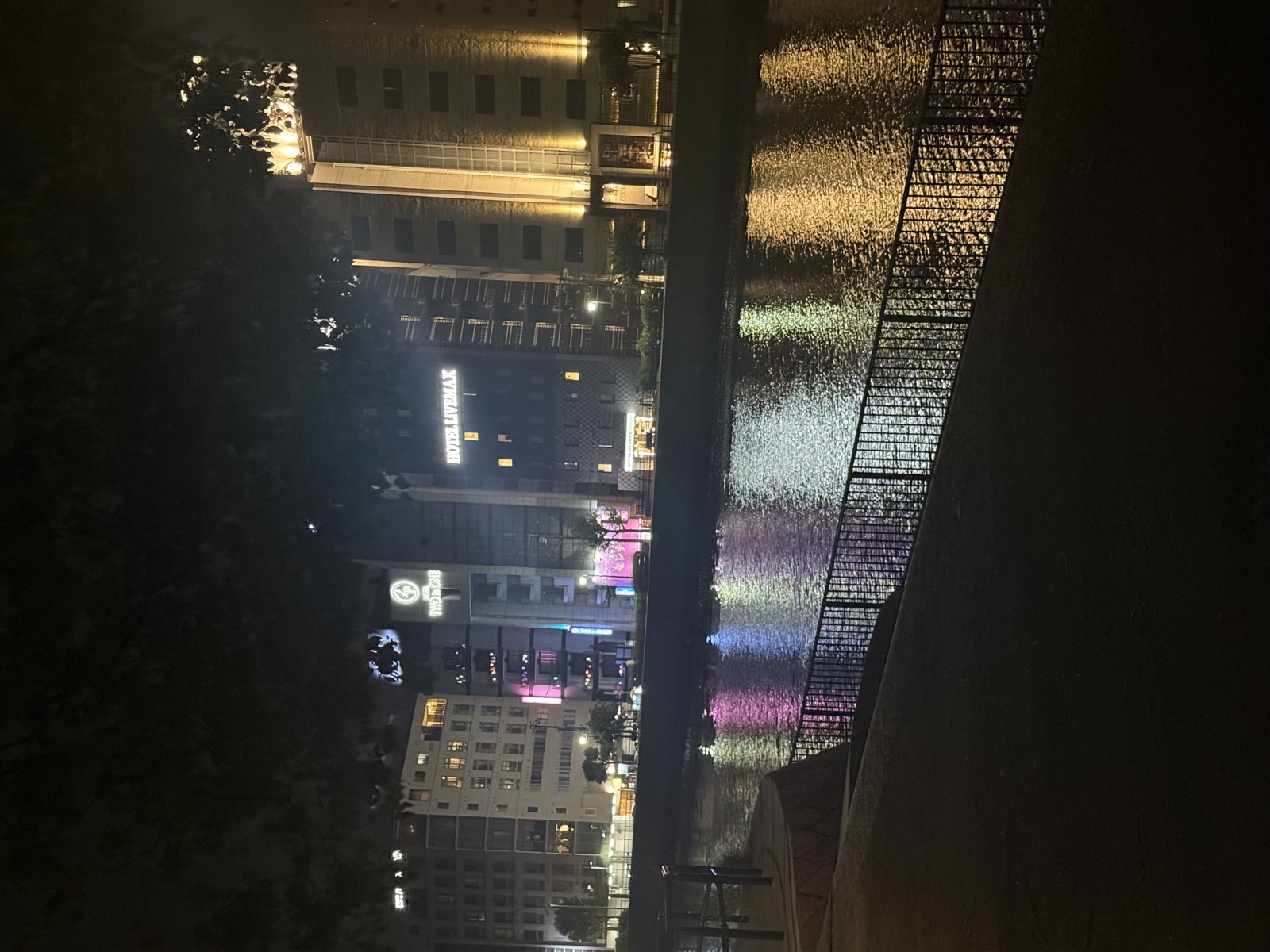
Yes. Hiroshima is one of the easier cities in Japan for a woman traveling on her own, and the main reason is mundane: violent crime is rare, the streetcars run late, and walking back to your hotel alone at night is something locals do without a second thought. I live here, and I’ve walked friends to the tram stop at one in the morning more times than I can count. None of that means you switch your brain off. The honest answer is that the risks here are small and ordinary, the kind you manage with the same habits you’d use anywhere, rather than the kind that should keep you from coming. Below I’ll go through what actually feels safe, where you do want a little more attention, and the small things that make a solo trip here smoother. This is a practical local read, not a scare piece and not a brochure.
Why It Generally Feels Safe
Japan has very low rates of violent crime, and Hiroshima is no exception. As a city of a bit over a million people, it’s big enough to have real nightlife and small enough that the central area feels legible after a day or two. The places most travelers spend time, around Peace Memorial Park, the Hondori shopping arcade, Kamiyacho, and Hatchobori, are busy, well lit, and full of ordinary people running errands well into the evening.
Public transport helps a lot. The Hiroden streetcars and the buses are used by everyone, including women heading home alone late, and nobody treats that as unusual. Convenience stores are open all night and double as well-lit safe stops if you ever feel unsure. If you want the transit details, my Hiroshima neighborhoods guide breaks down which areas sit where.
Walking Around at Night
Honestly, the part that surprises a lot of first-time visitors is how normal it is to walk alone after dark. I’ve done it for years and so have most women I know here. The central districts stay lively, and even the quieter residential streets between them feel calm rather than tense.
The nightlife pockets are the one place to stay a little more aware, and not because they’re dangerous. Nagarekawa and Yagenbori are the main drinking quarters, and like any bar district anywhere they get loud and a touch messy on weekend nights. The realistic annoyance is a drunk person being clumsy or a tout outside a club trying to wave you in, not anything worse. A firm no and a steady walk past handles almost all of it. If you’re planning an evening out solo, I wrote a fuller piece on Hiroshima nightlife for solo travelers that covers which kinds of places are comfortable on your own.
What Actually Goes Wrong
Let me be straight about the real risks, because pretending there are none is its own kind of dishonest. The most common problems for any traveler here are small: a forgotten bag, a missed last tram, getting turned around in an arcade that all looks the same. Pickpocketing exists but is uncommon. The thing women should know about specifically is that crowded trains in Japan have a known issue with groping, and while Hiroshima’s local trams are rarely packed the way Tokyo’s rush hour is, it’s worth knowing the word “chikan” and knowing that calling it out loudly is socially backed here.
Scams aimed at tourists are not really a Hiroshima thing. The aggressive-bar-bill trap you hear about in parts of Tokyo isn’t a pattern I see here. Stick to bars where prices are posted or where you can see other customers, and you’ve removed most of that risk anyway.
Small Habits That Help
None of this is special advice, just the ordinary stuff. Keep your phone charged and screenshot your hotel’s name in Japanese, since taxi drivers and signage won’t always be in English (more on that in my piece on whether English is widely spoken in Hiroshima). Carry some cash even though cards work in most central spots; smaller bars and older shops are still cash-only, which I get into in do you need cash in Hiroshima. Note where the nearest koban, the small neighborhood police box, sits relative to your hotel, because officers there help with directions and lost items as a matter of routine. And trust the instinct that works everywhere: if a place or a person feels off, leave. You’ll almost never need to.
For a sense of how much time to give the city, my answer on how many days you need in Hiroshima might help you plan the rest.
The Bottom Line
Hiroshima is a city I’d send my own sister to alone without worrying, and that’s about the most honest endorsement I can give. Use the same sense you’d use in any unfamiliar place, keep an eye out in the late-night bar streets, and the odds are overwhelmingly that your only real problems will be a sore feet and too many okonomiyaki options.