Hiroshima Teppanyaki: A Local's Guide to Iron Plate Dining
A local's honest guide to Hiroshima teppanyaki: the restaurants worth seeking out, wagyu and grilled oysters, which areas to book in, and what to order.
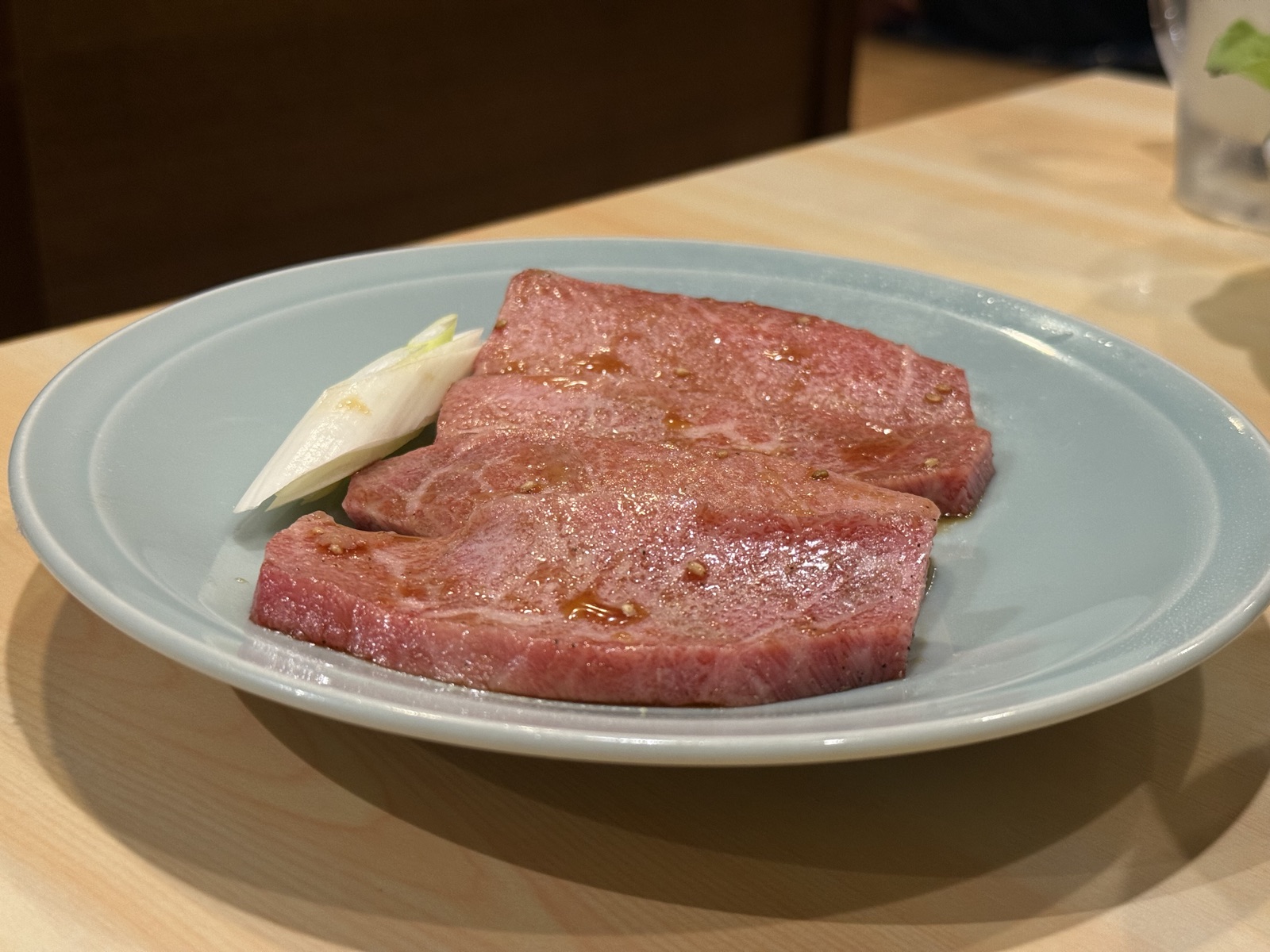
Teppanyaki in Hiroshima occupies a strange middle ground. It’s not the city’s defining dish the way okonomiyaki is, and it doesn’t have the cult following that tsukemen has built over the past decade or so. But there’s a real teppanyaki dining culture here, spread across neighborhood restaurants, hotel grills, and a handful of places that have been doing the same thing for thirty-plus years. I’ve lived in Hiroshima long enough to have strong feelings about where to sit down with an iron plate in front of me, and most of those feelings run counter to what the tourist guides suggest. The short version: avoid the obvious touristy clusters around Hondori, don’t assume a teppanyaki counter attached to a hotel is automatically better than an independent place, and pay attention to what’s on the menu beyond the showpiece cuts of beef. Hiroshima’s best teppanyaki meals aren’t always the most expensive ones.
What Teppanyaki Actually Is in Hiroshima (Versus What You Might Expect)
The word itself is literal: teppan is the iron plate, yaki is the grilling. That makes the category broader than most visitors realize. Okonomiyaki is technically teppan cooking. So is the thin-sliced beef you see people eating at casual counters in Nagarekawa. So are the high-end beef restaurants that get all the attention. In Hiroshima the term tends to land in the middle, between okonomiyaki, which carries its own cultural weight here, and the theatrical Kobe-beef show you might picture from elsewhere.
If your reference point for teppanyaki is the performance-restaurant model from North America or the big export-facing places in Tokyo, Hiroshima will feel different. Here, teppanyaki tends to be quieter. The chef is usually on the other side of a flat iron plate, working steadily without a lot of showmanship. You watch the cooking, yes, but the focus is on the food rather than the experience of watching food being cooked.
That said, there’s a real spectrum. At the higher end, you’re looking at full kaiseki-style courses built around Hiroshima Wagyu, with the teppan as the main event. In the middle range, you’ll find standalone restaurants where a course runs somewhere in the ¥6,000–¥12,000 territory and you might get oysters, local vegetables, and a seafood plate before the beef. At the casual end, places open for lunch do teppan-grilled set meals for under ¥2,000, usually chicken or pork, rice, soup, and pickles.
Most visitors end up in the middle range and are happy there. The higher end is genuinely excellent but requires booking well in advance, especially if you want to sit at the counter. The casual end is underused by tourists and worth knowing about if you’re spending multiple days in the city.
Hiroshima Wagyu: Worth the Premium?
The honest answer is: sometimes. Hiroshima Prefecture produces its own wagyu, and it’s legitimately good: well-marbled, not as intensely fatty as Kobe-marketed beef, with a cleaner finish. When it’s sourced carefully and cooked on a properly seasoned teppan, you understand immediately why people pay for it.
The problem is that not every place calling itself a teppanyaki restaurant in Hiroshima is using local wagyu, and even among those that are, the quality varies more than the price difference would suggest. I had one meal a couple of years ago at a place near Hatchobori that was charging Hiroshima Wagyu prices for something that tasted like grocery-store sirloin. The restaurant was perfectly nice. The beef wasn’t.
It helps to know the cuts. The ones you’ll see most often at teppanyaki counters in central Hiroshima are ribeye, sirloin, and occasionally tenderloin. Ribeye is the safe pick if you’re sharing and want something everyone can agree on. Tenderloin is leaner and cooks fast, which a skilled teppan chef handles well. Sirloin has the most variation between cuts: sometimes great, sometimes just fine.
At the premium end you’ll see grades like A4 and A5 on the menu. These come from the JMGA grading scale, where yield and marbling are scored together, and A5 is the top grade, priced to match. Honestly, A4 is often the better call for a full meal, because A5 in any real quantity becomes very rich very quickly. A regular at one counter told me the A4 ribeye was his actual recommendation for a two-person dinner, not the A5 that gets top billing on the menu.
If wagyu is your main goal, ask specifically about the sourcing before you sit down. A good teppanyaki restaurant will know exactly where the beef came from and will tell you without hesitation. If you get vague answers, adjust your expectations accordingly.
Oysters and Seafood on the Iron Plate
For visitors who aren’t specifically chasing wagyu, Hiroshima teppanyaki gets most interesting when you focus on seafood instead. The prefecture farms more oysters than anywhere else in Japan, and a teppanyaki counter is one of the better places to eat them. Grilled briefly on the hot plate, sometimes with a butter-soy finish, sometimes with nothing more than a squeeze of lemon, the good versions come off while the edges have just tightened and the liquid inside has concentrated rather than spilled out. Hiroshima’s oyster season peaks around January and February, and a teppan counter in those months can feel like the most logical way to eat them.
The tell is timing. In-season oysters are already fatty and briny enough to carry the dish, so a chef who knows them gets them off the plate while they’re still a little glossy inside. If they arrive rubbery and shrunken, they stayed on too long.
If you’re visiting outside oyster season, which roughly runs October through March, lean toward what’s actually in season instead. Sea bream and Japanese amberjack are reasonably reliable through the warmer months, and some places bring in cuttlefish and squid from the Seto Inland Sea. Ask what’s good that week rather than defaulting to the printed menu.
The Nagarekawa and Yagenbori Area
Most of Hiroshima’s higher-end teppanyaki restaurants are concentrated in the central nightlife belt running through Nagarekawa and Yagenbori, roughly between Hatchobori and Kamiyacho on the east-west axis. This makes sense geographically: the area has money moving through it at night, which supports the kind of restaurant that needs customers willing to spend ¥15,000 per person.
The downside of this concentration is that the competition has also attracted a few places that are charging premium prices for mediocre execution. The tell is usually the room: if it feels like it was designed primarily for corporate entertainment groups and the menu is heavy on set-course options with no real flexibility, the food is probably fine but not memorable. The better counters in this area tend to have actual counter seating where you’re close to the chef and can watch the cooking properly, not a raised teppan table where you’re seated on the other side of a glass partition.
Hatchobori and Kamiyacho, just east, hold a sparser but slightly more upscale cluster, including several of the reservations-required beef restaurants. If you’re planning a special-occasion dinner, that’s the pocket to research. A lot of these places sit on upper floors and are easy to walk past from the street, so the address matters more than the storefront.
Nagarekawa nightlife is dense enough that it’s worth walking the area before you commit to a reservation, if you’re flexible on timing. A few places don’t take reservations for the early counter slots anyway.
Lunch Teppanyaki: The Underrated Option
This is genuinely underused. Several teppanyaki restaurants in central Hiroshima open for lunch with significantly shorter courses and prices that make the whole thing accessible. I went to one near Otemachi on a Wednesday maybe six months ago and was the only customer for the first twenty minutes: just me, the chef, the iron plate, and a pork and vegetable set that was better than most dinner teppanyaki I’d had in that price range elsewhere.
Lunch sets at serious teppanyaki restaurants typically run ¥1,800–¥3,500 and often include the chef’s vegetable and protein choices for the day, a soup, rice, and sometimes a small dessert. You’re not getting the wagyu courses, but you’re getting the same iron plate, the same sourcing (usually), and often a more relaxed interaction with the chef than you’d get in a busy dinner service.
If you’re visiting Hiroshima on a weekday and have a morning at Peace Memorial Park or Hiroshima Castle, lunch teppanyaki in the Otemachi area is a good way to break up the day without committing to an expensive dinner. Check the Otemachi food guide for the general lay of the land in that part of central Hiroshima.
Hotel Teppanyaki: A Specific Type of Reliable
Hiroshima has a handful of hotel restaurants with teppanyaki counters. The Grand Prince Hotel and a couple of the larger city-center hotels all have them. My take on hotel teppanyaki is fairly specific: it’s reliable, it’s consistent, it’s English-menu-friendly, and it almost never surprises you in either direction.
For first-time visitors who are anxious about the ordering process, don’t speak Japanese, or are coming in a group that’s hard to please, hotel teppanyaki solves a lot of problems. The counter experience is essentially the same as an independent place, the ingredients are usually good quality, and you can book without any language difficulty. Worth it for those reasons.
For people who already feel comfortable in Japanese restaurants, or who are specifically looking for the best version of the food, the independent counters in Nagarekawa and Yagenbori will almost always outperform the hotel options at the same price point. Not always, but usually.
What to Order Beyond the Obvious Cuts
A few things that often get ignored on teppanyaki menus in Hiroshima:
The garlic rice at the end of a course. This sounds minor but it’s genuinely one of the better things about a teppanyaki meal when it’s done right: the rice fried directly on the iron plate in the beef residue left from the previous course, with sliced garlic cooked down until it just starts to brown. It’s the part that makes the meal feel complete, so don’t fill up on rice or bread beforehand. It’s not always offered, and when it is, it sometimes costs extra. Ask.
Seasonal vegetables from Hiroshima Prefecture. A lot of menus list these generically, but the actual produce varies by season and tends to be very good. In summer you’re looking at corn, zucchini, and mushrooms from the mountainous parts of the prefecture. In autumn, root vegetables. Ask the chef what’s fresh that week if you can, since even a limited exchange is usually appreciated.
Seafood starters before the beef. Scallops and prawns grilled on the teppan are a standard opening, and most places do them well, but the local seafood is the distinguishing element. If the menu offers Hiroshima oysters as an opener, that’s usually the right call. If it offers Hiroshima-caught prawns, that’s also worth the extra cost.
Is It Worth It Versus Okonomiyaki?
This is the question I get whenever someone has one free evening in Hiroshima and is trying to decide. The honest answer is that the two aren’t really competing.
Okonomiyaki is the city’s signature and probably the more distinctly Hiroshima thing to eat: the layered construction, the yakisoba noodles pressed inside, the way every neighborhood defends its own version. If you only have one meal, that’s likely the call, and the okonomiyaki guide covers the specific counters worth sitting at.
But teppanyaki is the better choice for a longer dinner with drinks. The pacing works with sake or beer alongside, the counter format rewards lingering, and the run from seafood through beef to garlic fried rice adds up to a complete meal in a way a single okonomiyaki doesn’t quite. If you have two evenings, do both.
Practical Logistics: Booking, Language, Timing
A few specifics that matter more than the usual travel advice:
Booking. For the higher-end counter seats (anything with a full wagyu course over ¥15,000 per person), book at least a week in advance for weekdays and further in advance for Friday and Saturday. Counter seats at these places are usually four to eight spots, and they sell. Lunch is easier, and many places take walk-ins for the lunch service.
Language. Most independent teppanyaki restaurants in the Nagarekawa and Yagenbori area have some English-language menus, and Google Translate handles the rest reasonably well. The staff are used to non-Japanese-speaking customers at the dinner hour. At lunch-only local spots near Otemachi, the language situation is more casual, and ordering by pointing at a physical menu or picture board usually works fine.
Timing. Dinner service typically starts at 18:00 or 18:30. If you want the counter for the early slots, book specifically for that time, and don’t leave it ambiguous. The late slots (from around 19:30) tend to fill with business groups who are there for the long haul, and the energy in the room changes. Neither is better, just different.
For context on how Hiroshima’s dining scene structures itself into areas and neighborhoods, the Hiroshima restaurant district guide has a useful breakdown of which parts of the city specialize in which kinds of eating.
Teppanyaki for Solo Diners
Actually one of the better meal formats for solo diners. The counter setup means you’re naturally facing the chef rather than a table where a solo diner looks conspicuous. Most teppanyaki restaurants have no problem seating single customers, including at dinner, which is not always the case for other restaurant formats in Japan. If you’re traveling alone in Hiroshima and want a proper sit-down meal that doesn’t feel awkward, teppanyaki works well. The solo dining guide covers this more broadly if you’re navigating Hiroshima’s restaurant scene on your own.
The social dynamic at a teppanyaki counter actually encourages brief exchanges with the chef: about what’s good that day, about the specific cut being prepared, about where the vegetables came from. None of it requires fluent Japanese. It’s one of the more comfortable solo eating experiences I’ve had in Japan, and I’ve had a lot.
My Otemachi Rotation
For a proper sit-down meal in central Hiroshima before or after teppanyaki, MORETHAN Hiroshima is the place I keep landing. It’s on the ground floor of THE KNOT Hiroshima in Otemachi, open from breakfast through dinner with a cafe shift in the afternoon, and it runs a charcoal grill that uses seasonal Hiroshima ingredients without the formality of an upscale restaurant. I’ve had long lunches there that ran into the mid-afternoon without anyone making me feel like I needed to move. The charcoal grill menu changes with the season, and the room is comfortable enough that you can think straight after a full morning of sightseeing.
For a drink to close the evening, VUELTA is a small craft cocktail bar in Otemachi I drop into fairly often. Sixteen seats, quiet, serious about ice and dilution in a way that matters if you care about cocktails. Walk-ins are fine most nights, though booking ahead through their site makes sense on a Friday or Saturday.