Saijo Sake Town: A Local's Guide to Hiroshima's Breweries
How to visit Saijo sake town near Hiroshima: getting there, the Sakagura-dori brewery walk, tastings, and when to go. An honest local guide.
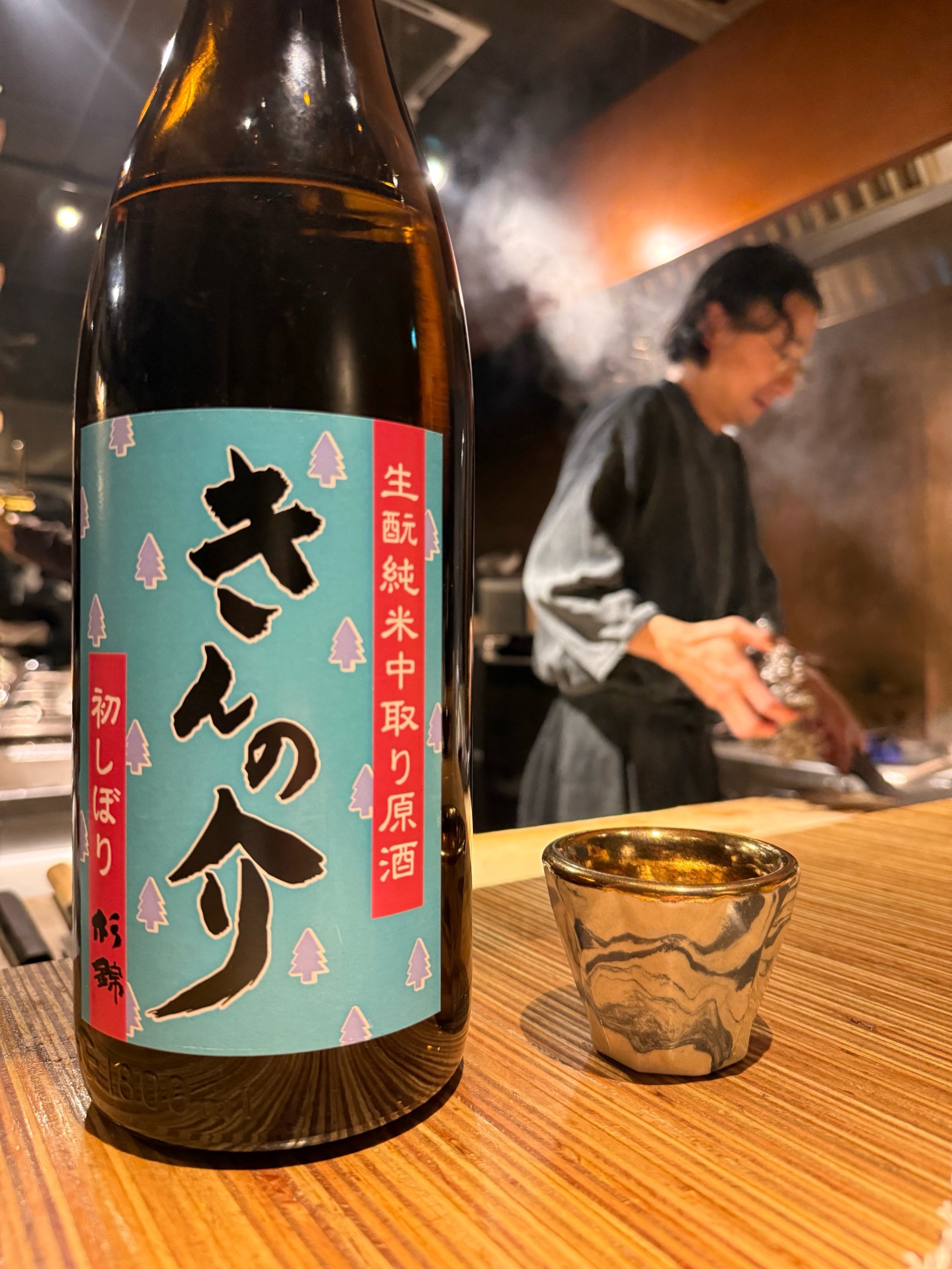
Saijo is the easiest serious sake trip you can make from Hiroshima, and most visitors never hear about it. It sits about 35 to 40 minutes east of Hiroshima Station on the JR Sanyo Line, in the city of Higashi-Hiroshima, and the brewery district starts almost the moment you step out of the station. Half a dozen working breweries cluster within a short flat walk, their white storehouse walls and red brick chimneys lined up along one main street. I live in Hiroshima and go out there a few times a year, usually when a friend visits and wants something that isn’t another bowl of okonomiyaki. It is one of Japan’s three great sake regions, alongside Nada in Kobe and Fushimi in Kyoto, but it feels nothing like a tourist machine. You can taste, wander, and be back in the city by dinner. This guide covers how to get there, what the walk is actually like, when to go, and what I’d skip.
Here’s the short version if you only read one paragraph. Take the JR Sanyo Line from Hiroshima Station to Saijo, walk out the south side, and you are basically already in the brewery district. Give yourself a half day. The single best thing to do is just walk Sakagura-dori slowly, ducking into two or three breweries to taste rather than trying to hit all of them, and fill a small bottle at one of the free spring-water wells along the way. If you happen to be here on the first Saturday and Sunday of October, that’s the Sake Festival, which is a completely different and much more crowded experience. The rest of the year it’s quiet, and quiet is when I like it most.
Why Saijo Is Worth the Train Ride
Saijo earns its reputation honestly. The water coming off the mountains here is soft and clean, the winters are cold enough for slow fermentation, and brewers have been working this ground for well over a century. That combination is the whole reason a small inland town ended up as one of the country’s named sake capitals.
What makes it worth your time as a traveler is the density. In most of Japan, visiting a sake brewery means a taxi ride out to one isolated kura in the countryside. In Saijo, the breweries are stacked along a single walkable street, so you can compare three or four houses in an afternoon without ever getting in a car. You start to notice how different each one tastes, drier here, rounder there, and that’s the part that sticks with people.
It also doesn’t feel staged. These are functioning breweries, not a theme park built around them. On a weekday you’ll see delivery trucks, workers in aprons, steam rising off something out back. The town goes about its business and lets you watch.
Getting to Saijo from Hiroshima
The ride is simple. From Hiroshima Station, take a local or rapid train on the JR Sanyo Line bound for the east (toward Mihara or Itozaki) and get off at Saijo. It runs roughly every 15 to 20 minutes through the day, and the trip takes about 35 to 40 minutes depending on whether you catch a rapid service. Your ICOCA or any IC card taps straight through the gate, so there’s no ticket machine to puzzle over. If you want exact current fares and timetables, the JR West English site is the reliable source.
Don’t take a Shinkansen for this. Saijo does have a Shinkansen platform, but only a handful of trains stop there and the local line costs a fraction of the fare for almost the same journey time once you factor in waiting. Save the bullet train for Osaka.
One practical note. The brewery district is on the south side of Saijo Station, and almost everything you want is within a flat ten-minute radius. There’s no real need for a bus or taxi once you arrive. If you can read a transit card, you can do this whole trip without speaking a word of Japanese, though a little goes a long way inside the breweries themselves.
The Sakagura-dori Brewery Walk
The spine of the district is Sakagura-dori, the brewery street, and walking it is the actual attraction. You’ll pass a run of old storehouses with white plastered walls, dark tiled lower sections, and the tall red brick chimneys that used to vent the boilers. Several of the houses still have their old wells out front, and the water from them is genuinely good. People bring empty bottles to fill. I usually carry a small one in my bag for exactly this.
The brewery names you’ll see on the chimneys and gates include Kamotsuru, Kamoizumi, Hakubotan, Saijotsuru, Kirei, and a few others, most within a couple of blocks of each other. Kamotsuru is the famous one, the house whose top daiginjo was poured at a state dinner for President Obama, and its tasting space is the busiest. That doesn’t make it the best stop for everyone. Some of the smaller houses are friendlier and less rushed, and you’ll often have the counter to yourself.
My honest advice is to resist the urge to collect all of them. Pick two or three, taste properly, talk to whoever is pouring, and let the rest be scenery. Six breweries of sake tasting in two hours is not a tasting, it’s a headache, and you’ll remember none of it. Go slow. Sit on a bench. The town isn’t going anywhere.
What the Breweries Actually Offer
Inside, the experience varies house to house. Some breweries run a proper shop with a tasting counter where you can try a flight of their range, from a crisp everyday junmai up to a polished daiginjo. Some pours are free, others carry a small fee, and a few of the bigger houses offer short guided looks at the brewing areas during the colder production months. Fees and tour availability change with the season, so I’d check each brewery’s own page before counting on a tour. [VERIFY: current tasting fees and whether brewery tours are running for the season]
If you don’t know sake well, this is a low-pressure place to learn. The staff are used to visitors who can’t read the labels, and most are happy to point you from something light and floral toward something fuller. Tell them what you usually drink, beer, wine, whatever, and they’ll steer you. I’ve watched people who swore they didn’t like sake walk out with two bottles because someone took five minutes to find the right one for them.
Buying is easy and worth doing. A bottle from a small Saijo house makes a far better souvenir than anything in the station gift shop, and many of these labels are hard to find outside the region. If you’re flying out of Japan soon, just be mindful of liquid limits in your luggage.
When to Go: The Sake Festival and the Quiet Months
The big event is the Saijo Sake Festival, held over a weekend in early October. It’s one of the largest sake events in the country, drawing enormous crowds, with a central tasting venue that gathers hundreds of sake from breweries all over Japan in one place. It is genuinely fun and genuinely packed. If a festival atmosphere is what you want, go, but book your trains and any nearby lodging well ahead, and accept that you’ll be shoulder to shoulder. Check the official festival site for the current year’s dates before you plan around it.
Honestly, though, I prefer Saijo on an ordinary autumn or winter weekday. Late autumn through winter is brewing season, when the air smells faintly of steaming rice and the town feels most alive in a working sense. The breweries are calm, you can actually talk to people, and the cold makes a warm tasting room feel like a reward. Spring and early summer are pleasant too, just without the production-season atmosphere. Midsummer is fine but hot, and the walk has little shade.
Whichever season you pick, go during the day. Most brewery shops keep daytime hours and close by late afternoon, so this is a lunch-and-early-afternoon trip, not an evening one. [VERIFY: current opening hours for the breweries you plan to visit]
What to Eat in Saijo
Saijo isn’t only about drinking. The local specialty is bishu nabe, a hot pot simmered with sake instead of much water, which makes a lot of sense in a brewing town and is exactly the kind of thing to eat on a cold day. You’ll find a few restaurants around the district serving it, along with the usual run of casual lunch spots near the station.
There’s also a sizable student population here thanks to Hiroshima University nearby, which means cheap, decent everyday food is easy to come by if you just want a quick bowl of something before the train back. I wouldn’t make a special food pilgrimage to Saijo, but you won’t go hungry, and eating local while you taste local sake is the right way to do it.
Practical Info
The genuinely useful numbers, kept short:
- Train: JR Sanyo Line, Hiroshima Station to Saijo
- Journey time: approx. 35–40 min (local or rapid)
- Frequency: roughly every 15–20 min through the day
- Payment: ICOCA / IC card taps through; no reserved seat needed
- District location: south side of Saijo Station, flat 10-min walk
- Best time of day: late morning to mid-afternoon
- Festival: Saijo Sake Festival, early October weekend
- Fares and timetables: confirm on the JR West English site
Half a day is plenty. If you want to stretch it, Saijo pairs well with an early start and a relaxed evening back in central Hiroshima.
A Few Places I’d Send a Friend To
Since Saijo wraps up in the afternoon, the natural move is to head back into central Hiroshima for the evening.