Hiroshima Mornings: A Local's Breakfast and Walks Guide
Where to grab coffee, eat breakfast, and walk early in Hiroshima before the crowds arrive. A local's honest take on the city's quiet hours.
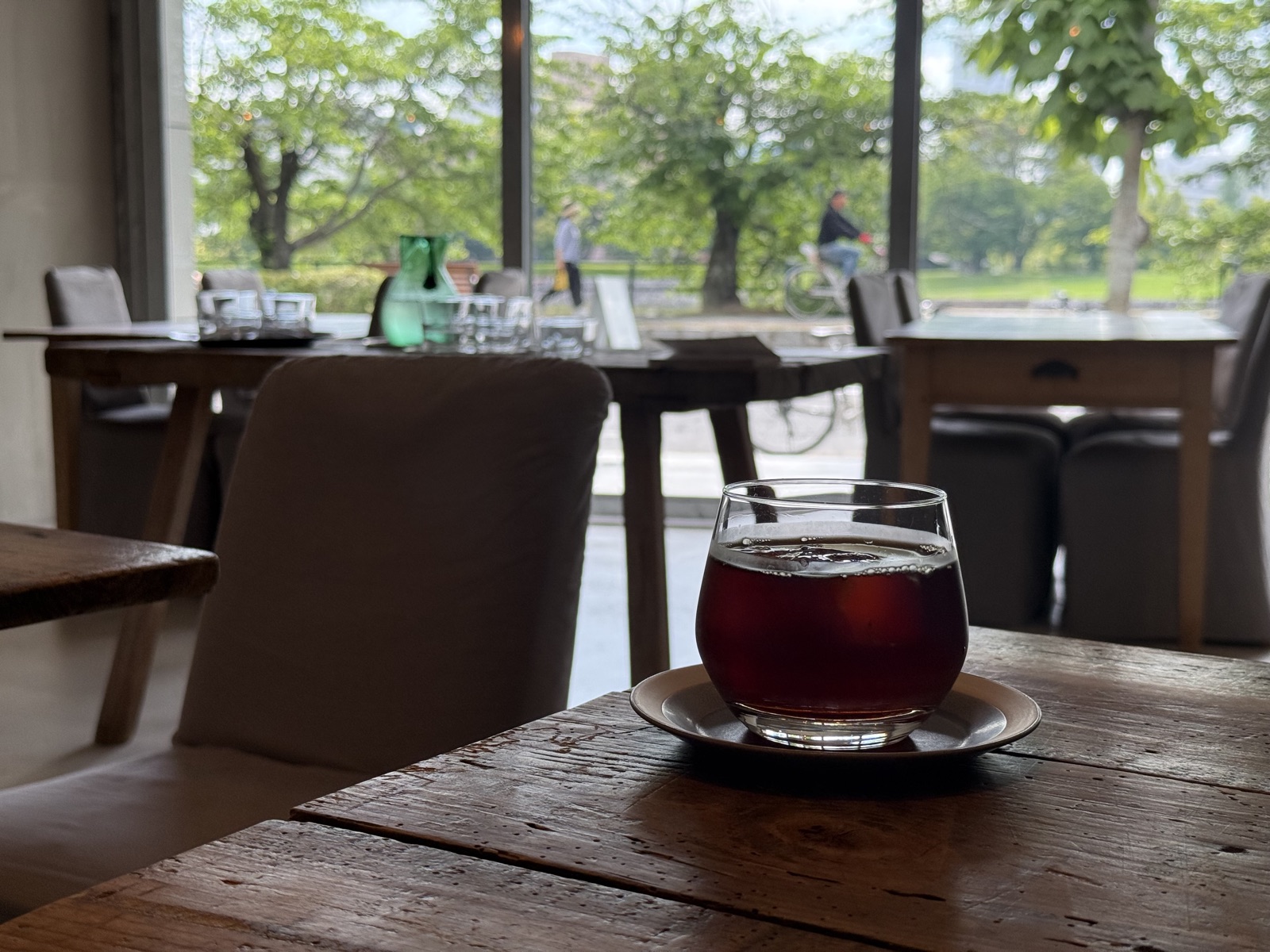
Hiroshima rewards early risers more than most Japanese cities. Peace Memorial Park is at its best before 8 AM, when the gravel paths are nearly empty and the heat hasn’t pressed down yet. The Hiroden streetcars start running around 5:30. Independent coffee places open between 8 and 9, hotel restaurants slightly earlier. I’ve lived here for years, and the morning shift is still my favorite part of the day, even now, after running around all evening for work. This guide is what I’d tell a friend visiting for two or three days: where to actually go for breakfast that isn’t a chain, how to time Peace Park so you don’t end up in a tour-bus stream, and which mornings to skip the museum and walk along the river instead. It isn’t a sprint plan. The point is to use the early hours well so the rest of the day doesn’t feel rushed.
If you only read one thing here before going to bed: be in Peace Memorial Park by 8 AM if you want it quiet, eat breakfast at a hotel restaurant or a kissaten rather than a chain if you can, and use the streetcar after 9 to avoid commuter density. Everything else below is detail. The morning in Hiroshima isn’t a long list of tasks. It’s a window of maybe four hours where the city is at its most pleasant, and the trick is to spend that window on outdoor things and ease into indoor places as they open.
Why mornings are Hiroshima’s best window
Hiroshima is a small city, but it absorbs a lot of day-trippers. Tour buses from Kyoto and Osaka start arriving around 10. Cruise-ship coaches come in pulses depending on the port schedule at Itsukaichi or Ujina. By 11 the Atomic Bomb Dome is ringed by school groups in matching caps. None of this is bad, but it changes the texture of the place. Mornings, before 9, the city behaves like a normal regional capital where people are buying coffee on their way to work, not posing in front of monuments.
The other reason is heat. From late May through September, mornings are the only comfortable hours outdoors. By 10:30 the cicadas are loud enough to drown out conversation, and by noon you’re looking for shade in a way that shapes the rest of the day. The light at 7 AM along the Motoyasu River is also genuinely good for photos in a way the midday glare isn’t. Locals who run or walk for exercise do it before 8 in summer for a reason.
A practical note. Most of what’s worth seeing first thing is outdoor: the parks, the river paths, the dome. Indoor places (the Peace Memorial Museum, Shukkeien Garden, Hiroshima Castle keep) open at 8:30 or 9 at the earliest. Build the morning around outdoor things and ease into indoor as they open. That’s the whole structure.
Where to get coffee before 9
Hiroshima’s specialty coffee scene is small but real. Most independent roasters open between 8 and 9. A handful of chains (Doutor, Tully’s, Excelsior around Hiroshima Station and Hondori) open earlier, around 7. If you need caffeine by 7 AM and you’re not a hotel guest, those are the realistic options.
If you can wait until 8, the independent places are worth the extra hour. There’s a write-up of the city’s coffee scene in this guide to the best coffee in Hiroshima, and the short version is that most of the good roasters cluster around Honkawa, Naka-ku, and the western edge of Hondori. The roaster I keep returning to is along the Honkawa river, a short walk from Peace Memorial Park, which makes for a clean pairing: dome first, coffee second.
Convenience-store coffee in Japan is genuinely fine, by the way. A 7-Eleven or Lawson hot drip is around 110 yen and tastes better than most international airport coffee. If you’re walking from your hotel to Peace Park and don’t want to plan around opening hours, just stop at the konbini on the way. Nobody local thinks twice about it.
Breakfast that isn’t your hotel buffet
Most Hiroshima hotel breakfasts are fine but not memorable. If you want something different, there are a few real options in the center.
Hotel restaurants open to non-guests are the easiest path to a proper sit-down breakfast. MORETHAN at THE KNOT Hiroshima in Otemachi runs breakfast from 7 to 10. It’s a proper meal: eggs done well, bread that’s been through a real oven, coffee that didn’t sit in a thermos. Walk-in friendly. The room is light and quiet at 7:30 in a way most hotel restaurants aren’t. This is one of the few places in central Hiroshima where you can have an actual breakfast meeting before 9 without it feeling like a chain.
Morning toast culture (モーニング, “morning”) exists in Hiroshima but is more common in Nagoya and Osaka. A few kissaten-style cafes around Hondori and Kamiyacho offer a coffee-plus-toast set for around [VERIFY: typical morning set price] yen if you order before 10 or 11. They tend to be old-school, with fluorescent lighting and decades of cigarette smoke in the upholstery. Not for everyone, but worth one visit if you’ve never had Japanese morning toast.
For something casual and Japanese-specific, an onigiri from a konbini or a bakery sandwich works too. The bakery on the basement floor of Sogo at Kamiyacho and the one inside Hiroshima Station’s ekinaka both open early. Not exciting, but solid, and you can eat them on a bench in the park.
Peace Memorial Park before the crowds
If you only have one early morning in Hiroshima, spend it in Peace Memorial Park. Tour groups don’t typically arrive until 9:30 or 10. Before that, the park is mostly local joggers, dog walkers, and the occasional photography enthusiast. The Atomic Bomb Dome at first light is genuinely different from the Atomic Bomb Dome at noon. The light angles in low along the Motoyasu, the dome’s iron skeleton becomes graphic against the sky, and there’s no one in your shot.
The Peace Memorial Museum itself opens at 8:30 most of the year (check the official site for current hours and seasonal changes). If you’re going, line up at 8:15. The first 30 minutes after opening are the only window when you can move at your own pace through the exhibits. Past 10 AM, the school groups arrive in waves and the indoor flow slows to a shuffle.
For a morning that doesn’t include the museum (a legitimate choice, the museum is heavy and not everyone wants to start their day there), just walk. The path from the dome along the east bank of the Motoyasu, across to the Cenotaph, around the Peace Pond, and over to the Children’s Peace Monument is about 25 minutes of slow walking. Quiet, reflective, and you’re done before breakfast. Mild opinion: doing Peace Park first thing and the museum on a different day, ideally in the afternoon, is a better split than trying to do both in one morning.
Other morning walks if you’ve done Peace Park already
Second-time Hiroshima visitors often skip Peace Park or do it once and move on. The city has other good morning walks, and there’s a fuller list in this piece on Hiroshima for second-time visitors. A few that hold up specifically as morning options:
Shukkeien Garden in Kaminobori-cho opens at 9:00 in spring and summer. It’s a small Edo-period strolling garden, around 30 to 45 minutes if you walk slowly. Mornings the koi are active and the gravel paths aren’t yet trampled by tour groups. The entrance fee is modest, around [VERIFY: current Shukkeien adult admission] yen.
Hiroshima Castle grounds open earlier than the keep itself. You can walk the outer moat and the inner park from sunrise. The keep is a postwar reconstruction (the original was destroyed in 1945), but the moat, the trees, and the surviving stone foundations are the real thing. Morning light on the moat is one of the city’s quieter pleasures, and there are usually only a few local walkers around at 7.
The river paths along the Kyobashi-gawa and the Motoyasu are open all hours. From Otemachi south to the river-mouth area near the port is about 50 minutes of walking, with parks, sports fields, and bird life along the way. Plenty of locals run this stretch in the morning, especially in May and October when the weather is on your side.
For a longer walk, the Ushita-Asahi area in the north has hills and quieter residential streets. Not a tourist walk, but if you’ve already done the central sights, it’s a different side of the city.
Morning transit reality
The Hiroden streetcars start running around 5:30 to 6:00 depending on the line. JR Sanyo line trains through Hiroshima Station start around the same time. By 7:30 they’re full of commuters in dark suits. By 9 they thin out again. If your hotel is near Hiroshima Station and you want to head west to Peace Park, the streetcar from the station to Genbaku-Dome-mae takes around 15 to 20 minutes. There’s a longer piece on the Hiroden streetcar if you want the full ride mechanics.
Walking from a central Hiroshima hotel (Otemachi, Hatchobori, Kamiyacho) to Peace Park is 15 to 25 minutes. Comfortable in the morning, miserable in the August afternoon. In May and the first half of June you can walk anywhere in central Hiroshima before 10 without breaking a sweat.
ICOCA, Suica, Pasmo, and most other IC cards work on the streetcar and on JR. Pay when you exit the streetcar, not when you board. Cash works too but slows the queue at peak commuter hours. For longer-distance morning planning, the JR timetable at JR Odekake is the authoritative source for first-train times.
Places I actually go in the morning
If you want a real breakfast that isn’t a hotel buffet, MORETHAN Hiroshima on the ground floor of THE KNOT Hiroshima in Otemachi serves a sit-down breakfast from 7 to 10. I end up there several times a month for the eggs and the light. It’s also calmer at 7:30 than most central-Hiroshima cafes, easy to read a book or work for an hour without anyone hurrying you out. The area around it has more food options if you want to extend the morning into lunch, written up in this guide to where to eat in Otemachi.
For coffee, ARCHIVE COFFEE ROASTERS along the Honkawa river is the place I keep coming back to. It’s a small roaster a few minutes’ walk from Peace Memorial Park, with house-roasted beans and a counter for in-shop drinks. The owner is genuinely easy to talk to, which matters in a specialty-coffee setting where it often isn’t the case. Mornings, the light through the river-side windows is the best in the city. If you do the dome first and then come here at 8:30 for a pour-over, the timing lines up cleanly.
For a midday transition meal after a long morning walk, Udon-tei Sakae in Otemachi opens at 11:30 for lunch only, closed weekends and holidays. Worth checking the day before if you’re planning around it. A bowl of udon and a piece of karaage for around 1,000 yen makes a real meal without the formality of a longer lunch, and it’s a five-minute walk from MORETHAN if you’re already in the area.
Practical morning info
A few small things that don’t fit elsewhere. Sunrise in Hiroshima is around 5:05 in late June, 6:30 in late October, 7:15 in late December. If photography is the reason you’re out, plan around those times rather than the clock. Spring and autumn give you the easiest mornings: clear skies more often than not, mild temperatures, manageable humidity. Late May into early June is borderline, the rainy season usually starts around June 6 to 8. After that, mornings between rain bursts can still be the best window of the day, but you’ll want to check a weather app the night before.
Most public restrooms in parks are open from sunrise. Konbini are 24 hours. ATMs at 7-Eleven and Japan Post accept foreign cards reliably; the smaller bank-only ATMs sometimes don’t. If you need cash before 9 AM, head to a 7-Eleven, not a bank branch.
For a quieter Sunday morning, note that Hondori shopping street doesn’t really wake up until 10 or 11. If you want shops open, plan Sunday around outdoor things and visit Hondori in the afternoon.