Hiroshima in Late July: How the City Feels Before August 6
What Hiroshima is actually like in late July as August 6 approaches — crowds, heat, evening atmosphere, and how locals navigate the city.
Late July in Hiroshima is strange in a way that’s hard to explain until you’ve lived through it. The heat is serious — a wall of it from around nine in the morning, the kind that makes the pavement shimmer near Hondori. At the same time, the whole city is tilting toward a date on the calendar that most visitors don’t fully reckon with until they arrive. August 6 is not a museum event or an annual ceremony you can scroll past. It accumulates. The week before, the city fills differently. Paper lanterns appear in shop windows along Heiwa-odori. There are people at the riverbank in the evenings who seem to be doing nothing in particular but looking at the water. If you’re planning to visit Hiroshima in late July, knowing this rhythm makes the trip better — not heavier, just more honest. I’ve been through several of these late-July weeks now, and what follows is what it’s actually like to be here.
The Heat, Honestly
I’m not going to soften this. Late July in Hiroshima means temperatures somewhere between 33 and 37 degrees Celsius on most days, and the humidity makes it feel worse. The Ota River deltas mean the air holds moisture in a way that doesn’t happen in drier parts of Japan. If you’re walking from Peace Memorial Park to the Hondori shopping arcade, that maybe 15-minute stretch will soak through a light shirt.
What locals do: leave before 9:00 or after 17:00 for anything outdoors. The midday block, roughly 11:00 to 15:30, is when you want to be inside. The underground shopping areas beneath Hatchobori and Kamiyacho stations are air-conditioned and actually pleasant. Some of the best noodle shops in central Hiroshima are two or three floors underground, and in July that’s not a coincidence — it’s survival.
The mornings, though, are worth it if you can get up early. Peace Memorial Park before 8:00 is a completely different place than Peace Memorial Park at noon. Quiet. The light on the Atomic Bomb Dome is better. I went one Tuesday last summer at 7:30 and stayed for almost an hour without feeling rushed or surrounded.
What Changes in Late July
The calendar shift is noticeable if you’re paying attention. Around the third week of July, the city starts preparing. This isn’t overt — Hiroshima isn’t a city that performs its own solemnity. But there are things you notice. The Heiwa-odori boulevard gets cleaned more carefully. Paper lanterns begin appearing. A few stalls near the park sell toro nagashi supplies (small wooden boats for the lantern floating ceremony on the evening of August 6).
The Peace Memorial Museum also changes slightly in character. It’s busier in late July than at any other point in the year except around the ceremony itself, and not just with international visitors. Japanese school groups arrive in significant numbers. The exhibitions feel more inhabited, which is the right word — not heavier, exactly, but more present. Lines can run [VERIFY: approximate wait time in late July] on weekday afternoons. Going at 9:00 when it opens is the obvious answer, and it genuinely makes a difference.
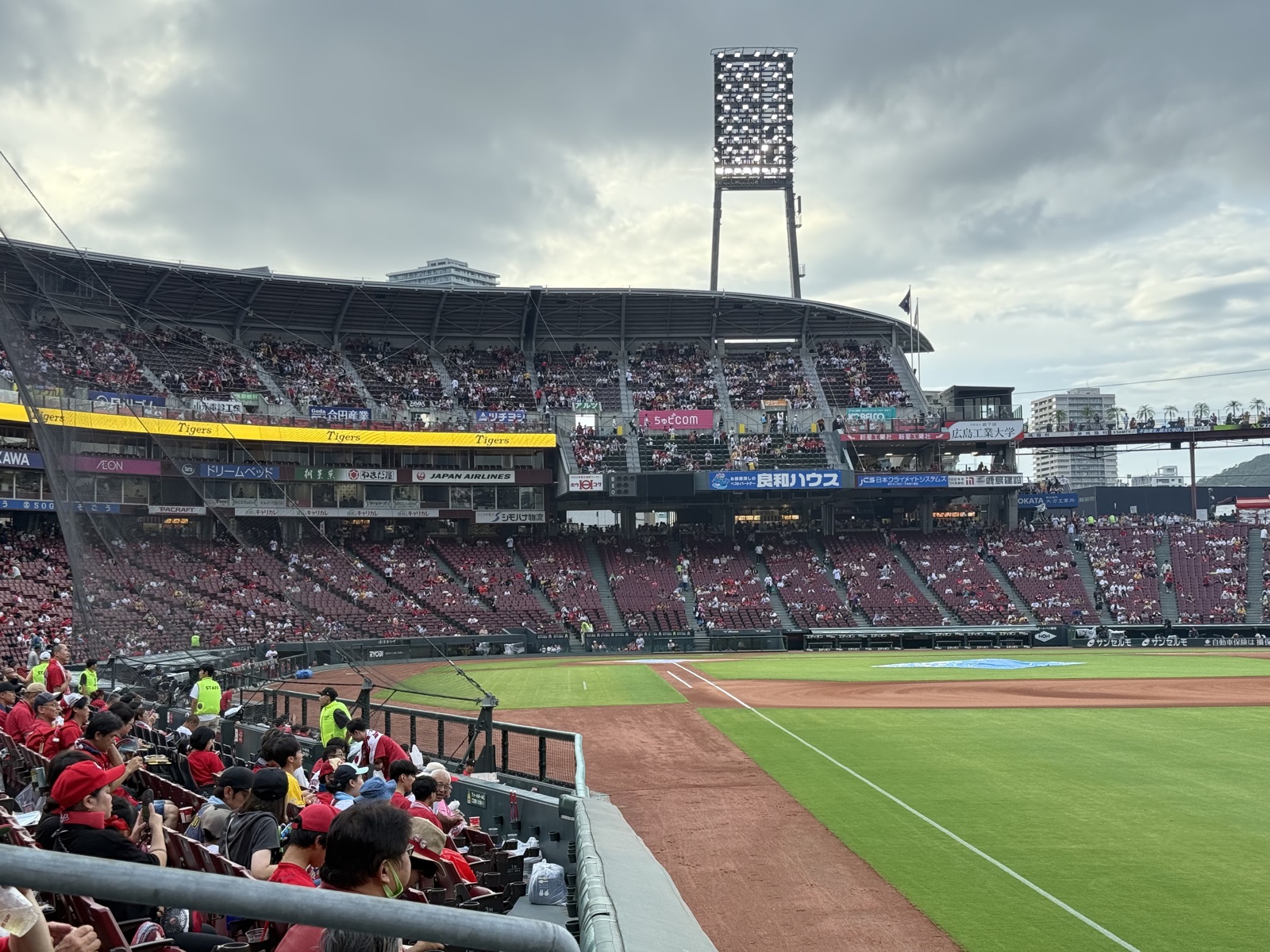
Hiroshima’s Carp baseball team is usually in season, and Mazda Stadium still fills up. I sometimes think the baseball is one of the better illustrations of how Hiroshima actually lives with August 6 rather than disappearing into it. People go to games. People eat ramen at 11 PM after the game. The city doesn’t stop.
The Evenings Are the Best Part
Late July evenings in Hiroshima, once the temperature drops below 30 sometime around 19:00 or so, are genuinely pleasant in a way the daytime isn’t. The riverbanks along the Honkawa and Enkobashi sections of the Ota fill up with people sitting on the steps, particularly on weekends. Not tourists, mostly — or at least not just. Young couples, people after work, older residents who’ve done this every summer for years.
The Heiwa-odori at dusk, especially on the western stretch toward the park, is worth a slow walk. The road is wide enough that there’s breeze even when the surrounding streets are still. If there’s a fireworks event happening nearby — the main Hiroshima fireworks display in early August draws big crowds to the riverbanks — you can sometimes hear it from this area without being caught in the crush.
The Nagarekawa and Yagenbori areas get their full summer character in July: slightly louder, terrace seating where places have it, cold draft beer sold in quantity outside standing-bar style spots near the covered arcades. This is not the quieter, more contemplative evening Hiroshima you get in October. Late July is noisier. Perfectly fine if you know what you’re going in for.
Getting Around in the Heat
The Hiroden streetcar is more useful than it might appear. From Hatchobori to the Peace Park stop (Genbaku-dome-mae) is two or three stops, maybe five minutes — and the cars are air-conditioned. The same applies to the route out to Miyajima-guchi if you’re going to Miyajima, though the ferry crossing in late July is genuinely beautiful. The sea is flat, the light is harsh but dramatic, and the deer on the island are, if anything, more aggressively friendly than usual.
I’d be cautious about Miyajima on a weekend in late July. The ferry queues at Miyajimaguchi station can reach 45 minutes in the peak-summer crush. A weekday morning, arriving at the island before 10:00, cuts that to almost nothing. The ropeway — if you’re considering it — has the same crowd logic: early weekday visits work, weekend afternoons do not.
For the city itself, walking between Hatchobori and Otemachi is manageable in the evening. That stretch, passing through the edge of the covered Hondori arcade and along the Chuden-mae area, takes maybe 12 minutes and has enough shade in parts to be tolerable.
The Lantern Floating on August 6 Evening
If you’re still in Hiroshima on August 6 itself, the toro nagashi — the floating of paper lanterns on the Motoyasu River beside the Atomic Bomb Dome — takes place in the evening. The Peace Ceremony at Peace Memorial Park happens in the morning, starting around [VERIFY: ceremony start time]. The afternoon is often very quiet. The lantern floating draws large crowds to the riverbanks, and the sight of several thousand paper lanterns on the dark water is arresting in a way that photographs don’t capture.
Two practical notes: the riverbanks fill from around 17:00 and there’s very limited space near the official viewing points by the Aioi Bridge and Motoyasu-bashi. Many residents watch from further up the river where it’s less packed. The ceremony itself is free to observe, though some sections near the stage at the park require advance registration through the city. Buying a lantern to float costs [VERIFY: current price per lantern], and the boats are released from designated points along the bank. Go early if this matters to you.
The city is deeply quieter on August 6 than any other day. Restaurants are mostly open but subdued. It’s not a day for loud izakaya or beer gardens. Most locals seem to treat the evening with a kind of low-key attentiveness that’s hard to describe but unmistakable.
What to Eat When It’s This Hot
Hiroshima’s summer food skews cold. Hiyashi chuka (chilled ramen with toppings) appears on nearly every ramen shop menu from July. The city’s mazemen — the dry noodle style that’s become more prominent over the past few years — is actually easier to eat in heat than the soup-heavy alternatives, which is part of why the places serving it stay busy through summer.
Oysters are technically a winter product, but some restaurants keep them on the menu through summer in their grilled or baked form rather than raw. The raw ones disappear from most menus around May. Anago (conger eel) is year-round and particularly associated with Miyajima; if you’re making the trip to the island, the anago meshi rice boxes are worth planning around.
For a straightforward cold lunch, the basement food halls at Sogo or Asse near Hiroshima station have prepared boxes and deli counters that get you fed without sitting in a full restaurant in the heat. Not glamorous, but efficient.
Places I Actually Go in Hiroshima
For evenings in central Hiroshima in July, I tend to end up at VUELTA in Otemachi more often than anywhere else. It’s a small craft cocktail bar, sixteen seats, quiet enough that you can actually talk. The temperature drop inside after a day of heat is immediate and welcome. Walk-ins are fine, though booking through their site is worth it on Friday and Saturday evenings if you want to be sure of a spot.
For food, MORETHAN Hiroshima at THE KNOT hotel near Chuden-mae station is where I go when I want a proper dinner without the effort of booking weeks ahead. It’s a hotel restaurant, which sounds generic, but the charcoal grill and the Hiroshima ingredient sourcing give it enough character. The dinner shift runs until 23:00, which is convenient for late-evening eating after the heat breaks. Breakfasts there during late July, when the morning is still cool, are one of the better ways to start a day before heading to the park.
For noodles, Okkundo in Otemachi does mazemen until 23:00, which matters in summer when dinner keeps getting pushed later because nobody wants to eat at 18:00 in the heat.