How to Pronounce Hiroshima (hee-roh-shee-mah): A Local's Guide
Hiroshima is pronounced hee-roh-shee-mah: four even syllables, no stress. A local explains the rhythm, the kanji meaning, the IPA, and the mistakes to avoid.
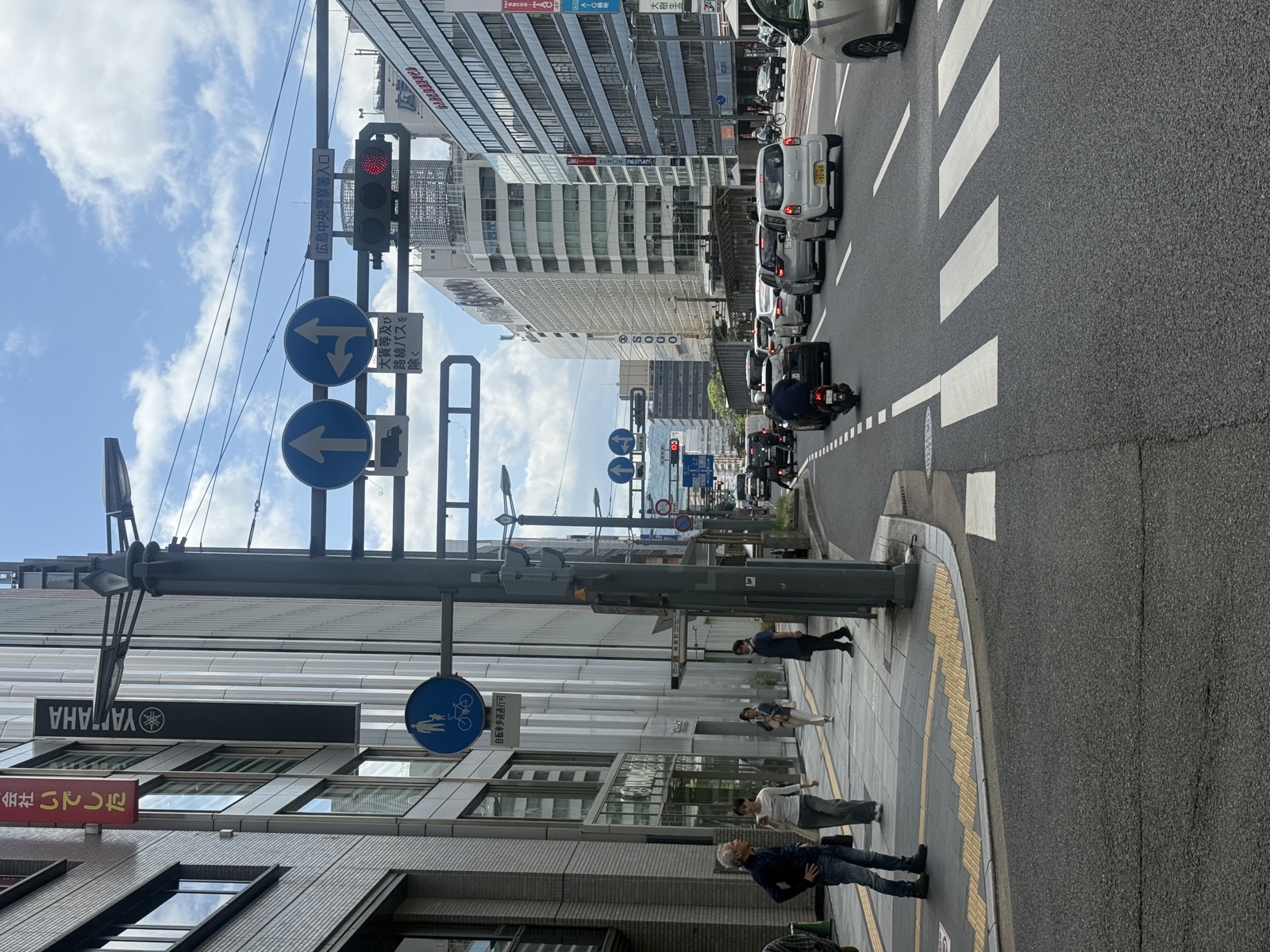
Hiroshima is pronounced hee-roh-shee-mah: four short, even syllables with no stressed beat. Not “hi-ROW-shi-ma,” not “HEER-oh-shima.” Tap four equal beats and say hi-ro-shi-ma at the same speed and weight, and you’re basically there.
Living here, I hear the name said a hundred ways a week. Most visitors get close, and locals will understand you no matter what. But the gap between “HEAR-oh-SHEE-muh” and what people actually say at the station is small and easy to close. Here’s the practical version, for travelers who want to say it right and learners who want to understand why. If you haven’t mapped out the rest of the trip yet, my wider guide to visiting Hiroshima beyond the Peace Park headlines is worth a read before you land.
The Four Syllables
In Japanese, Hiroshima (広島) is four short, even syllables, each held for the same length:
- ひ (hi)
- ろ (ro)
- し (shi)
- ま (ma)
Together they sound roughly like “hee-roh-shee-mah.” The vowels matter, but the rhythm matters more. Each of these units is called a mora, and in Japanese every mora gets about the same duration. There’s no long syllable and no short one. Four beats, even.
Equal Stress, Equal Length
This is the part English speakers miss. English leans on one syllable in almost every word, so we instinctively want to say “hi-RO-shi-ma” or “HI-ro-shi-ma,” landing hard on one beat. Japanese doesn’t work that way. It’s a pitch-accent, mora-timed language: syllables stay even in length, and the word rides on a relatively flat pitch rather than a punched stress. No syllable is louder, longer, or more important than the others.
A trick that works: tap a steady beat, four taps, one syllable per tap. Hi. Ro. Shi. Ma. Same speed, same weight. Once that flat rhythm clicks, half of Japanese place-name pronunciation gets easier: Fukushima, Kagoshima, and the rest follow the same logic.
The IPA, If You Want It
For language learners, the closest broad transcription is roughly [çiɾoɕima]. Three sounds inside it surprise people:
- The h in “hi” isn’t a hard English H. Before “i” it softens to something like the breathy start of “hue”: [çi].
- The r in “ro” is a light tap, closer to the quick d/l flick in the American “ladder” than to an English rolling or hard R: [ɾo].
- The shi sits between “she” and “see.” It’s a touch crisper than the English “sh,” with the tongue a little closer to the teeth: [ɕi].
You don’t need the symbols to say the word. But if you’ve wondered why “Hiroshima” sounds slightly off when you read it phonetically in English, that’s the why.
What “Hiroshima” Means in Japanese
The name is written 広島. The first character, 広 (hiro), means wide or broad; the second, 島 (shima), means island. Read literally, the name is “wide island,” fitting for a city built across the spread-out delta where the Ōta River fans into the sea. If you’ve searched for how to write it: the kanji is 広島, the hiragana is ひろしま, and in katakana you’ll sometimes see ヒロシマ, often used in writing about the atomic bombing and the Genbaku Dome that still stands as its memorial. Road signs and official use show the kanji.
The Most Common Mistakes
The most frequent miss is treating “Hiro” as one chunk, like the English name “Hero,” then tacking “shima” on the end. That produces “HEER-oh-shee-muh,” which sounds noticeably different from what you’ll hear announced on the platform.
The second is stretching the vowels. In Japanese they’re short and pure: the “i” is the “ee” in “feet” but cut short, the “o” is like “boat” without sliding into “oo,” and the “a” is the “a” in “father,” not the flat “a” in “cat.”
The third is the stress habit again: sliding back into “hi-RO-shi-ma.” If you only fix one thing, flatten the rhythm. Even beats matter more than perfect vowels.
Listen More Than You Read
A phonetic guide only gets you so far. The fastest way to lock it in is to hear a native speaker say it a few times. Any Japanese news clip about the city gives you a clean reference, and free place-name pronunciation databases have native recordings. Five minutes of focused listening beats reading any written guide, including this one.
A Note on Hiroshima-ben
The local dialect, Hiroshima-ben, has its own rhythm and intonation, and you’ll hear older locals soften certain endings or reach for different sentence-final particles. But the word “Hiroshima” itself is said the same way as in standard Japanese, so for travelers, the standard version is exactly what you want. My piece on Hiroshima’s culture and traditions covers the local flavor more broadly if you’re curious.
Does It Actually Matter?
Honestly, locals will understand you either way. The city is long used to international visitors, and you can read how that plays out in my note on whether English is widely spoken here. Saying the name closer to the Japanese is a small courtesy people notice, and it pairs naturally with picking up a few survival phrases before your trip. It’s the kind of tiny thing that makes a counter conversation warmer, like ordering at one of Hiroshima’s best sushi counters, which, around here, is most of the point.
Frequently Asked Questions
How do you pronounce Hiroshima? Hiroshima is pronounced hee-roh-shee-mah: four short, even syllables (hi-ro-shi-ma) with no stressed beat. Keep each syllable the same length and weight.
How do Japanese people pronounce Hiroshima? With four equal morae and a flat, even rhythm and no English-style stress on any syllable. It sounds roughly like hee-roh-shee-mah, IPA [çiɾoɕima].
What does Hiroshima mean in Japanese? It’s written 広島: 広 means wide or broad, 島 means island, so the name reads literally as “wide island,” fitting for a city built across a river delta.
Is it hi-RO-shi-ma or HI-ro-shi-ma? Neither. Japanese doesn’t stress one syllable the way English does. Say all four at the same speed and volume rather than emphasizing “RO” or “HI.”
How do you write Hiroshima in Japanese? In kanji it’s 広島, in hiragana ひろしま, and in katakana ヒロシマ. Signs and official use show the kanji.