Food in Hiroshima: A Local's Summer Eating Guide
What to eat in Hiroshima in summer, from cold noodles to grilled anago and standing bars. A local's actual picks for the hot season.
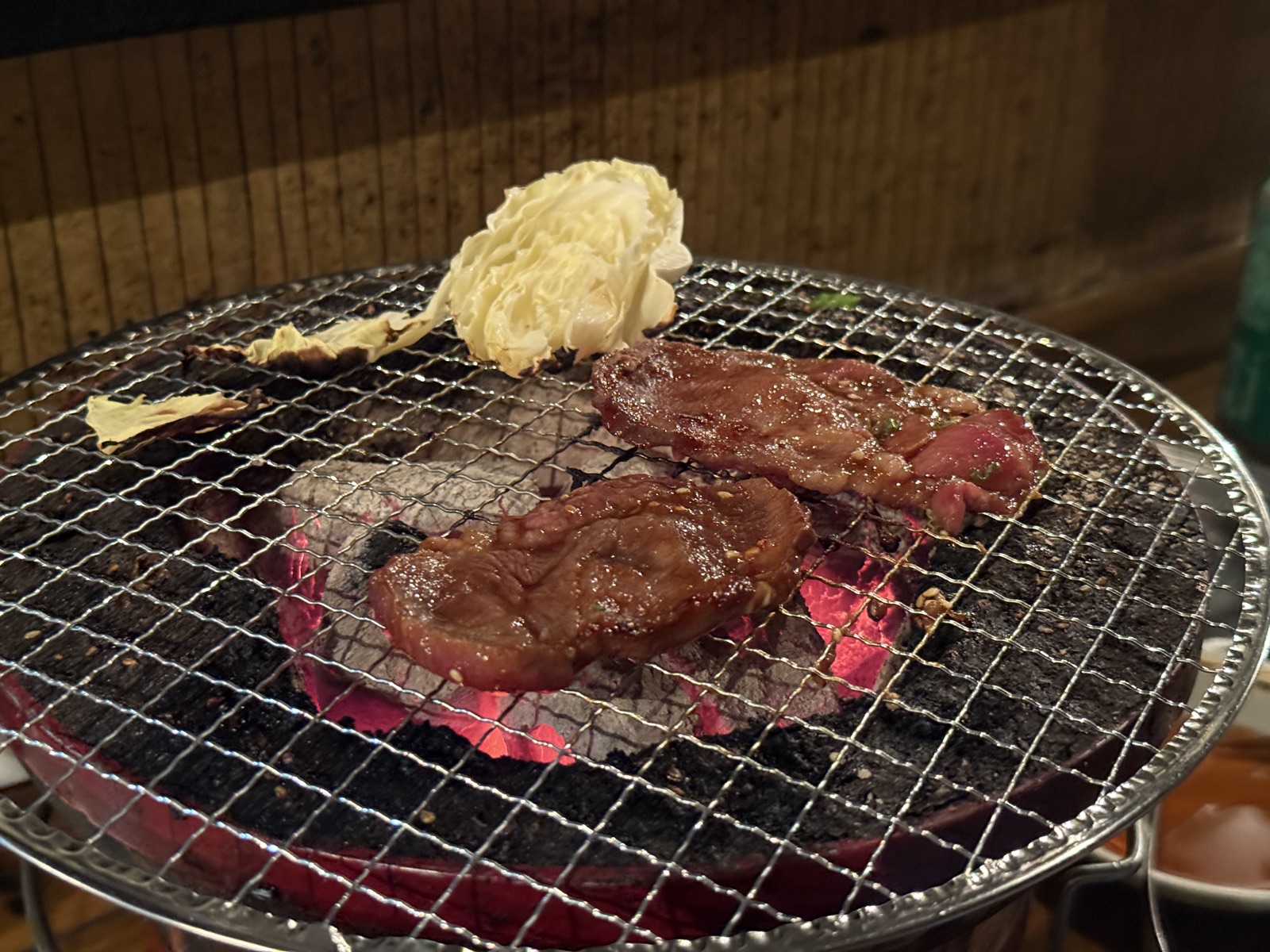
July in Hiroshima means the kind of heat that makes you not want to eat anything heavy, but you still want to eat well. That’s the tension most visitors don’t think about when they’re researching Hiroshima food before they arrive. They read about okonomiyaki, book a table, and then show up on a 35-degree afternoon wanting something cold. I’ve lived here long enough to have navigated this about a dozen times over. The city’s food scene has a proper summer mode — lighter noodles, cold dishes, oysters that are better than people expect in July, and the kind of standing-bar food that makes sense when you’re already a bit sweaty and just want a cold beer and something to eat. This is what I actually order when it’s hot, where I order it, and what’s genuinely worth seeking out versus what you can skip.
Why Hiroshima Food in Summer Hits Differently
Okonomiyaki gets all the attention, and I’m not going to tell you to skip it entirely — but sitting in front of a hot iron griddle in July is its own kind of commitment. Most of the okonomiyaki shops in the central Shintenchi area don’t have the greatest air conditioning, and at peak summer the experience can tip from ‘fun’ to ‘endurance event’ pretty fast. Worth it on a cooler evening. Maybe reconsider for a 1 PM Saturday.
What Hiroshima actually does well in summer is noodles served cold or in light broths, grilled things that are quick to eat, oysters (yes, even in July — more on that later), and a standing-bar culture that’s made for short, focused eating between wherever you’re going next. The city has a relaxed relationship with food that doesn’t require every meal to be a sit-down event, and in summer that’s a relief.
Cold Noodles and the Hiroshima Tsukemen Question
Tsukemen — dipping noodles with a thick, often spicy broth on the side — is probably Hiroshima’s second-most discussed food after okonomiyaki. The local style leans fiery, reddish, with sesame and a heat level that creeps up on you. In winter it’s excellent. In summer, I find the standard version a bit much for lunchtime. The shops are still packed, though. If you want to try it and you’re heat-sensitive, go early (before noon) when the room hasn’t built up temperature yet. If you want the experience without the spice, some spots let you dial it back to a milder base.
What I find myself ordering more in summer is mazemen — the dry, no-broth bowl that Hiroshima has been quietly developing its own version of. The texture is satisfying in a way that feels lighter than tsukemen, and you’re not drinking a hot liquid. Okkundo in Otemachi does this well. Spice level runs from 0 to 7. I’ve been to 4 on a Tuesday once when I was feeling ambitious and regretted nothing. The 2 is a good starting point for most people. You can read more about this style in the Hiroshima mazemen guide.
For cold noodles in a more traditional sense, look for hiyashi chuka — the chilled ramen with toppings in a vinegary soy dressing — on set-lunch menus around Hatchobori and Kamiyacho from around late June through August. It appears seasonally and then disappears, and when it’s good it’s very good. Izakayas and teishoku shops list it as a daily special rather than on the printed menu, so it helps to ask.
Hiroshima Oysters in Summer — The Real Story
Hiroshima produces something like 70% of Japan’s oysters. People know this. What fewer people know is that July oysters are different from November oysters, and whether that’s better or worse depends entirely on what you want.
The famous fat, creamy oysters are a winter thing — October through March is the peak, and the best oysters in the world by that measure are available here from around November onward. Summer oysters are smaller, less creamy, and more briny. Some people prefer them. I know a few people who specifically prefer the summer version, and I think they’re right that the cleaner, sharper flavor is actually more interesting with cold sake or white wine than the richer winter ones are.
The issue is that not every oyster spot operates year-round. A lot of the dedicated oyster-shack experience (grill-your-own setups, outdoor spots near the bay) closes or scales back in summer. Your best bet for summer oysters in central Hiroshima is izakayas or standing bars that keep them on the menu through the heat — usually raw on ice rather than grilled. You can dig into more context in the Hiroshima summer food guide or the oyster season overview.
Anago Over Unagi: Hiroshima’s Summer Grilled Eel
Unagi (freshwater eel) is the famous midsummer Japanese food — the custom is eating it around Doyo no Ushi no Hi, the traditional midsummer day that usually falls in late July, and restaurants everywhere push it. Hiroshima has unagi, but it has something more interesting: anago, conger eel from the Seto Inland Sea.
Anago is lighter, less fatty, and honestly more appropriate for July eating than the rich unagi. Miyajima is the famous anago spot, and the anago meshi (rice in a lacquered box) sold near the ferry terminal is worth the day trip if you’re doing Miyajima anyway. But you don’t have to go to Miyajima. Central Hiroshima has a few spots doing anago rice bowls and anago tempura, particularly around the Otemachi and Motomachi areas. The anago guide covers the central Hiroshima options in more detail.
Where to Eat Lunch in the Heat
The practical answer for summer lunch is: inside, with good air conditioning, something cold or at least not requiring a grill in front of your face.
Udon works well for this. There’s a small family-run spot in Otemachi called Udon-tei Sakae — two minutes from Chuden-mae station — that I keep coming back to for weekday lunches. Around ¥1,000, unpretentious, genuinely good karaage alongside simple noodles. One caveat: it’s weekday lunch only, closed Saturdays, Sundays, and holidays. If you’re visiting on a weekend, it won’t be an option, so plan around that.
For something more flexible, MORETHAN Hiroshima in Otemachi runs lunch through the full afternoon into a cafe shift until 5 PM. Hotel restaurant on the ground floor of THE KNOT, which sounds more formal than it is — no dress code, comfortable, seasonal Hiroshima ingredients with a charcoal grill, and the room is well air-conditioned. I go there on hot days when I want a proper sit-down without committing to a place that might be packed or have a queue.
The broader lunch picture for Hiroshima is covered in the where to eat lunch guide, which has more options by neighborhood if you’re not in the Otemachi area.
Standing Bars and Quick Bites After Dark
Summer evenings in Hiroshima have a different energy than the rest of the year. People spill out of office buildings around 6 PM and immediately want something cold. The standing bar scene around Fukuro-cho and Hondori picks up early, and by 7 PM it’s lively in the places that have outdoor ledge space or open windows.
Lemon Stand Hiroshima in Fukuro-cho operates as a curry shop at lunch (single-menu Hiroshima Curry Plate) and a standing bar in the evening. The lemon sours are sharp and properly made, they usually have raw oysters, and the yellow exterior is impossible to miss. It’s the kind of stop that makes sense when you want to eat something without sitting down for an hour. You’re in, you have a sour and some oysters, you’re out. That’s enough sometimes.
The city’s izakaya culture more broadly is worth understanding before you go in without expectations. A lot of the classic spots around Nagarekawa are geared toward the local salaryman crowd and operate on a two-hour table-turn model. That’s fine if you know what you’re getting. If you want more flexibility, head slightly away from the neon-heavy Nagarekawa strip toward Yagenbori or Ebisucho, where the places tend to be smaller, less crowded, and more willing to let you linger.
A Note on Okonomiyaki in Summer (Honest Take)
I said earlier I wasn’t going to tell you to skip it. I’m not going to. But I will say: I’ve had better okonomiyaki experiences in October than in July, and the difference isn’t the food, it’s the room temperature. My actual advice is to go for a late dinner rather than lunch. By 8 PM the evening has cooled slightly and the shops feel less like saunas. The Okonomimura building in Shintenchi has maybe 25 stalls across several floors, and if you want to go there, go early in the evening rather than at peak lunch hour. The second-floor counter Tetsu is the one I’d point you to inside the building — they open at 11 AM and close when they sell out, so the late-dinner option requires checking what’s still going. The okonomiyaki neighborhood guide has more detail on the Shintenchi vs. standalone-shop debate.
Where to End the Night
After eating, Hiroshima has enough going on that you don’t need to call it a night at 9 PM. The area around Otemachi and Hatchobori has a few places worth knowing about.
VUELTA is a small craft cocktail bar in Otemachi I drop into often. Sixteen seats, quiet, serious about the ice and dilution in a way that makes a cold drink actually feel cold in July. Walk-ins are generally fine, though weekends are worth booking through their site to be sure of a seat.
If you’re more in a Hatchobori or Horikawacho direction, Bar Alegre is a third-floor speakeasy-style spot with a history that most Hiroshima visitors never find. Owner Shū Kojima has over 25 years of hotel-bar experience, and the classics are done properly. The Bar Alegre page has hours — they open at 7 PM on weekdays, a bit later on some evenings. Not a place to walk into expecting it to be casual, but in the right mood it’s worth the change in register from wherever you spent the day.
For something earlier in the evening, Bar Upstairs near Yagenbori-dori opens from the afternoon, which makes it unusual for Hiroshima. Good for a drink before dinner rather than after.