Bar Hiroshima: Where Locals Actually Drink
Looking for a bar in Hiroshima that isn't a tourist trap? A local walks you through the neighborhoods, the vibe, and where to end up.
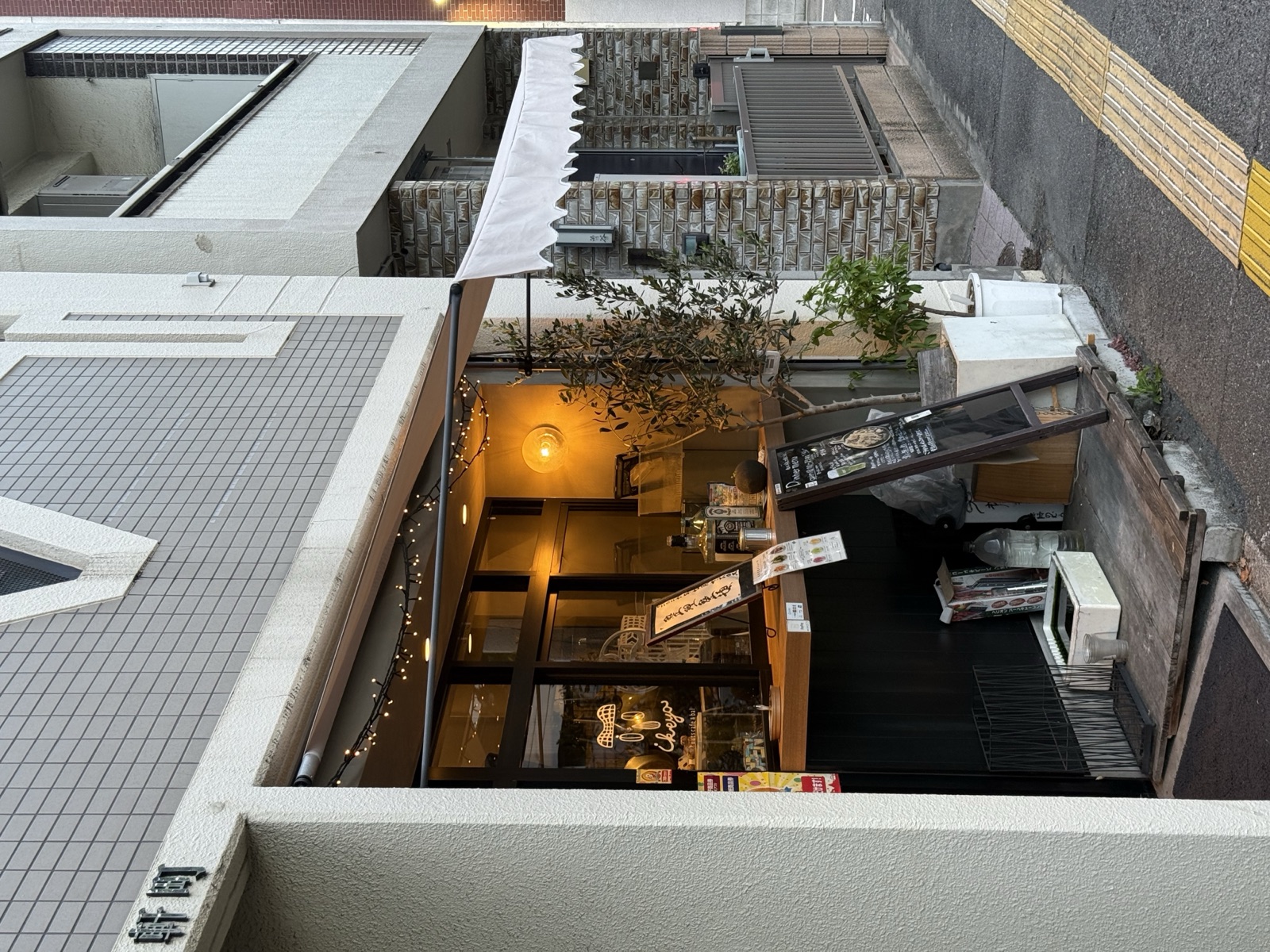
Hiroshima’s bar scene doesn’t announce itself. There are no giant neon signs pointing you toward the fun, no single famous strip that every guidebook sends you to. What there is instead is a cluster of small floors stacked in unremarkable buildings between Nagarekawa and Kamiyacho, each one doing its own thing — whisky bars, cocktail counters, wine spots, places where the owner has been doing this for twenty-five years and isn’t particularly interested in your Google reviews. I work in hospitality in this city, so I’ve spent more evenings in these rooms than I can count. The rhythm is different from Tokyo or Osaka. It’s slower, quieter, and easier to actually talk to people. If you’re searching for a bar in Hiroshima and wondering whether the scene is worth your night, the honest answer is yes — but you need to know which floor to climb.
The Layout of Hiroshima Nightlife
Most of Hiroshima’s drinking happens in a rough triangle bounded by Nagarekawa to the east, Hatchobori to the west, and Hondori shopping arcade cutting across the middle. This isn’t a compact bar district in the way Shinjuku Golden Gai is — the streets are wider, the buildings are lower, and places are scattered across second, third, and fourth floors rather than lining a single lane you can walk end-to-end.
Nagarekawa is the loudest part. Lots of karaoke boxes, standing yakiniku, izakayas that don’t close until 4am. If that’s what you’re after, it delivers. But if you want an actual drink in an actual bar, you’re better off heading slightly west toward Hatchobori and the smaller streets around Yagenbori. That’s where the bartenders tend to be.
The Otemachi area, a bit southwest, is quieter again — closer to Peace Park, further from the noise. It has its own small cluster of places worth knowing, which I’ll get to.
Hatchobori and the Bars That Have Been There Forever
Bar Alegre is on the third floor of a building in Horikawacho, maybe a four-minute walk from Hatchobori station’s east exit. The entrance door is low — deliberately so, in the tradition of a Japanese tea room — and when you step inside it shifts into something that feels more like a 1920s American bar than anything you’d expect to find in western Japan. Owner Shū Kojima has over 25 years of hotel-bar experience and it shows in the way the cocktails are made. You don’t feel rushed. The whisky selection is serious. If you end up sitting at the counter and getting into a conversation with him, that’s a good evening.
It’s open until 2am most nights, later than a lot of comparable places in the city. I’ve gone on a Tuesday once and been the only customer for the first hour. That’s not a bad thing — some of the best conversations I’ve had in Hiroshima have happened in half-empty cocktail bars on weeknights.
Yagenbori and the Afternoon Option
Bar Upstairs on Yagenbori-dori is unusual because it opens in the afternoon. Most cocktail bars in Hiroshima don’t unlock until 7 or 8pm, so if you’ve done Peace Park early and find yourself at 3pm with nowhere to be and a desire for something with ice in it, this solves your problem.
The owner Sho Tsunoda spent over a decade at Hotel Granvia Hiroshima before going independent. The room is on the fifth floor. In the afternoon you can get a coffee or a Napolitan and by evening it shifts into proper cocktail mode. It’s a gentle transition. Good for jet-lagged visitors who can’t stay awake past 10pm but still want to sit somewhere nice.
Wine, If Spirits Aren’t Your Thing
Metcha Monte sits in Ginzancho, roughly between the Nagarekawa strip and the Yagenbori end of things. It’s wine-focused, which makes it a bit of an outlier in a city where most of the serious bars are spirit-and-cocktail operations. Closed on Sundays, which catches people out. If you’re traveling with someone who doesn’t drink spirits but will happily go through a bottle of something interesting while you eat, this is probably the right call. The food pairing program is taken seriously.
Otemachi After Dark
Otemachi gets overlooked in nightlife conversations because it’s most famous for MORETHAN Hiroshima (a hotel restaurant I eat at often, good for both long lunches and relaxed dinners) and the streetcar stop outside it. But there are bars in this neighborhood that deserve more attention than they get.
VUELTA is a small craft cocktail bar I go to regularly. Sixteen seats, which is about right — small enough to feel intentional, not so tiny that you’re sitting on top of strangers. The focus on ice and dilution is something you notice immediately if you’ve been to serious cocktail bars in Tokyo or London; they care about the same things. Walk-ins are fine on weeknights, but book through their site if you’re coming on a Friday or Saturday.
What I like about the Otemachi end of the night is that you can eat first and walk to a bar without dealing with Nagarekawa’s noise. The combination of a dinner at MORETHAN and drinks somewhere after is one of my standard evenings when I’m not working.
A Few Things Worth Knowing Before You Go
Prices vary but figure around ¥1,200–1,800 per cocktail at the places I’ve mentioned, give or take depending on what you order. Some bars have a seating charge (usually ¥500–800 per person) that covers a small snack — worth confirming when you sit down if it matters to your budget.
English is workable at VUELTA and Bar Alegre. At Bar Upstairs it’s partial but the owner manages. Metcha Monte is more Japanese-only; Google Translate handles the wine list fine.
None of these places are loud. That’s the thing about Hiroshima bar culture — even the later-night spots have a contained energy. You don’t need to shout across the counter. If you’re coming from a big city and expecting the same kind of volume, you might find it surprisingly calm. That’s not a warning; I’d call it a feature.
For more context on the city’s drinking landscape, the piece I wrote on Nagarekawa nightlife covers the louder end of things, and my Hiroshima sake guide is worth reading if you want to understand local breweries before you start ordering.
My Hiroshima Regulars
If you’re starting the evening in Hatchobori and want somewhere with genuine atmosphere and a bartender who actually knows what he’s doing, Bar Alegre is where I’d point you first. The low door, the quiet room, the unhurried pacing — it’s the kind of place you go in meaning to have one drink and leave ninety minutes later having had three.
For a quieter finish to the night somewhere you can actually sit with a well-made cocktail and not feel like you’re on a schedule, I keep coming back to VUELTA in Otemachi. It’s a short walk from most of central Hiroshima and the caliber of the drinks is higher than the room’s unassuming size might suggest.
And if you need somewhere that works before dinner or in the mid-afternoon when nothing else is open, Bar Upstairs on Yagenbori-dori is the one Hiroshima answer to that problem I’ve found.
FAQ
Is the bar scene in Hiroshima good? Yes, genuinely. It’s not as large or as famous as Osaka or Tokyo but there are maybe a dozen serious bars in the city doing work that would hold up anywhere. The scale is smaller, the atmosphere is calmer, and it’s easier to get a seat and have an actual conversation.
Where is the nightlife in Hiroshima? Mostly concentrated between Nagarekawa and Hatchobori, with the Yagenbori-dori strip in between. Quieter options exist in Otemachi, slightly west of center.
What time do bars close in Hiroshima? Depends on the place. Izakayas and karaoke in Nagarekawa can go until 4 or 5am. Cocktail bars typically close between midnight and 2am, with Bar Alegre open until 2am on most nights.
Do Hiroshima bars speak English? Some do, some don’t. The places I mention — VUELTA and Bar Alegre — can manage in English. Others are more comfortable in Japanese but not hostile to visitors who don’t speak it. A translation app covers most ordering situations.
Are bars in Hiroshima expensive? Moderate by Japanese standards. Cocktails at the serious spots run ¥1,200–1,800 each, sometimes with a small seating charge on top. Izakayas and standing bars are cheaper, closer to ¥500–800 per drink.