Onomichi Day Trip from Hiroshima: A Local's Guide
Onomichi is 65–75 minutes from Hiroshima by rapid train, with hillside temples, back-fat ramen, and cats. Here's how a local actually does the day trip.
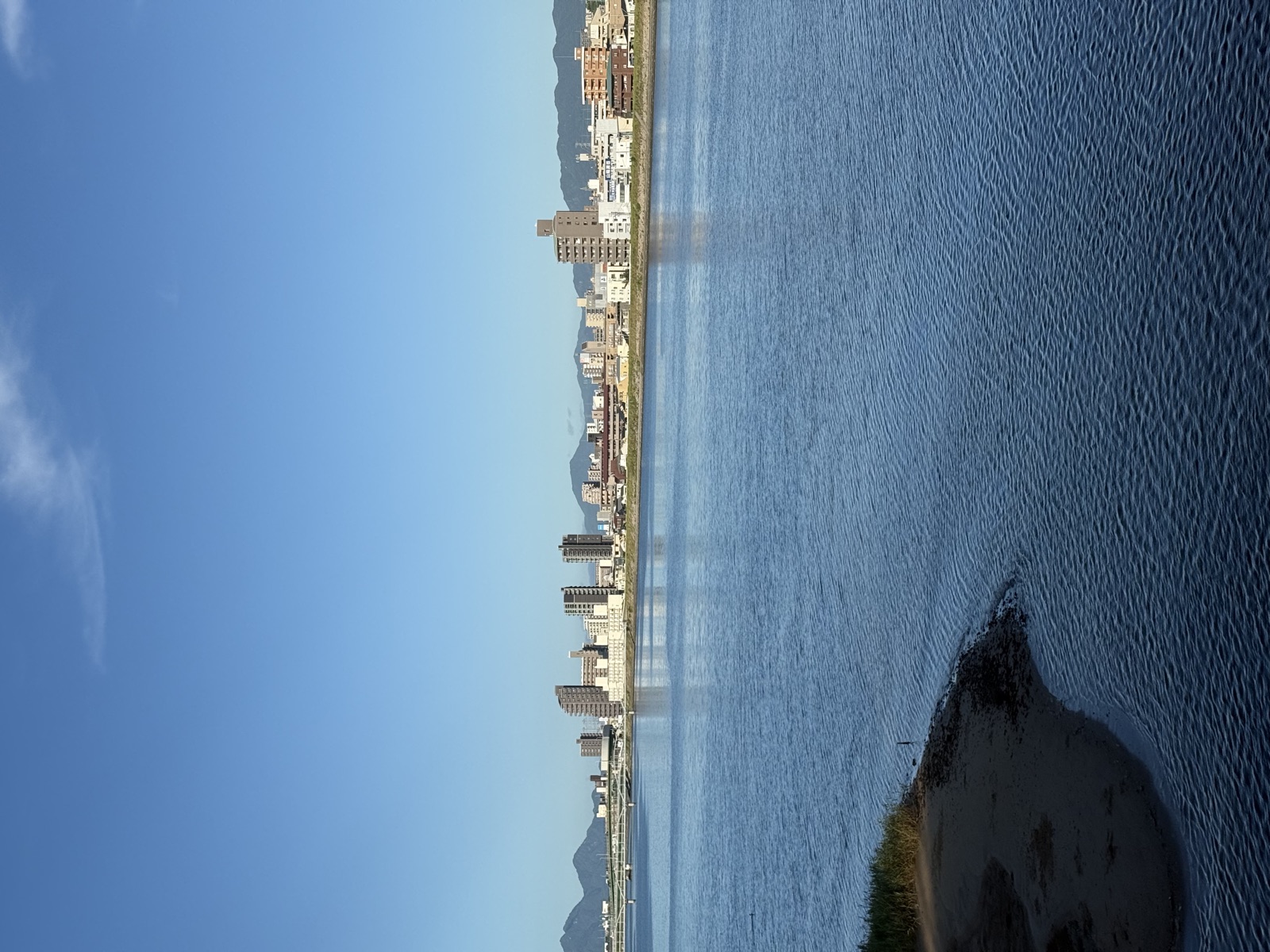
The train to Onomichi takes just over an hour from Hiroshima, and it’s one of the easiest and most rewarding day trips you can make from the city. Not because it’s famous (it is), not because it’s convenient (it is), but because Onomichi feels genuinely different from Hiroshima. The whole town climbs a hillside above a narrow strait, and getting around means ascending stone steps between temples, moving through alleys that cats have claimed, and pausing at viewpoints that look out at the slow procession of cargo ships on the Seto Inland Sea. I’ve been a handful of times now, at different seasons and in different company. The first time I went alone on a weekday in early spring and was surprised by how few other people were around. The second time a friend and I went on a grey November afternoon and ate ramen in the rain. Both times, paying attention to the town repaid the effort. If you’ve spent a day or two working through my Hiroshima travel guide and want somewhere genuinely different for a full day out, this is the trip I’d suggest.
Onomichi is just over an hour from Hiroshima by rapid train, which means you can leave after a slow morning coffee and still be walking the hillside by noon. I’ve been a few times now at different seasons, and the town holds up. It has a quality that takes a little time to reveal.
If you only have half a day, take the ropeway up to Senkoji Park for the view and come back down through part of the temple walk. Full day? Give yourself time to get slightly lost in the alleys and eat ramen at a pace that suits you. The Hiroshima day trips guide covers five options for getting out of the city; Onomichi is my pick when the weather is cooperating.
Getting There from Hiroshima
The JR San’yo Line runs east from Hiroshima Station toward Onomichi. You want a rapid train (快速) rather than a local service: it gets you there in roughly 65–75 minutes [VERIFY exact schedule], while the local can drag past 90, stopping at every station along the way. Fares run around [VERIFY: approximately ¥1,490 one-way]. The JR Pass covers this route, which is useful to know if you’ve already bought one for other legs of your Japan trip. If you’re not on a pass and paying out of pocket, keep some cash on you too: ticket machines take cards fine, but plenty of the small food stalls you’ll want to duck into around Onomichi don’t. My guide on carrying cash in Hiroshima covers what still needs yen rather than a card before you head out.
The train journey itself is part of the experience in clear weather. Once you’re past the eastern edge of Hiroshima city, the route opens into rice paddies and occasional sea views, with small stations where almost nobody gets off. By the time the train slows for Onomichi, you’re looking straight at the narrow Onomichi Channel and the island of Mukaishima directly across the water.
The station is small and easy. Exit from the main entrance and you’re more or less on the waterfront. The ropeway up to Senkoji Park is a short walk west. The start of the hillside temple walk is up in any direction you’re willing to climb. There’s no complex navigation required; the town is small enough that getting lost is genuinely fine.
For the return trip, trains run well into the evening, but check the JR-West site for exact last departures if you’re planning to push the day late [VERIFY last train from Onomichi toward Hiroshima]. The Hiroshima streetcar guide is useful context for getting around the city once you’re back.
What Kind of Town Onomichi Is
Onoichi is not a big city. That’s worth saying plainly. It’s a small port town of around 130,000 people [VERIFY] that had a significant role in Seto Inland Sea maritime trade for centuries. Today it’s known for a handful of specific things: the hillside temples and alleyways, the cats, Onomichi-style ramen, and as the western gateway to the Shimanami Kaido cycling route.
Japanese cinema people know it as the town where Ozu Yasujiro filmed several movies in the 1950s. Looking at the older residential streets, you can see why: the dense hillside housing, the narrow lanes, the particular light off the water. None of that history is labeled or museumified, which is part of the appeal. The town just looks like that.
What Onomichi is not: a place to party, a town with a lot of the modern international tourist infrastructure you’d find in Hiroshima or Kyoto. It’s quiet. The tempo is slow. If you go expecting a compact, walkable day of genuine interest rather than a checklist of sights, you’ll enjoy it.
The Temple Walk
The hillside above town connects roughly 25 temples via an informal walking route. Foreign visitors usually call it the temple walk, though the various trails and lanes have their own names. Doing the full sequence takes several hours; most people do a portion that feels right and don’t stress about completion.
Some of the temples are genuinely striking: old stonework, dark wooden interiors, the specific quiet that Japanese temple architecture generates. Others are small and almost domestic, wedged between private homes with gardens spilling over their walls into the path. Part of the pleasure is not knowing which type you’re about to encounter around the next bend.
The path is not always clearly marked. My general approach: head uphill from the station side, keep moving in the direction that takes you along the hillside rather than back down, and accept that you’ll occasionally end up in a residential lane that isn’t quite the route. That’s fine. The residential lanes are among the most interesting parts of the town.
A word on footwear: bring trainers or walking shoes. The steps are uneven and some sections get slippery after rain. The elevation gain is modest (around 100 meters at most), but the paving is inconsistent enough that you’ll want grip. Set aside two to three hours for a meaningful portion at a comfortable pace, with enough time to stop when something catches your attention rather than pushing through mechanically.
Senkoji Park and the Ropeway
Near the top of the temple walk is Senkoji Park, which gives you the view Onomichi is photographed for: rooftops cascading down to the channel, Mukaishima across the water, and on clear days the Shimanami Kaido bridges threading between the islands in the middle distance. The photographs are not lying.
The ropeway connects the park to a station near the waterfront and takes about three minutes [VERIFY hours and fare]. It’s worth the ride at least once. If you’ve already climbed through the temple path and your knees would rather not repeat the steps in reverse, taking the ropeway down is a practical choice. If you want the view first and the walking after, ride up and walk down through the alleys.
The park is crowded in cherry blossom season (late March to early April) and peak autumn foliage in November. In June, you’ll share it with a handful of local walkers and not much else.
Cats and the Alleys
Onoichi’s cats predate the current era of cat-island tourism, which means they’ve had time to develop efficient strategies for managing visitor attention. The Neko no Hosomichi (a specific narrow path between the temple walk and the main street) is where a semi-resident colony lives. When I went in early spring I counted maybe a dozen cats in the space of a ten-minute walk. Present. Entirely unbothered.
The cats are real animals with their own agendas. Some will let you approach. Many will regard you with an expression that suggests they’ve formed views about camera-carrying visitors and found them wanting. Don’t try to pick them up. A small treat may get you more interest, but manage expectations.
What stays with me from that stretch isn’t really the cats. It’s the alley itself. Onomichi’s hillside is a grid of lanes built for an era without cars: narrow, damp-walled, old tile roofing, the occasional glimpse into someone’s garden over a low wall. In morning or evening light the atmosphere is genuinely good, and slightly eerie if you’re alone.
Onomichi Ramen
Onoichi has its own distinct ramen style, and trying a bowl is a legitimate reason to make the trip in itself. The defining characteristics are a darker soy-based broth and back fat (背脂, seabura) floating on top, which gives the soup a richness that standard soy ramen doesn’t have. Thin, straight noodles. A satisfying, slightly heavy bowl: the right thing after a couple of hours on the hillside.
The best-known shops near the station can have queues, particularly on weekends during the noon rush. Arriving before noon makes a real difference. On weekdays you have considerably more margin. I’ve eaten two bowls of Onomichi ramen over two visits and liked both, but I haven’t done a systematic survey of the options, so I’ll leave specific recommendations to more dedicated sources. If you want broader context on how Onomichi ramen sits relative to other noodle styles in the region, the Hiroshima ramen guide covers the city’s noodle landscape.
Going in June: The Honest Calculation
June is tsuyu (rainy season) in most of western Honshu. You’re playing a weather lottery. The question isn’t whether to go, but whether to go on a specific day when the forecast is dry, or to simply accept that some rain is likely and plan accordingly.
In light rain, Onomichi is actually good. The alleys are atmospheric when wet. The cats appear under eaves and in windows. The temple walk is quieter than in any other season. The hydrangeas along the hillside path bloom through June, which is an underrated argument for this specific season rather than waiting. A damp-but-not-heavy Onomichi beats a hot, crowded, cloudless Onomichi in August.
In heavy rain, the stone steps become genuine hazards and the view from Senkoji Park disappears into cloud. Check the 24-hour forecast the day before and move your plans if the radar looks bad. Gaps between rain systems in early June can be clear, bright, and crowd-free.
The crowd situation is genuinely in your favor. Cherry blossom and autumn foliage seasons bring significant numbers; June sees a fraction of that. If you want the famous view and the cat alley more to yourself, a rainy-season weekday is probably the best combination of low crowds and acceptable weather you can realistically arrange.
For broader June planning in Hiroshima, the Hiroshima rainy season guide has useful context on navigating the season.
If You Want to Go Further: Shimanami Kaido
Onoichi is the western gateway to the Shimanami Kaido cycling route, which connects Hiroshima Prefecture to Ehime Prefecture across a series of suspension bridges and islands over roughly 70 kilometers. The route has become internationally well-known, and Onomichi has rental options at the waterfront.
You don’t have to commit to the full route. Cycling the first stretch across to Mukaishima island and back gives you a sense of the bridge and sea views without a multi-hour extension. But if you’re considering the full Shimanami as a separate trip, the Shimanami Kaido cycling guide covers the logistics properly.
Practical Info
- Train: JR San’yo Line rapid service from Hiroshima Station, direct to Onomichi
- Journey time: approximately 65–75 minutes by rapid train [VERIFY]
- Fare: approximately ¥1,490 one-way [VERIFY]; JR Pass valid
- Ropeway: short service from near the waterfront up to Senkoji Park [VERIFY hours and round-trip fare]
- Best arrival time: around 10:00–10:30 for a full day; later works for a half-day
- Last train back: well into the evening; check JR-West for exact times [VERIFY]
- ATMs: convenience store ATMs near the station [VERIFY]
My Otemachi Rotation
After a day in Onomichi you’ll typically be back in central Hiroshima by early evening. Onomichi closes early (there isn’t much of a dinner or bar scene to stay for after dark), so returning to the city with an appetite and a plan is the right move. If the Onomichi ramen has you craving more noodles, Hiroshima’s tsukemen scene back in the city is worth a stop.
Frequently Asked Questions
Is Onomichi worth it as a day trip from Hiroshima?
Yes, if you like walking, hillside atmosphere, and a quieter pace than Hiroshima or Miyajima. The rapid train takes roughly 65–75 minutes each way, giving you 5–6 hours in town and back in Hiroshima for dinner without rushing.
How long does the train from Hiroshima to Onomichi take?
A rapid train (快速) on the JR San’yo Line takes roughly 65–75 minutes. Local trains run the same route but stop at every station and take considerably longer. The JR Pass is valid on both.
Can you see cats in Onomichi in June?
Yes. In rainy weather they tend to shelter under eaves and appear in less obvious spots, but the Neko no Hosomichi is still worth walking. Even in June you’ll encounter several. The colony is semi-permanent, not a seasonal attraction.
Is Onomichi crowded?
Cherry blossom season (late March to early April) and autumn foliage (November) are the peak periods. June is significantly quieter, partly because rainy season keeps some visitors away.
Do I need a JR Pass for the Onomichi day trip?
You don’t need one specifically. If you already have a JR Pass for other legs of your Japan trip, the Onomichi route is covered. Without one, the one-way fare is approximately ¥1,490 [VERIFY].