Hiroshima Teppanyaki: A Local's Guide to Iron Plate Dining
Looking for teppanyaki in Hiroshima? A local's honest guide to iron plate dining — what to order, which areas to look in, and what actually makes Hiroshima's version worth seeking out.
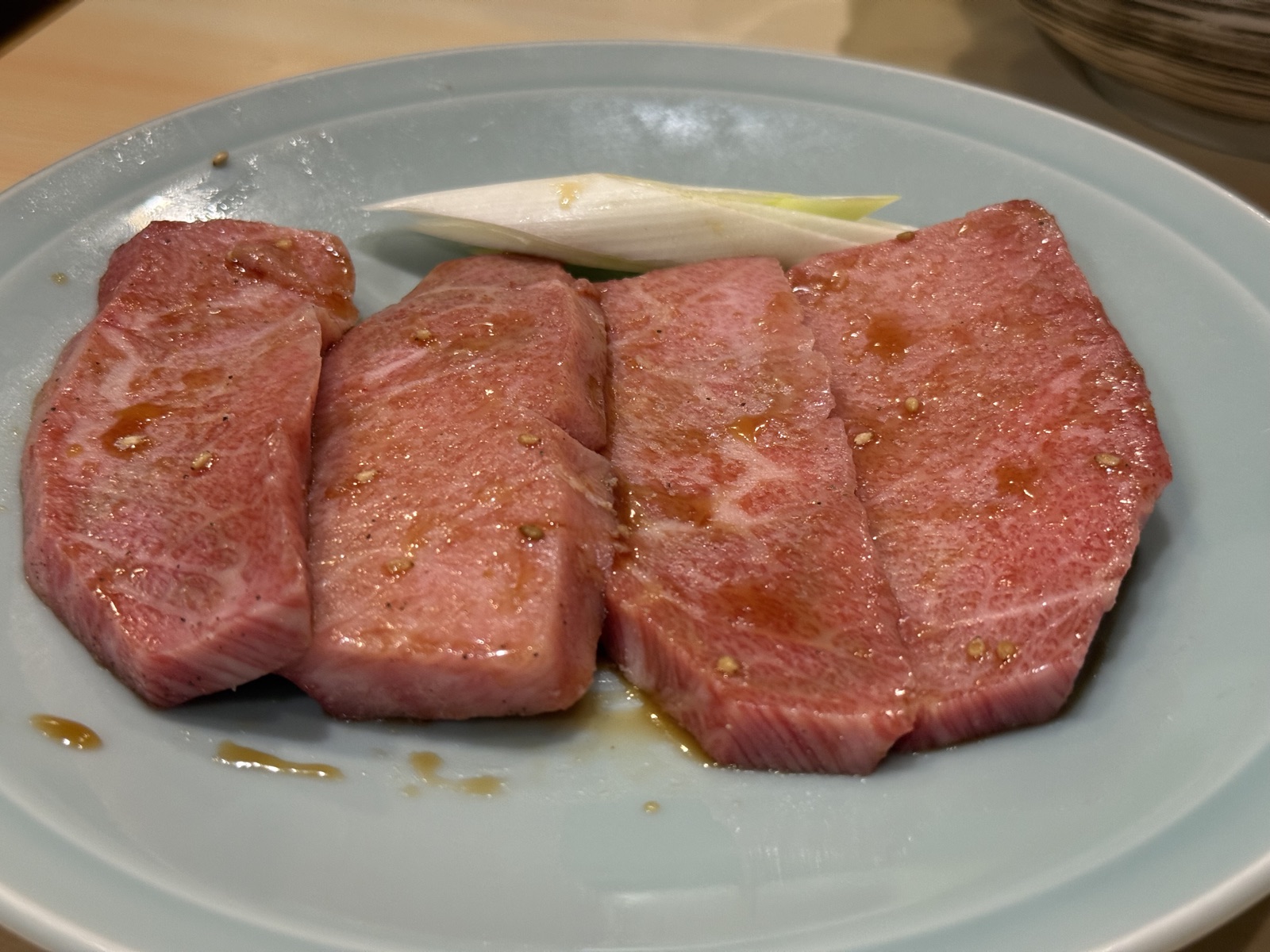
Teppanyaki in Hiroshima sits at a strange crossroads. Most travelers already know it as a cooking style — chef at a hot iron griddle, performance and protein in roughly equal measure — but the way it shows up here is quieter than the tourist-facing versions you might have encountered elsewhere in Japan. Some of the best iron-plate cooking in this city happens without the theatrics, in places that are more izakaya than spectacle. I’ve lived here long enough to stop treating teppanyaki as a special-occasion genre and start treating it as the reliable weeknight option it is. This guide is less about telling you where the famous spots are (those are easy to find) and more about explaining what to actually expect when you sit down at a Hiroshima iron plate, what makes the local version slightly different, and which combinations of dishes tend to be worth the order. There’s a decent spread of options across the city’s central neighborhoods, and the price range is wider than people expect — from casual griddle-counter lunches around ¥1,000 to proper multi-course dinners that run considerably higher.
What Teppanyaki Actually Means in Hiroshima
The word just means “grilled on an iron plate” — teppan being the plate, yaki being the grilling. Which means the category is bigger than most people realize. Your okonomiyaki? Also teppan cooking. The thin-sliced beef you see people eating at casual counters in Nagarekawa? Teppanyaki. The high-end Kobe-beef performance restaurants? Also technically teppanyaki, though a very different animal.
In Hiroshima, the term tends to land in the middle — not okonomiyaki (which has its own cultural weight here), not the Kobe-style theatrical beef show, but something in between. You’ll find places that specialize in seafood from the Seto Inland Sea, places built around Wagyu cuts at a range of price points, and spots that mix both. The common thread is the iron plate itself, which stays in front of you throughout the meal rather than being handled by someone in a kitchen you can’t see.
That visibility matters more than people think. A good teppanyaki chef controls heat zones across a single surface, moves protein and fat without losing temperature, and knows when to leave things alone. Watching it happen is genuinely interesting if you’re curious about cooking, and even if you’re not, the counter format tends to produce a more relaxed meal than a table-service restaurant.
The Hiroshima Teppanyaki Spectrum
Loosely, restaurants here fall into three categories that it’s worth understanding before you book anything.
At the top end you have places focused on premium domestic beef — Hiroshima Prefecture produces its own Wagyu, and a few restaurants in central Hiroshima make this their whole pitch. These run ¥8,000–¥15,000 and up per person and often include set courses. Reservations are expected, sometimes required weeks in advance on weekends. The experience is more formal — smaller portions, deliberate pacing, the chef explaining what cut you’re eating. Worth doing once if you’re serious about beef. Probably not the right choice for a casual Tuesday dinner.
The middle tier is where I spend most of my time. These are restaurant-bars or dedicated teppan counters where the beef is good without being precious about it. You’ll find Hiroshima oysters, local vegetables, garlic fried rice to finish, and a bottle of something cold alongside it. These run somewhere between ¥3,000 and ¥6,000 depending on how much you order. Walk-ins are possible outside of Friday and Saturday, though calling ahead helps. This is the version I’d recommend for most visitors.
Then there’s the casual end — lunch counters and standing-style spots where teppan cooking is just one item on a broader menu. Often the best value, and sometimes the most fun to discover, but harder to point someone toward specifically since the city has dozens of these and they come and go. If you spot a small counter with a hot iron plate visible from the street during lunchtime, it’s usually worth stopping.
Oysters on the Iron Plate
This is the combination that makes Hiroshima teppanyaki worth the category. The prefecture produces more oysters than anywhere else in Japan, and the classic preparation here isn’t raw or steamed — it’s butter-soy on a hot iron plate, briefly, so the edges tighten and the liquid inside concentrates rather than spilling out. A good teppanyaki restaurant does this well. A mediocre one overworks them.
The tell is how they time it. Hiroshima oysters in season (October through March, roughly) are already fatty and briny enough to carry the dish without much help from the butter. A chef who knows this gets them off the plate while they’re still a little glossy inside. If they’re rubbery and shrunken, they stayed on too long.
If you’re visiting outside oyster season, which in July you definitely are, lean toward the seafood that’s actually in season — sea bream and Japanese amberjack are reasonably reliable in summer, and some places bring in cuttlefish and squid from the Seto Inland Sea. Ask what’s good that week rather than defaulting to the printed menu.
Hiroshima Wagyu: What to Know Before You Order
Hiroshima Wagyu exists and is worth knowing about, though it gets less international attention than Kobe, Matsusaka, or Kagoshima beef. The cattle are raised in the mountains in the northern part of the prefecture, and the marbling tends to be slightly less extreme than Kobe — which some people actually prefer, since heavily marbled beef can become cloying in larger quantities.
The cuts you’ll see most often at teppanyaki counters in central Hiroshima are ribeye, sirloin, and occasionally tenderloin. Ribeye is the safe recommendation if you’re eating with others and want something everyone can agree on. Tenderloin is leaner and cooks faster, which a skilled teppan chef handles well. Sirloin has the most flavor variation between cuts — sometimes great, sometimes just fine.
At the premium end, you’ll see grades like A4 and A5 on the menu. These refer to the JMGA grading scale where yield and marbling are evaluated together. A5 is the highest and is priced accordingly. Honestly? A4 is often more enjoyable for a full meal because A5 at any significant quantity becomes very rich. A regular there told me last time I went that the A4 ribeye was their actual recommendation for a two-person dinner — not the A5, despite it being listed as the premium option.
The Garlic Fried Rice Situation
Most teppanyaki counters in Hiroshima close the meal with fried rice, made on the same iron plate using the remaining fat from whatever you just grilled. This is not a side dish. It is the point. The plate picks up every residual flavor — beef fat, soy, garlic, whatever seafood ran before it — and the rice soaks all of it. The good versions have a slight char on the bottom and arrive in an impossibly short amount of time after the chef clears the previous course.
Order it. Don’t fill up on bread or rice beforehand. This is the part that makes the meal feel complete, and skipping it because you’re almost full is a consistent mistake I’ve watched visitors make while I was eating at the counter next to them.
Neighborhoods to Look In
For the mid-range and upscale end, Nagarekawa and Yagenbori are the most concentrated areas. There are teppanyaki counters tucked into both neighborhoods, and the cluster of restaurants here means you can walk and compare before committing. The downside is that these neighborhoods are also where the louder izakayas are, so the context isn’t always obvious from the outside — some of these places are on upper floors and easy to walk past.
Hatchobori and Kamiyacho have a sparser but slightly more upscale cluster — some of the better reservations-required beef restaurants are in this part of the city. If you’re making a special-occasion dinner, this is probably the neighborhood to research.
Otemachi is less specialized for teppanyaki specifically, but it’s close to everything and has a few good options for a relaxed evening meal. For the Otemachi food guide I wrote earlier, this neighborhood is worth spending a full evening in if you’re based near the Peace Memorial side of the city.
For context on Hiroshima’s broader eating geography, the restaurant district guide covers which parts of the city tend toward which styles of dining — useful if you’re still figuring out where to position yourself.
Is It Worth It vs. Okonomiyaki?
I get this question implicitly whenever I recommend teppanyaki to someone who has one evening in Hiroshima and is trying to make a call. The honest answer is that they’re not really competing.
Okonomiyaki is the city’s signature and probably the more distinctly Hiroshima experience — the layered construction, the yakisoba noodles inside, the way every neighborhood has its own version of the canonical thing. If you have one meal, that’s probably the call. The okonomiyaki guide covers the specific counters worth sitting at.
But teppanyaki is the better choice for a longer dinner with drinks. The pacing works better with sake or beer alongside, the format encourages lingering at the counter, and the combination of beef or seafood with garlic fried rice is a complete meal in a way that okonomiyaki, which is more of a one-dish experience, isn’t quite. If you have two evenings in the city, do both.
Practical Information
- Price range (mid-tier): ¥3,000–¥6,000 per person, ordering a few dishes each
- Price range (premium): ¥8,000–¥15,000+ per person for set courses
- Casual lunch counters: ¥800–¥1,500
- Best areas: Nagarekawa, Yagenbori, Hatchobori, Kamiyacho
- Reservation advice: call ahead for weekend evenings at any mid-tier place; essential for premium beef restaurants
- Oyster season: October through March (July visits should lean toward other seafood)
- Counter seating is common; groups of four or more may need to check table availability
A Few Places I’d Send a Friend To
For a proper dinner rather than just drinks, MORETHAN Hiroshima in Otemachi is worth knowing. It’s a hotel restaurant on the ground floor of THE KNOT Hiroshima, open from breakfast through dinner, with a charcoal grill that does Hiroshima ingredients well. It’s the kind of place I go when I want something comfortable and reliably good without needing a special occasion to justify it — the lunch and dinner formats are both relaxed, and you can walk in for most meals without planning far ahead.
If you want cocktails after dinner, VUELTA is a small craft cocktail bar in Otemachi I drop into regularly. Sixteen seats, quiet, no rush. Walk-ins are usually fine during the week; the site has a booking option for weekends if you’d rather have a counter seat secured.
For something more casual — a quick noodle bowl before or after an evening out — Okkundo in Otemachi does mazemen with a spice scale from 0 to 7. Long hours, reasonable prices, and a good option if teppanyaki dinner has wiped out your appetite budget and you just want something satisfying on the way home.