Hiroshima in May: A Local's Late-Spring Travel Guide
Late May is Hiroshima's quiet shoulder season: long days, thinned crowds, peak green. A local's honest guide to weather, food, and trips this month.
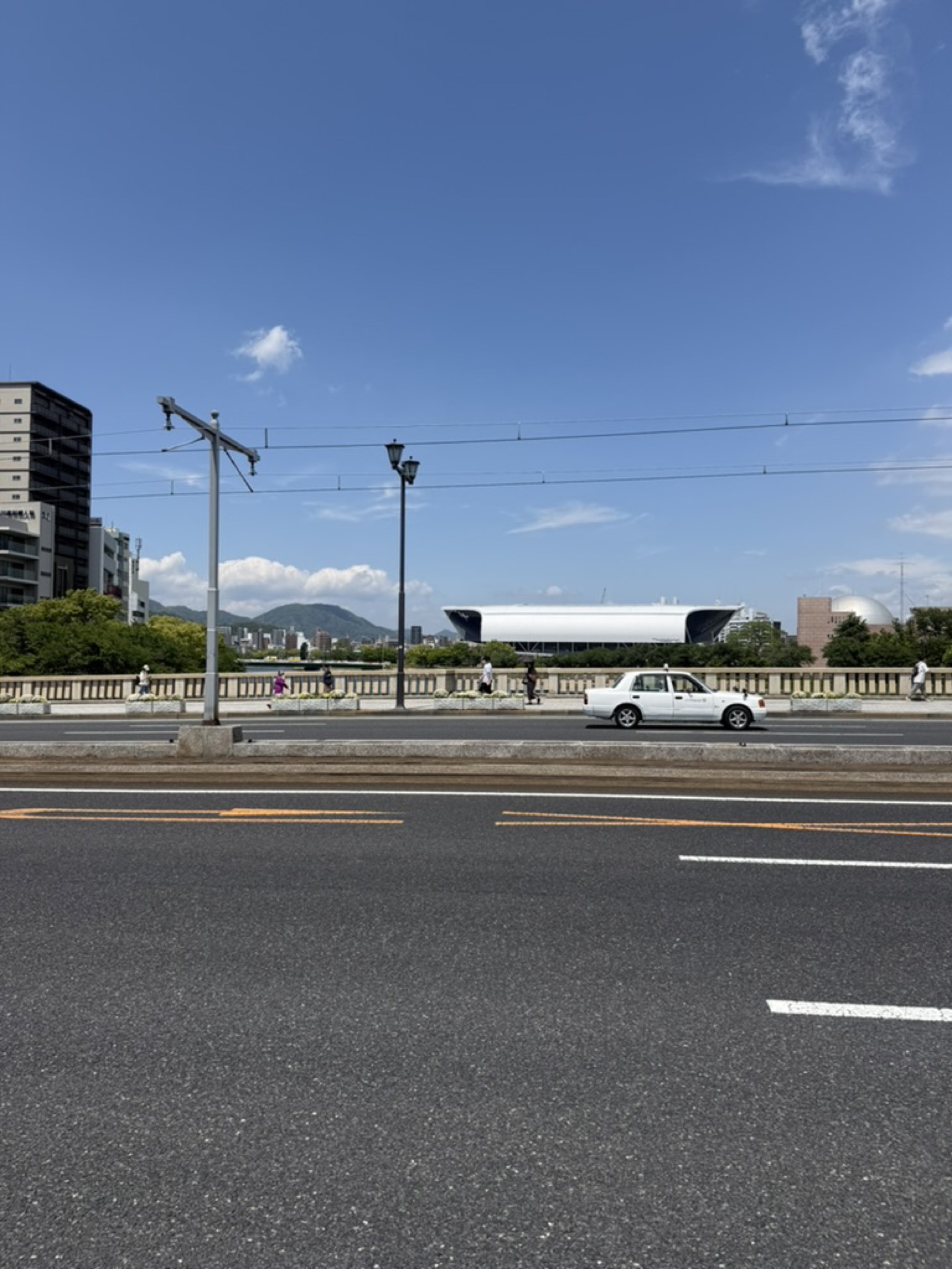
Late May is the most underrated time to be in Hiroshima. Golden Week is over, the foreign-tourist surge has thinned out, and the rainy season hasn’t quite started. You get long daylight, mild temperatures, and the green pushed to its most saturated. I live here and this is the window I tell visiting friends to aim for if they have any flexibility on dates. The first half of May gets all the marketing attention, with cherry blossom afterglow and the holiday rush. The back half, roughly from May 10 onward to the first week of June, is quieter, cheaper, and frankly more pleasant. Days run sunny with the occasional shower as a warning shot for what’s coming. Restaurants take walk-ins again. Miyajima ferries don’t have the queues. If you booked your trip for now and you’re worried you missed the good part, you didn’t.
Why Late May Is Quietly the Best Window
Most travel guides push you toward early April for the cherry blossoms, or November for autumn foliage. They aren’t wrong. But the period from around May 10 through the first week of June gets weirdly overlooked, and it’s probably my favorite stretch of the year to have visitors here.
A few things line up. Hotels reset to non-holiday pricing once Golden Week ends. Miyajima ferry queues drop back to manageable lengths. Restaurants in Nagarekawa stop turning away walk-ins around 7pm. The trees hit their most saturated green right before the humidity flattens everything out.
What you give up: cherry blossoms (long gone), oysters (season ended back in March), and that crisp early-spring air. What you trade for: long days, manageable crowds, warm-but-not-sticky evenings. I’d take this stretch over April for most travelers, especially ones who don’t care about chasing blossom photos.
Weather and What to Pack
Mid-to-late May in Hiroshima typically sits in a comfortable range. Daytime highs usually hover around 22–26°C and nights drop to 14–17°C, though I’ve had years where one week felt like late April and the next like full summer. Humidity is starting to creep up but hasn’t taken over yet.
Practical packing:
- A light jacket or cardigan for evenings
- A small umbrella that lives in your bag (showers happen without much warning)
- Walking shoes; central Hiroshima is flat and rewards walkers
- One layer warmer than you think if you plan a forest day at Mitaki-dera or Sandankyo
Sunglasses are more useful than you’d expect this time of year. The light off the rivers and the bay gets bright in the afternoon, and Hiroshima is a city of bridges, so you’re often crossing open water.
Where to Walk Without the Crowds
Shukkeien Garden is at its peak greenness right now. The pond reflections on a still morning are the kind of thing you take three photos of and then put your phone away. Go on a weekday morning if you can. The place clears out almost entirely between about 9am and 11am once the early tour groups move through.
Mitaki-dera, the temple complex tucked into the hillside northwest of downtown, is quietly the best green-season spot in the city. Moss everywhere, three small waterfalls, weathered Buddhist statues that look like they’ve grown out of the ground. It’s about a 15-minute walk from Mitaki Station on the JR Kabe Line, and even on a warm Saturday I’ve had whole sections of the path to myself.
Miyajima itself shifts character around 4pm. The day-trip ferries thin out, the deer settle, and the light starts doing what it does in late spring — that low golden angle that makes everyone with a camera lose their minds. If you can stay until sunset and catch a later ferry back, you’ll see a different island than the one in the brochures. The Miyajima travel guide covers the practical side in more depth.
For a quick city option, Hijiyama Park has good views and the Museum of Contemporary Art sits up there too. A calm hour out of the heat if a shower rolls through.
Food That’s At Its Best Right Now
Anago, the saltwater conger eel, comes into a strong stretch starting in late May. The classic move is the steamed anago over rice from Miyajima, but you can find good versions in the city too. I’ve written about where to eat anago in Hiroshima separately if you want specific picks.
Setouchi lemon stuff is still floating around in May, hanging on from the spring peak. Lemon sweets, lemon highballs, lemon ramen at one or two places that lean into it. Onomichi is the headquarters for citrus if you’re heading east along the coast.
Honestly, the okonomiyaki at the famous places is fine but I usually steer visitors toward the smaller second-floor counters in the suburbs or off the Hondori arcade. The big-name spots in Okonomimura have a queue out the door year-round; the smaller places give you a conversation with the cook and the same kind of grill.
What you’ll miss: oysters are out of season from roughly April through October, so don’t come specifically for those in May. Frozen and farmed versions exist year-round, but the live raw experience is a winter thing here.
The first rooftop beer gardens also open up in late May, on a few department-store rooftops downtown. The food isn’t the point. The point is being outside with a draft beer at 7pm in a t-shirt, before the humidity arrives.
Day Trips While the Weather Holds
Late May is genuinely the best window for day-tripping out of Hiroshima. The mountain passes are clear of any lingering cold, the coast is warm but not blistering, and you can do a full outdoor day without melting. The full breakdown lives in the Hiroshima day trips guide, but a short version:
Onomichi is the easy one. About 90 minutes by local train, with a temple walk, cat-heavy alleyways, and the ramen. The Shimanami Kaido cycling route starts here too if you want to rent a bike for a few hours.
Tomonoura, the small port town that inspired some of the Ghibli scenery, is a longer haul (train to Fukuyama, then bus) but the harbor is genuinely beautiful and the pace is slow in a good way.
Sandankyo Gorge, north of the city, is a forest hike along a river canyon. In late May the green is at maximum and the water levels are still strong from spring runoff. Bring real shoes; this isn’t a flat boardwalk.
For Miyajima logistics specifically, the how to get to Miyajima from Hiroshima post covers the ferry and tram options.
Festivals and One-Off Things in May
May is lighter on big festivals than August, but a few things happen. Local shrines run smaller seasonal observances throughout the month. Outdoor markets along the Motoyasu River and around Hondori reactivate now that the weather is reliable. Live music starts moving back outdoors.
The big spring event is the Hiroshima Flower Festival, which runs over Golden Week itself (May 3–5), so by late May it’s already wrapped for the year. If you’re here in the first week of May you can catch it; if you arrive after, you’ve missed it. The city tourism site is the most reliable source for what’s actually running on your specific dates, since the smaller events shift year to year.
Where I Drink in Hiroshima
Three places I’d send a friend to after a long walking day in late spring.
Up on the fifth floor in Yagenbori is Bar Upstairs, which opens at 14:00 — unusual for Hiroshima, where most bars don’t unlock the door until evening. It works perfectly for the long-daylight May rhythm. You can wander in around 4pm after a Shukkeien morning, get a cocktail or even a coffee, and watch the street come alive below before dinner. The owner spent over a decade behind the bar at a major hotel in town.
FAQ
When does the rainy season actually start in Hiroshima?
Tsuyu in western Honshu typically begins in early to mid-June and runs into mid-July. Late May is usually still pre-rainy-season, with occasional showers but not the steady wet weather that comes later. It’s one reason I push the late-May window so hard for visitors with flexibility.
Are oysters in season in May?
No. Hiroshima oyster season runs roughly November through March. By April the live raw oyster experience is winding down, and from April to October most oysters served are frozen, farmed, or imported. If oysters are the reason for your trip, plan for winter instead.
Is Miyajima less crowded after Golden Week?
Significantly. Golden Week ferry queues can stretch 30–45 minutes; by mid-May they’re back to a normal short wait, and weekday afternoons are calm. The trick is to stay past 4pm when the day-trip groups head back to the mainland.
What’s the temperature like in late May?
Daytime highs usually run 22–26°C and overnight lows around 14–17°C. Some years one week feels like April and the next like June. A light jacket for evenings and a small umbrella in your bag covers most scenarios.
Is hotel pricing back to normal after Golden Week?
Yes. Hotels reset to standard rates after May 6, and you’ll often see better availability and lower prices for the rest of May than you would in early April or July–August. Booking one or two weeks out usually works fine outside of weekend nights downtown.