Hiroshima Beach Day Trips: Where Locals Swim in Summer
The closest beaches near Hiroshima are on Etajima, an island in Hiroshima Bay reached by ferry from Ujina Port. A local's guide to beating the summer crowds.
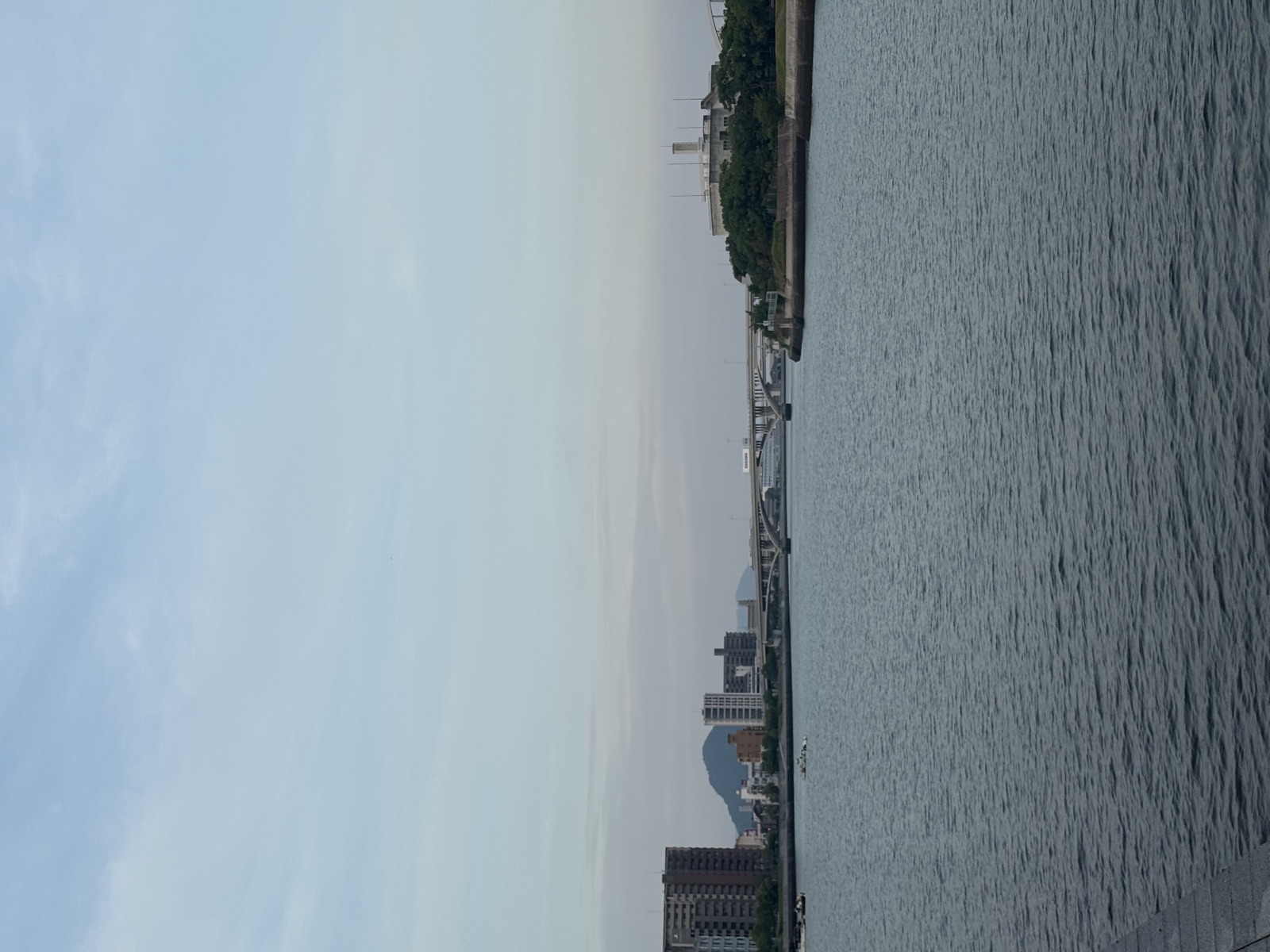
The standard Hiroshima beach advice from travel sites is to head to Miyajima and call it a day. Don’t. Miyajima is sacred ground, the deer are everywhere, and nobody swims there. If a slower trip built around Miyajima and Peace Park sounds more like what you’re after, our guide to spending a few days in Hiroshima as a couple covers that version of the trip properly. The actual beaches around Hiroshima are on the islands scattered across Hiroshima Bay and the Seto Inland Sea, accessible by ferry from the port at Ujina on the city’s south side. Etajima is the one locals actually mention when the subject comes up: a 30-to-40-minute ferry ride southwest of the city, large enough to have its own town, citrus orchards, and a handful of sandy beaches that don’t appear in most tourist materials.
Quick Answer: Can You Swim on Miyajima or Near Hiroshima?
No, not on Miyajima, and not in central Hiroshima either. Miyajima is a shrine island, not a swimming destination, and the city itself has no real beach culture. The nearest place locals actually swim is Etajima, an island in Hiroshima Bay reachable by ferry from Ujina Port in about 30 to 45 minutes. Late June, before the summer crowds arrive, is the best window to go.
June is an interesting time for this. The water isn’t at peak warmth yet, but it’s swimmable by the third week of the month, and the beaches are almost completely empty. No rows of parasols. No vendors. You’ll share the sand with a few families and maybe a couple of older men fishing off the rocks. By mid-July all of that changes. So if you’re here in June and the weather clears, this is exactly when to go.
Why June Makes Sense for a Beach Day
Peak beach season around Hiroshima runs from mid-July through August, and by then the popular spots fill up with day-tripping families from across the prefecture. In June, especially on weekdays after the main tsuyu showers pass, you get a genuinely quiet stretch of Seto Inland Sea coast to yourself. The water temperature in late June typically reaches the low-to-mid 20s Celsius, not tropical, but swimmable once you’re committed. You share the sand with a few fishing families and not much else.
This is the version of Hiroshima’s coast that most visitors never see, partly because the tourist materials don’t emphasize it and partly because you need a ferry to get there. Both of those things work in your favor if you go in June.
Getting to Etajima
Etajima is the island most worth building a plan around for a Hiroshima beach day. It’s accessible by ferry from Hiroshima Port at Ujina, on the city’s south side. The Hiroden tram takes about 30 minutes from central Hiroshima to Ujina; if you haven’t navigated the tram network yet, the Hiroshima streetcar guide covers which line to take and how the fare system works. From Ujina Port, ferries run with reasonable frequency through the day, and the crossing takes roughly [VERIFY: 30–45 min depending on service and destination port].
The island has two main ports: Kōkura on the eastern side and Nishinakanomi on the western coast. Which one you use depends on where you’re headed, so decide on your destination before buying a ticket.
The crossing itself is half the experience. On a clear June morning, the Seto Inland Sea opens up in every direction, small forested islands appearing as you push south, the Hiroshima skyline receding behind you. I usually regret not bringing more to drink on the way over. If seafood interests you more than swimming, Ujina Oyster Wharf sits at the same port you’re leaving from, worth a stop either before you board or after you’re back.
[VERIFY: current ferry operator name, schedule frequency, and round-trip fare from Ujina Port to Etajima]
Which Part of the Island to Go To
The beaches along Etajima’s western and southern coasts tend to be the most accessible for a day trip, and generally the quietest [VERIFY: specific beach names and walking distances from nearest ferry port]. The water is sheltered and calm, and cleaner than proximity to a major port city would suggest. No rental umbrellas or beach chairs waiting. Bring what you need.
One other thing on the island worth an hour: the Japan Maritime Self-Defense Force’s officer training academy has a small museum with Meiji-era naval artifacts and genuinely impressive historic architecture [VERIFY: current opening days, hours, and admission]. An older man I sat next to on the ferry one August described it as the least-visited significant building in Hiroshima Prefecture. That might be slightly overstated, but I believed him.
What Etajima Is and Isn’t
Etajima is not a resort. There’s a quiet town, citrus orchards on the hillsides, and a pace that doesn’t involve anyone trying to sell you anything. No beach strip lined with cafes and bars. There are small local restaurants and a convenience store or two near the landings [VERIFY: facilities and hours], and past that, you’re managing your own food and water. This isn’t a hardship (it’s actually the point), but first-timers sometimes arrive expecting more infrastructure than is there.
The island is part of the wider Setouchi citrus belt. In June you’re between harvest cycles, so the orchards are green and growing rather than fruiting. The landscape is still worth it.
A Brief Note on Rabbit Island
Ōkunoshima, the island south of Takehara with the feral rabbit colony, does have a small sandy beach. It’s about 90 minutes from central Hiroshima by train to Tadanoumi and then a short ferry crossing. I’ve been twice, and neither time was primarily for swimming. The rabbits take over the whole experience (intentionally, that’s why people go), and on weekends the island is genuinely crowded. Worth the trip specifically for the rabbits. Not the right call if swimming is the main goal.
Timing and Weather in Rainy Season
June means tsuyu, which means you can’t plan a beach day a week out. The Japan Meteorological Agency’s hourly precipitation forecasts are far more useful than the weekly overview. Check the evening before, then again in the morning. Tsuyu showers often hold off until afternoon, so a morning departure with an afternoon return is the most reliable pattern.
On the island, the standard read is to watch how fast the clouds are moving. Racing clouds mean maybe 20 minutes before rain starts. Clouds hanging still might mean a couple of hours. The people fishing off the rocks are reading the same sky.
A few things worth having: a fast-drying towel, reef shoes if rocky entries bother you, at least 1.5 liters of water per person, and sunscreen regardless of cloud cover. The reflected glare off the Seto Inland Sea is strong even on overcast days, and the convenience stores aren’t necessarily near the beach.
Getting Back and What to Do With the Evening
If you take a morning ferry and return by early afternoon, you’re back in central Hiroshima by late afternoon. The tram from Ujina takes around 30 minutes to Hatchobori. Time enough for a shower and a change of clothes, and still a full evening in the city.
For how to combine a beach day with other nearby options, the Hiroshima day trips guide covers Sandankyo Gorge, Tomonoura, and others that are different in character. If June weather turns during your stay and you need an indoor pivot, the rainy season June guide has a workable plan. And if Miyajima keeps coming up in your research (it’s a different kind of island, not a swimming destination), the Miyajima travel guide covers it properly.
Where I Go When I’m Not Working
Coming back from Etajima on a late-June afternoon, sun-warm and salt-dried, the craving is usually for something cold and sour. Lemon Stand Hiroshima in Fukuro-cho fits that almost too precisely: a standing bar built around Hiroshima-lemon sours, natural wine, and raw oysters, with a single-menu curry plate running during the day before the evening crowd arrives. The yellow exterior is visible from the street before you know what you’re walking toward.
FAQ
Can you swim near Hiroshima city?
Yes, but you need a ferry. The closest swimming beaches are on Etajima island, roughly 30–45 minutes by ferry from Ujina Port on Hiroshima’s south side. There are no swimming beaches in the city itself, and Miyajima is not set up for swimming.
Can you swim on Miyajima island?
No. Miyajima is a sacred shrine island, not a swimming destination, and there’s no beach culture there. If swimming is the goal, Etajima in Hiroshima Bay is the closer, better option, about 30 to 45 minutes by ferry from Ujina Port.
How do you get from Hiroshima to Etajima island?
Take the Hiroden tram to Ujina Port (around 30 minutes from central Hiroshima), then a ferry to Etajima. The crossing takes approximately 30–45 minutes. Verify current schedules and fares at the port before you go.
Is it worth going to the beach near Hiroshima in June?
Yes, specifically in late June. Beaches that are packed from mid-July through August are nearly empty during rainy season, and the water is swimmable by the third or fourth week of the month. Check the hourly weather forecast and stay flexible about timing.
Is Rabbit Island (Ōkunoshima) a good swimming beach near Hiroshima?
Ōkunoshima has a small beach, but most people go for the feral rabbits rather than swimming. It’s also farther from Hiroshima than Etajima and gets crowded on weekends. If swimming is the priority, Etajima is the better choice.
Can you do Etajima as a half-day trip from Hiroshima?
Easily. A morning ferry, three to four hours on the island, and an afternoon return gets you back in Hiroshima by mid-afternoon, leaving the full evening free.