Hiroshima in August: What to Expect This Month
August in Hiroshima means serious heat, the August 6 Peace Ceremony, and a city that feels different from any other month. A local's honest guide.
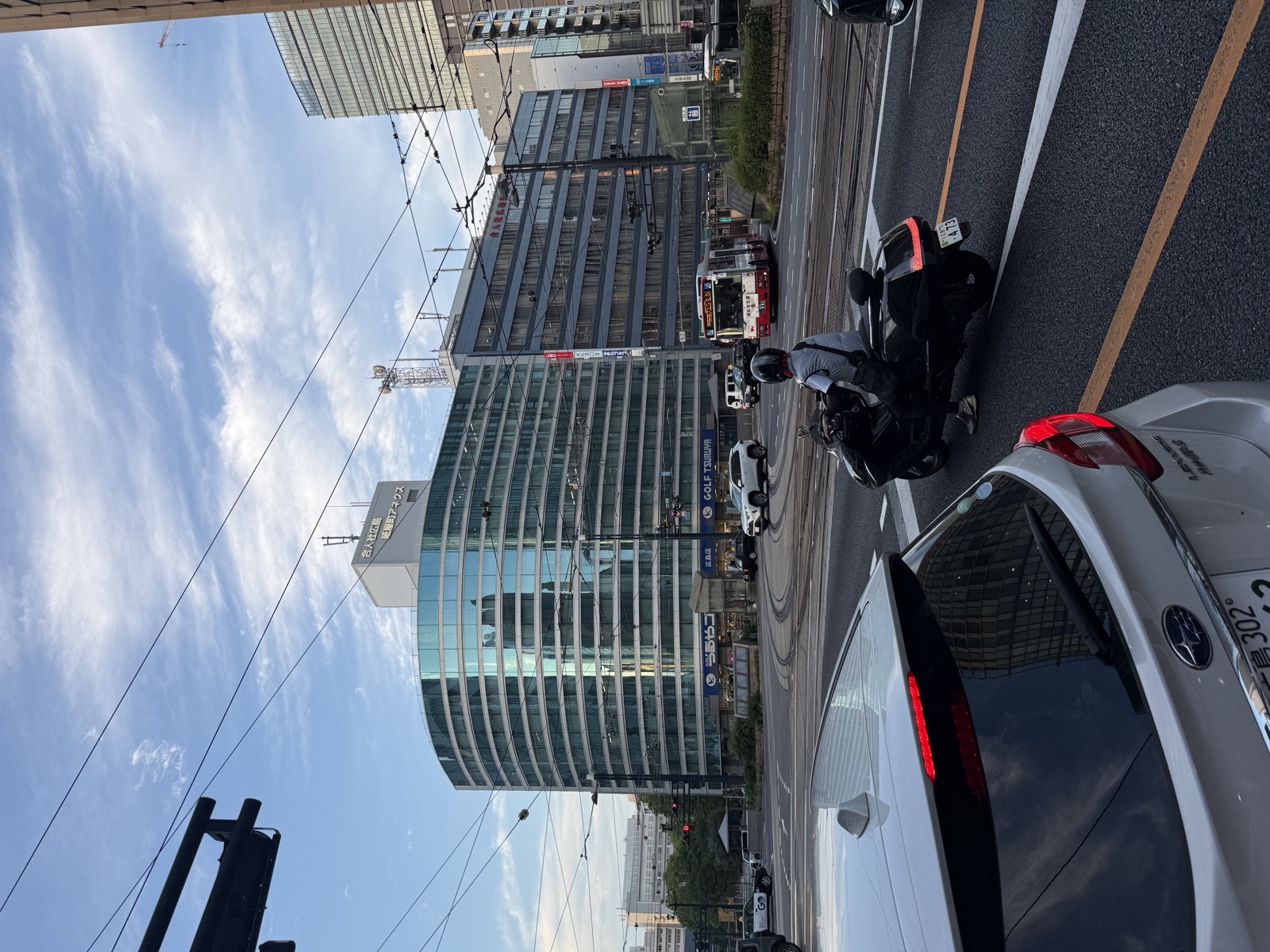
August is the month Hiroshima is most itself. The heat is brutal — mid-30s celsius through most of the month, with humidity that hits you as soon as you step outside — and the city carries a weight that isn’t there in other seasons. August 6 is the anniversary of the atomic bombing, and whether you’re here for it or just happen to be passing through, you’ll feel it. Shops go quiet in the morning. The Peace Park fills in a way it doesn’t at any other time of year. There’s a solemnity that tourists don’t always expect and that residents feel differently each time. That said, August is also fireworks, summer festivals, cold noodles, and cold beer — a full month, not just one day. I’ve lived through several Hiroshima Augusts now, and the city is worth visiting even knowing you’ll sweat through whatever you’re wearing by 10am.
The Heat Is Not a Joke
Let me be direct about this because too many travel articles wave it away with a line about “warm summers.” August in Hiroshima is hot in a way that reshapes how you move through the day. Temperatures regularly hit 35°C and the humidity adds several degrees of felt discomfort on top of that. The delta between air-conditioned interiors and the outside street is so dramatic that you’ll find yourself engineering routes between cool spaces: museum to department store to café to restaurant, minimizing time in direct sun.
The best outdoor time is before 9am. Genuinely. If you want to walk the Peace Park, do it first thing — the light is better anyway, the crowds are smaller, and you won’t feel like you’re being punished. After that, the smarter move is to plan indoor morning activities and save any outdoor exploration for after 5pm when the temperature eases a little. A little. It doesn’t go away.
Stay hydrated in a way that feels almost performative. Convenience stores are your friend: Lawson, 7-Eleven, and FamilyMart are everywhere in the city center, and a cold sports drink or bottle of water every hour isn’t overcaution in August heat, it’s basic self-preservation.
August 6 and the Days Around It
The Peace Memorial Ceremony takes place every August 6 at 8:15am in Peace Memorial Park — that’s the exact moment the bomb was dropped in 1945. The ceremony itself is formal: speeches from the mayor and the prime minister, a moment of silence, the release of doves, and the ringing of the Peace Bell. Attendance is open to the public. Get there early, before 7:30am, if you want to be inside the ceremony area; after that, the perimeter fills and you’re watching from outside the rope.
The days leading up to August 6 have their own atmosphere. The Toro Nagashi — the lantern floating on the Motoyasu River — happens on the evening of August 5, starting around 7pm and continuing well past dark. Thousands of paper lanterns drift downstream past the Genbaku Dome. It’s one of the most quietly affecting things I’ve seen in this city, and I’ve watched it more than once. You don’t need a ticket. Just show up along the riverbank and find a spot.
For visitors who are not here specifically for August 6 but happen to overlap with it, the honest advice is: give the day some space. Don’t schedule it as a day trip to Miyajima. Don’t treat the Peace Museum as a quick checkbox before lunch. The city asks for a different pace on that day, and if you’re open to it, it’s worth letting the day be what it is.
If you need practical context on the ceremony itself, the Hiroshima Peace Ceremony guide covers what to expect in more detail.
After the 6th: The Rest of August
Here’s what changes after August 6: the city exhales. The memorial weight lifts and what’s left is a pretty normal hot Japanese summer — festivals, cold food, evening walks by the river, baseball at Mazda Stadium under lights.
The Hiroshima Fireworks Festival usually happens in mid-to-late August (the exact date varies by year, so verify the current schedule), and it’s one of the bigger summer fireworks events in the region. The best viewing spots along the Ota River fill up hours in advance, and I mean hours — people claim ground with mats by early afternoon. If you’re not that dedicated, you can see parts of the show from elevated positions around the city without the full crowd experience. The view from the upper floors of some Naka-ku buildings isn’t bad.
Summer evenings in Hiroshima are genuinely pleasant once the sun drops. The river breezes along the Enkobashi or Aioi-bashi area do actually cool things down. Walking between Otemachi and Hondori around 8pm, grabbing something cold to drink, watching the city slow down — this is when August earns its keep.
What to Eat When It’s This Hot
Hiroshima’s summer food repertoire handles the heat well. Cold mazemen from Okkundo in Otemachi is the thing I reach for most often — the flat noodles in a soy-based tare, eaten without broth, with a glass of cold water, is close to perfect on a 34-degree afternoon. They’re open until 11pm which is useful when you’ve been moving slowly all day and suddenly realize you haven’t eaten properly.
Hiroshima-style tsukemen, the spicy dipping noodles the city is known for, sounds wrong for summer but actually works — there’s something about the concentrated dipping broth that satisfies in heat where a full bowl of ramen wouldn’t. If you haven’t tried it yet, the tsukemen guide covers the landscape.
Cold beer gardens operate through August — mostly rooftop setups at department stores and hotels, running through the evening. They close with the summer, usually by late August or early September, so if you’re visiting in early August you should go. The food is reliably adequate rather than remarkable, but the combination of cold draft beer and outdoor air in the evening is worth something.
Oysters are technically a winter ingredient in Hiroshima and you won’t find them fresh in August. Don’t order them raw this time of year at any small place without refrigeration you can verify — that’s just sensible.
Practical August Notes
Clothing: linen or technical fabrics only. Cotton goes translucent with sweat by mid-morning. A small towel is worth packing. Most people here carry one.
The Hiroshima streetcar (Hiroden) runs with air conditioning but gets crowded around the Peace Park on August 6. Walking between Hatchobori and Otemachi is around 15 minutes and sometimes faster than waiting for a tram.
For museum visits, arrive when they open. The Peace Memorial Museum sees its highest annual attendance in the days around August 6, and queues can form. Earlier in August (the 1st through the 5th) or later in the month (after the 10th) the crowds thin somewhat.
The city center — Otemachi, Hatchobori, Kamiyacho, Hondori — stays active through August evenings with shops open until 8 or 9pm and restaurants later. More context on the neighborhoods if you’re trying to orient.
Is August Worth Visiting?
Yes, with eyes open. The heat is real and it limits what you can comfortably do during the day. August 6 requires some intentionality — either you engage with it meaningfully or you plan around it, but ignoring it entirely as a visitor feels like a missed thing. The summer festivals and evening life are genuinely good. And there’s something about being in Hiroshima in August specifically, in the city where this happened, in the month it happened, that adds a dimension that other months don’t have.
It’s not the easiest month to visit, but it’s one of the most significant ones.
My Hiroshima Regulars
MORETHAN Hiroshima, on the ground floor of THE KNOT Hiroshima in Otemachi, is where I’ve had more August lunches than I can count. It runs from breakfast through dinner without closing between shifts, which matters in August when you want to stay somewhere cool through the midday heat rather than braving the street to find another place. Seasonal Hiroshima ingredients, charcoal grill, no dress code. The afternoon café window between 2 and 5pm is a good slot to land in.
For an evening drink, VUELTA in Otemachi is a small craft cocktail bar I drop into often — 16 seats, quiet, proper attention to what they’re making. On August evenings when the outdoor heat finally softens around 8 or 9pm and you want somewhere to sit without noise, it’s a reliable option. Walk-ins are fine most nights; weekends it’s worth booking through their site.